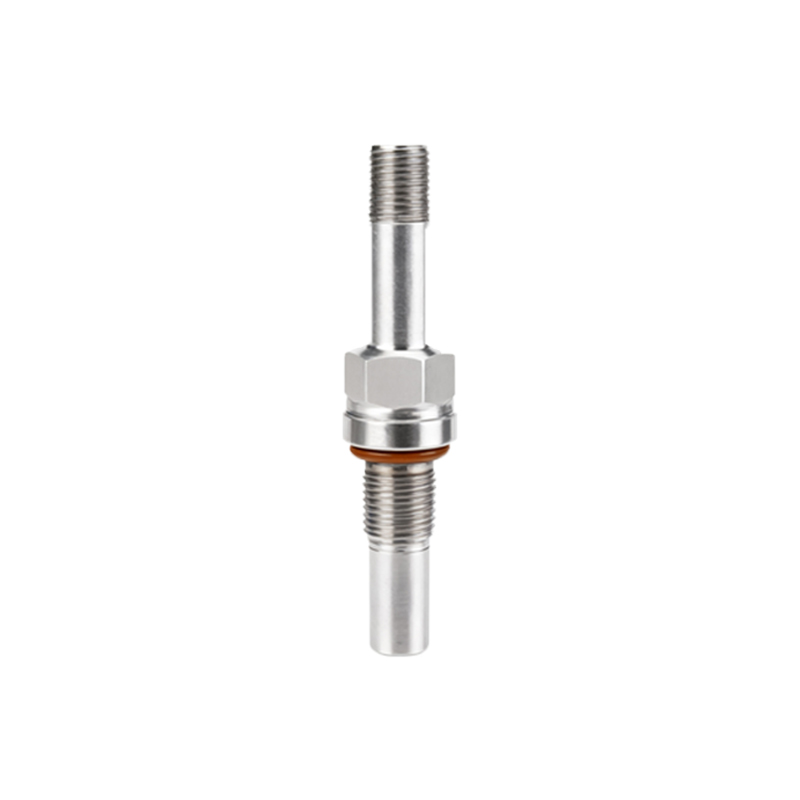
Fine thread proximity sensors represent a specialized category within the industrial sensing landscape, designed for applications where space constraints, precise mounting, and vibration resistance are paramount. Unlike their standard-thread counterparts, these sensors feature threads with a finer pitch—such as M8x1 or M12x1—allowing for more threads per unit length. This design characteristic is not merely a mechanical nuance; it fundamentally enhances sensor performance and reliability in demanding environments.
The primary advantage of fine threading lies in its superior mounting stability. In high-vibration settings, such as those found in packaging machinery, CNC equipment, or automotive assembly lines, standard threads may gradually loosen over time due to cyclical forces. Fine threads, with their increased thread engagement and reduced pitch, provide a larger surface area contact between the sensor body and the mounting fixture. This results in enhanced clamping force and superior resistance to back-off, ensuring the sensor maintains its precise position and alignment. Consistent positioning is critical for accurate sensing, as even minor displacement can lead to false triggers or missed detections, compromising process integrity.
From a sensing technology perspective, fine thread proximity sensors are available in all major types: inductive, capacitive, and ultrasonic. Inductive sensors, detecting metallic objects, are the most common. Their fine-thread variants are often deployed in tight spaces within metalworking machinery or robotic tool changers. Capacitive sensors, capable of detecting non-metallic materials like plastics, liquids, or wood, benefit from fine threading in applications like fill-level control in compact containers or material handling systems. The robust mounting ensures the sensor diaphragm remains precisely oriented toward the target material.
Installation and maintenance considerations are distinct. Technicians must use matching fine-thread locknuts or mounting brackets to avoid cross-threading, which can damage both the sensor and the host machine's tapped hole. A common best practice is to employ a calibrated torque wrench during installation to achieve the specified clamping force without over-stressing the sensor housing. Over-tightening can deform the housing, potentially affecting the sensing field or sealing integrity, especially in IP67 or IP69K rated devices designed for washdown environments.
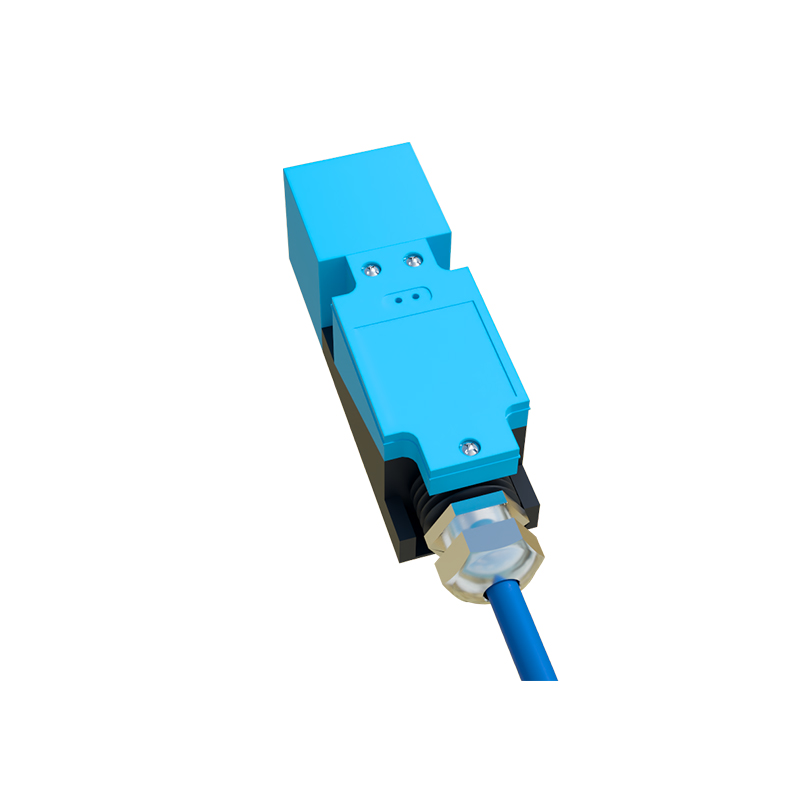
Selection criteria extend beyond thread specification. Engineers must evaluate the sensing range, switching frequency, output type (PNP/NPN/analog/IO-Link), and housing material. Stainless steel housings with fine threads are frequently specified for corrosive environments, such as food and beverage or pharmaceutical production, where sensors undergo frequent cleaning with aggressive chemicals. The fine thread profile, when combined with a proper sealing gasket, often contributes to a more effective seal against fluid ingress compared to coarser threads.
The integration of smart features into fine-thread sensors is a growing trend. Sensors equipped with IO-Link communication provide not only binary detection signals but also diagnostic data, such as operating temperature, signal strength, and remaining lifespan. This facilitates predictive maintenance. In a tightly packed control panel or machine module, the secure mounting afforded by fine threads ensures that the communication connector remains reliably mated, preventing signal dropouts.
In conclusion, the specification of a fine thread proximity sensor is a deliberate engineering decision driven by mechanical and environmental requirements. It addresses critical challenges of space optimization, vibrational stability, and sealing in a way standard threads cannot. As industrial equipment grows more compact and processes more precise, the role of these specialized sensors will only expand, making an understanding of their characteristics essential for system designers and maintenance personnel aiming to maximize uptime and reliability.