In the realm of industrial automation and machinery, proximity sensors stand as silent sentinels, enabling precise, non-contact detection of metallic objects. Among the diverse family of these sensors, the ring-type proximity switch, often referred to as a ring sensor or annular sensor, represents a specialized and highly effective solution for specific applications. This article delves into the operational principles, key characteristics, typical applications, and selection criteria for ring proximity sensors, providing a foundational guide for engineers and technicians.
At its core, a ring-type proximity switch operates on the principle of electromagnetic induction. The sensor is constructed in a donut or ring shape, with a sensing coil wound around its inner circumference. When an alternating current flows through this coil, it generates a high-frequency oscillating electromagnetic field within the central aperture. In the absence of a target object, this oscillation remains stable. However, when a metallic object—typically ferrous (like iron or steel) or non-ferrous (like aluminum, brass, or copper)—passes through the center of the ring, it disturbs the electromagnetic field. This disturbance causes a change in the oscillation amplitude or frequency. The sensor's integrated electronics detect this change and trigger a switching output, which can be a solid-state relay (PNP/NPN) or a relay contact, signaling the presence of the object.
The defining feature of this sensor is its ring-shaped design, which allows objects to pass directly through its center. This configuration offers several distinct advantages. First, it enables the detection of objects without requiring lateral or external mounting relative to the object's path, making it ideal for counting, sorting, or verifying the presence of items on a conveyor line that passes directly through the ring. Second, the sensing range is effectively defined by the inner diameter of the ring, providing a very precise and consistent detection zone. The sensing distance is generally a function of the ring's inner diameter and the target material; larger diameters can accommodate larger objects but may have slightly reduced sensitivity for small targets.
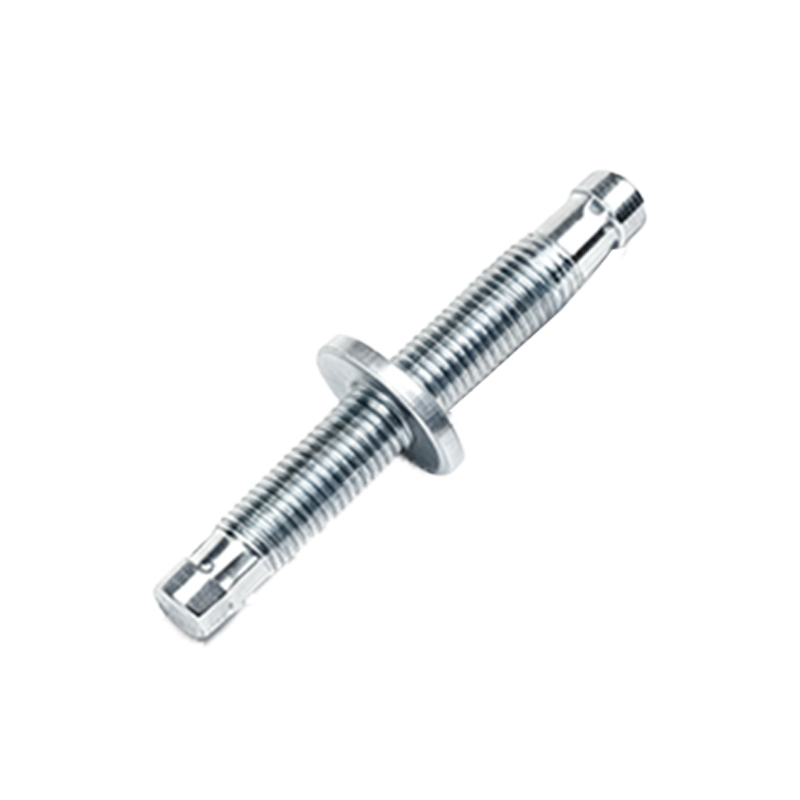
Key specifications for ring proximity sensors include the inner diameter (ID), which must be chosen to be larger than the maximum dimension of the object to be detected. The type of output (e.g., DC 3-wire, NPN sinking, PNP sourcing, or analog) must be compatible with the controller (PLC). The housing material, often made of rugged plastics like PBT or metals like stainless steel, is selected based on the environmental conditions, including exposure to coolants, oils, or washdowns. Operating voltage, current consumption, and switching frequency (response time) are also critical parameters, especially in high-speed applications.
Typical industrial applications for ring-type proximity sensors are numerous. They are extensively used in automated assembly and packaging lines for part verification—ensuring a component like a bolt or a bearing is present before a process proceeds. In the fastener industry, they are indispensable for detecting the presence of nuts, washers, or screws in vibratory bowls or on tracks. Another common use is in wire drawing or cable production, where the sensor can detect breaks or the end of a wire strand passing through the ring. They are also employed in security systems for detecting metallic objects and in various machinery for simple on/off control based on object passage.
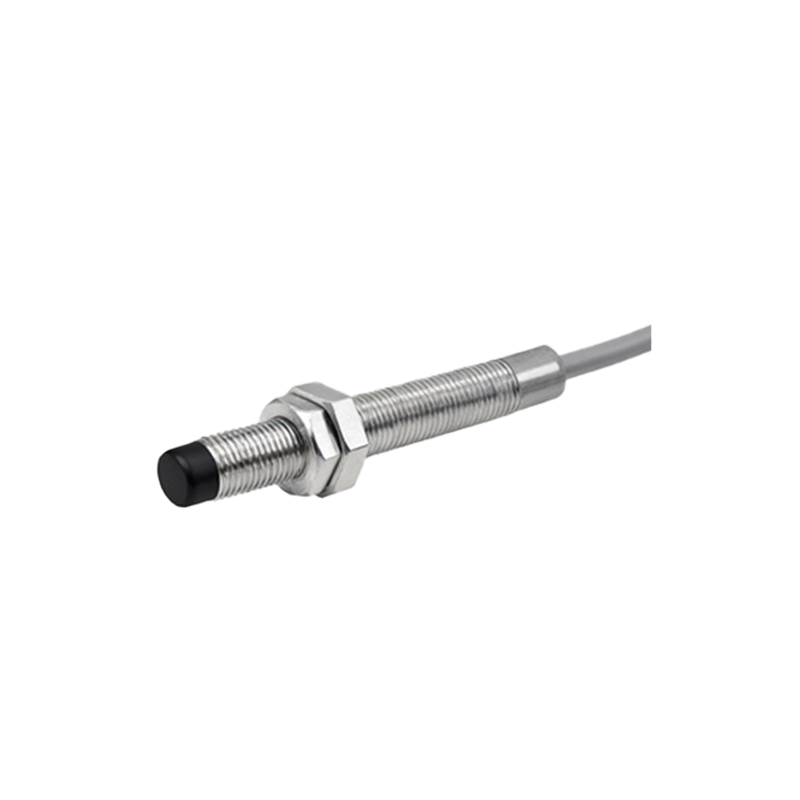
When selecting a ring proximity sensor, several factors must be carefully considered. The target material is paramount; standard sensors are optimized for ferrous metals, while special versions are required for reliable detection of non-ferrous metals or stainless steel. The required sensing distance, effectively the ring's ID, must accommodate the object with sufficient clearance. Environmental factors such as temperature extremes, potential for physical impact, and exposure to contaminants dictate the required ingress protection (IP) rating, such as IP67 for dust and temporary immersion. Finally, the electrical interface must seamlessly integrate with the existing control system.
Installation and maintenance are generally straightforward. The sensor should be mounted securely, ensuring that no other large metallic masses are within its specified lateral sensing range to avoid false triggering. Regular cleaning of the aperture to remove dust, metal chips, or debris is essential for maintaining reliable operation. Most modern ring sensors feature LED indicators for power and output status, aiding in quick diagnostics.
In conclusion, the ring-type proximity switch is a robust, reliable, and purpose-built component in the sensor toolkit. Its unique through-hole design solves specific detection challenges that other sensor types, like cylindrical or rectangular proximity sensors, cannot address as elegantly. By understanding its operating principle, specifications, and application fit, engineers can effectively deploy these sensors to enhance automation reliability, improve quality control, and increase overall system efficiency. As automation continues to evolve, the role of such specialized sensors remains firmly entrenched in building smarter, more responsive industrial environments.