In the realm of industrial automation, proximity sensors play a pivotal role in enhancing efficiency, safety, and precision. These non-contact devices detect the presence or absence of objects, enabling seamless control in manufacturing, packaging, and robotics. Selecting the right brand is crucial for reliability and performance. Here, we explore leading proximity sensor brands that dominate the global market, known for their innovation, durability, and technological advancements.
First on the list is Sick AG, a German powerhouse renowned for its high-quality sensors. Sick offers a comprehensive range of inductive, capacitive, and magnetic proximity sensors, designed for harsh environments. Their products feature robust housing, exceptional sensing ranges, and advanced diagnostics, making them a top choice for automotive and logistics industries. With a focus on Industry 4.0 integration, Sick sensors provide smart connectivity and data analytics capabilities.
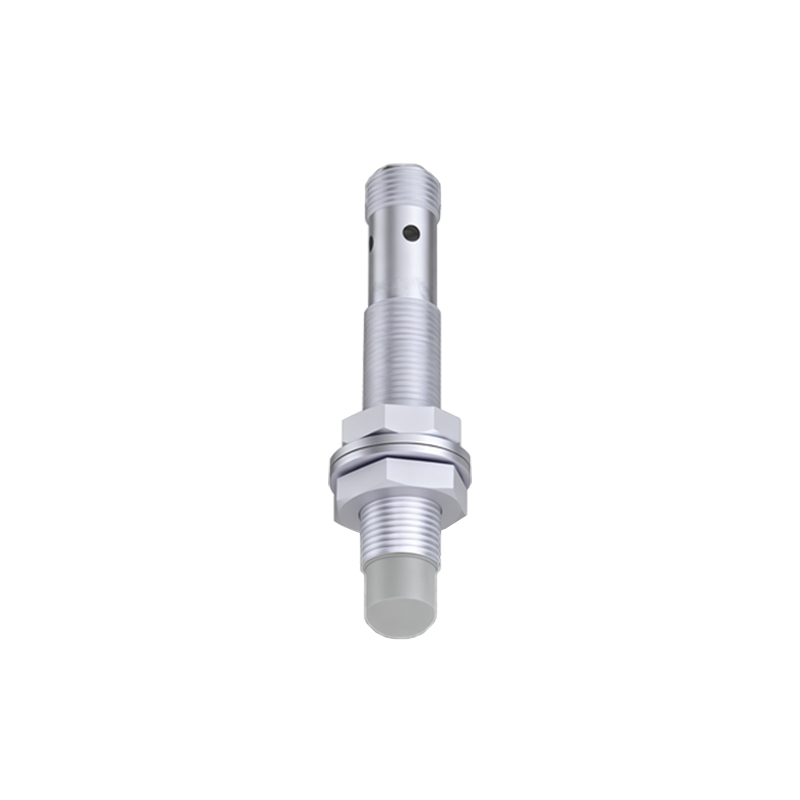
Another key player is Omron Corporation, a Japanese leader in automation components. Omron’s proximity sensors are celebrated for their precision and versatility. The E2E series, for instance, delivers reliable detection in tight spaces, while the E2K model excels in capacitive sensing for liquid levels. Omron emphasizes user-friendly design, with easy installation and maintenance, catering to sectors like electronics and food processing. Their commitment to R&D ensures continuous innovation in IoT-enabled sensors.
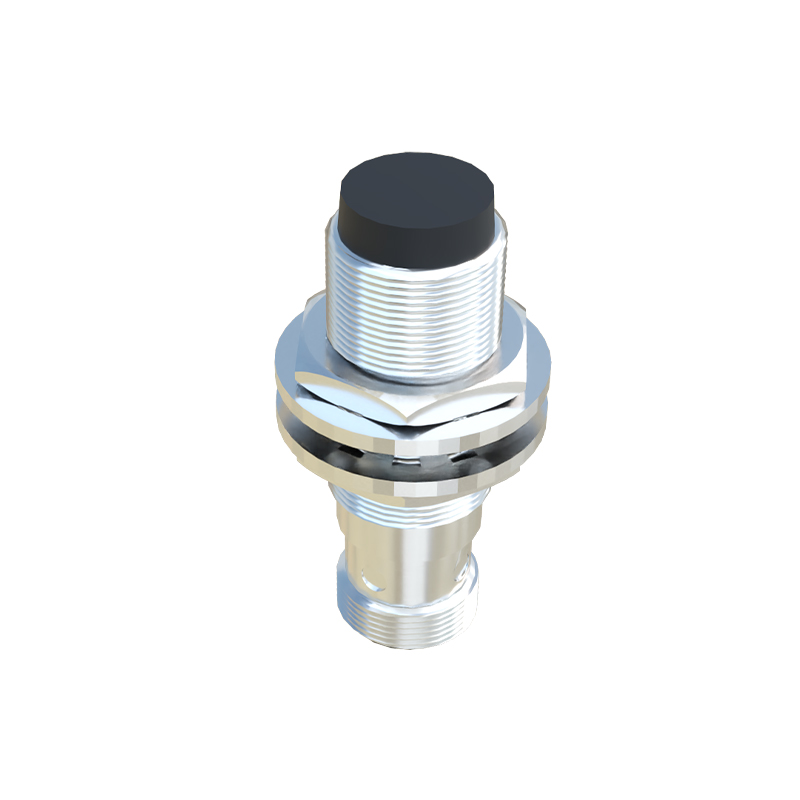
Pepperl+Fuchs, also based in Germany, stands out for its expertise in intrinsic safety and explosion-proof sensors. This brand is a go-to for hazardous areas, such as chemical plants and oil refineries. Their inductive and ultrasonic proximity sensors offer high immunity to interference and long service life. Pepperl+Fuchs integrates cutting-edge technology, like IO-Link communication, to facilitate real-time monitoring and predictive maintenance, aligning with smart factory trends.
From the United States, Rockwell Automation provides robust proximity sensors under the Allen-Bradley lineup. These sensors are engineered for heavy-duty applications in automotive and aerospace manufacturing. Features include extended temperature ranges, vibration resistance, and seamless integration with Rockwell’s control systems. The brand’s focus on scalability and support makes it a favorite among large-scale industrial operators seeking comprehensive automation solutions.
Balluff GmbH, a German specialist, offers innovative proximity sensors with unique designs, such as factor 1 cylindrical models and miniature sensors for space-constrained setups. Balluff’s products emphasize flexibility, with options for analog outputs and RFID integration. They are widely used in machine tooling and material handling, where precision and speed are paramount. The brand’s global service network ensures reliable technical assistance.
Additionally, ifm electronic garners acclaim for its efficient and eco-friendly sensors. ifm’s proximity sensors, part of their “one for all” philosophy, reduce downtime through self-monitoring functions. Their inductive sensors, for example, feature teach-in modes for easy adjustment. ifm targets diverse industries, from renewable energy to pharmaceuticals, promoting sustainability through energy-efficient designs.
Emerging brands like Turck and Keyence also make significant strides. Turck, with its ruggedized sensors, excels in challenging conditions, while Keyence from Japan offers high-speed, ultra-precise sensors for robotics and electronics assembly. Both brands leverage advanced optics and laser technology, pushing the boundaries of detection accuracy.
When choosing a proximity sensor brand, consider factors like application environment, sensing range, output type, and connectivity. Top brands often provide certifications (e.g., IP67, ATEX) for quality assurance. As automation evolves, these companies continue to innovate, incorporating AI and wireless technologies to meet future demands. Investing in reputable brands ensures long-term operational success and cost savings.
In summary, the proximity sensor market is driven by giants like Sick, Omron, and Pepperl+Fuchs, alongside versatile players such as Rockwell Automation and Balluff. Each brand brings distinct strengths, from safety features to smart capabilities, empowering industries to achieve higher productivity. By evaluating specific needs and technological trends, engineers can select the optimal sensor solution for their automation projects.