Proximity sensors are indispensable components in modern industrial automation, offering non-contact detection of objects within a specific range. Their operational principle, based on electromagnetic fields, infrared light, or ultrasonic sound waves, eliminates the need for physical contact, leading to significant benefits across various applications. Understanding their core advantages and inherent limitations is crucial for engineers and system designers to select the optimal sensor for a given task.
A primary advantage of proximity sensors is their exceptional reliability and longevity. The absence of mechanical contact means there is no physical wear and tear on the sensor itself or the target object. This translates to minimal maintenance requirements, reduced downtime, and a dramatically extended operational lifespan compared to mechanical limit switches. In high-cycle applications, such as assembly line counting or robotic positioning, this non-contact operation is invaluable.
Furthermore, these sensors offer high-speed response and repeatability. They can detect objects at very fast rates, making them suitable for high-speed production environments. Their output signal is consistent and precise, providing accurate positional feedback critical for process control. Whether detecting metallic parts on a conveyor belt or monitoring the position of a cylinder rod, their consistent performance ensures process stability.
Another significant benefit is their versatility in harsh environments. Many proximity sensors are built with rugged housings, often rated IP67 or higher, making them resistant to dust, moisture, oils, and chemicals. This robustness allows them to function reliably in demanding settings like machine tools, food processing plants, and outdoor applications where contamination or washdowns are common. Their solid-state design is inherently more resilient to vibration and shock than mechanical alternatives.
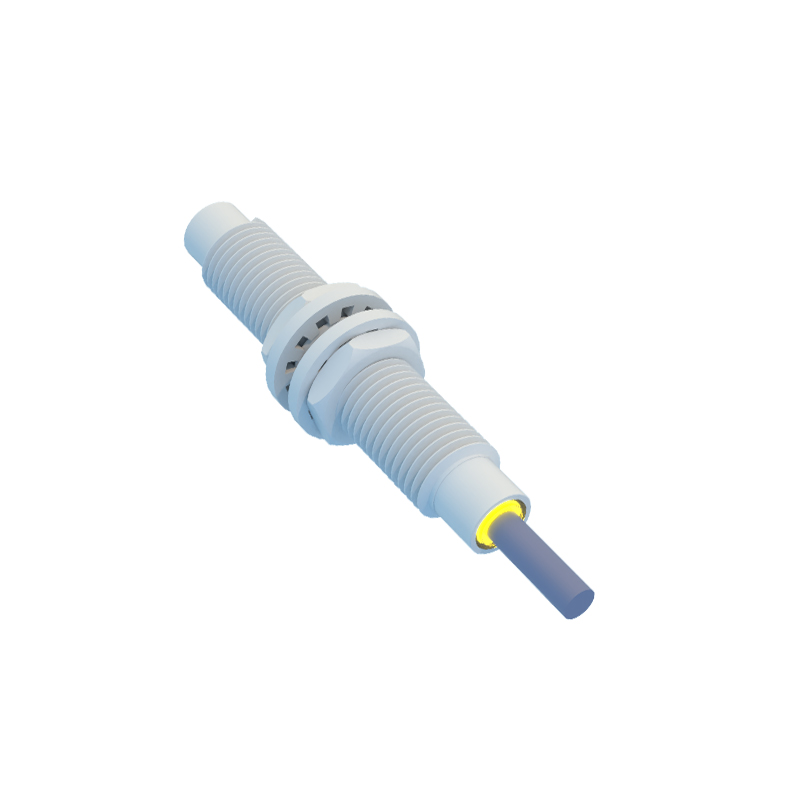
Proximity sensors also contribute to enhanced safety and flexibility. Since they do not require contact, they can detect fragile, soft, or oddly shaped objects without causing damage. This non-invasive nature is essential in packaging, material handling, and electronics manufacturing. Additionally, their ability to sense through certain non-metallic materials (like plastic or glass) allows for creative mounting solutions and hidden detection points.
However, despite these strengths, proximity sensors have several notable disadvantages that must be considered. The most prominent limitation is their sensing range. Effective detection distances are typically short, ranging from a few millimeters to, at most, several tens of millimeters for standard models. This requires precise installation and positioning, which can increase complexity during setup.
The sensing performance is also highly dependent on the target material. Inductive sensors, for instance, only detect metallic objects, and their effective range varies with the type of metal (ferrous metals like iron are detected at longer ranges than non-ferrous metals like aluminum or copper). Capacitive sensors can detect non-metallic materials but are susceptible to interference from environmental factors like humidity or temperature changes, which can cause false triggering.
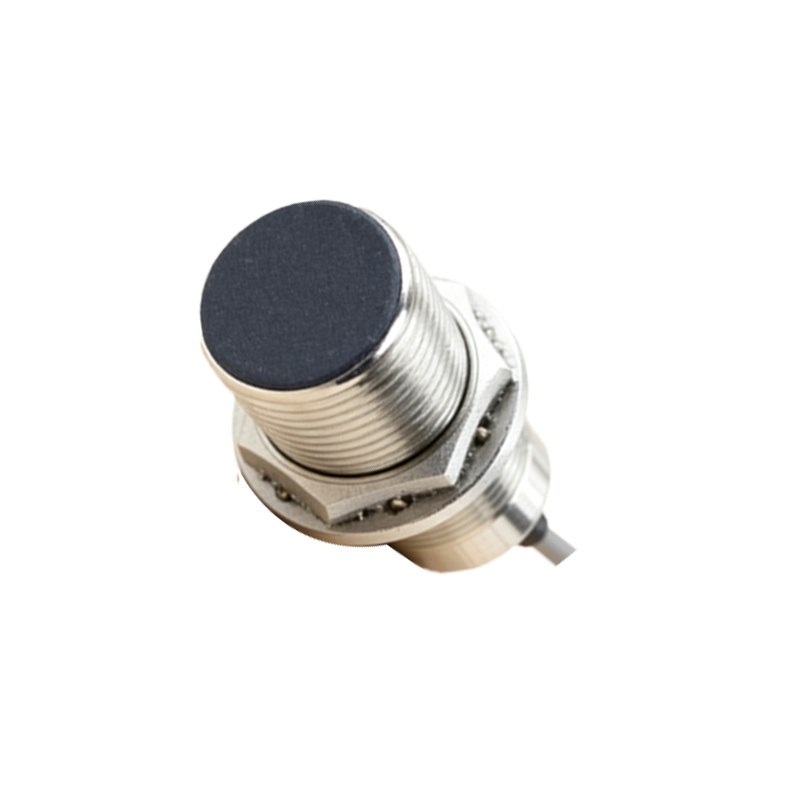
Environmental interference is a key drawback. Strong electromagnetic fields from motors or welding equipment can adversely affect inductive and magnetic sensors. Ultrasonic sensors may be confused by acoustic noise or air turbulence. Infrared sensors can be blinded by ambient light or fail with highly reflective or absorbent surfaces. Careful shielding and installation away from noise sources are often necessary.
Finally, cost can be a limiting factor. High-performance proximity sensors, especially those with long ranges, specialized housings, or analog outputs, are generally more expensive than simple mechanical switches. While the total cost of ownership may be lower due to reduced maintenance, the higher initial investment must be justified by the application's requirements.
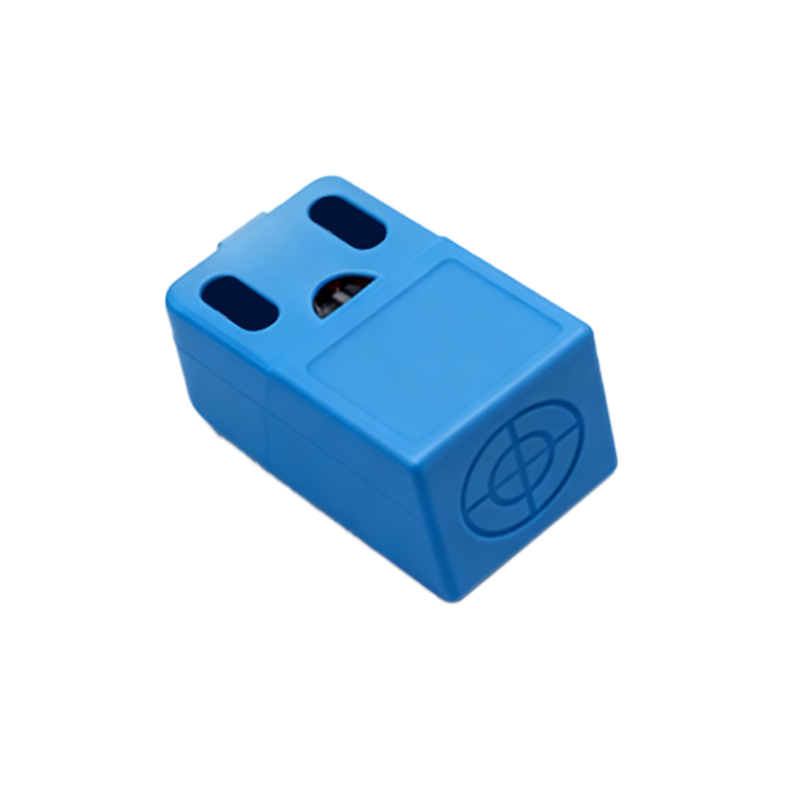
In conclusion, proximity sensors provide a powerful solution for non-contact detection, bringing reliability, speed, and durability to industrial systems. Their advantages in reducing maintenance and operating in tough conditions are substantial. Yet, their limitations in range, material dependency, and susceptibility to environmental factors necessitate careful selection. A thorough analysis of the target object, environmental conditions, and required performance parameters is essential to leverage their strengths and mitigate their weaknesses, ensuring optimal integration into any automated system.