In the realm of embedded systems and industrial automation, the integration of proximity sensors with microcontrollers (MCUs) forms the cornerstone of countless intelligent applications. From detecting object presence on a conveyor belt to enabling touchless interfaces in consumer electronics, these sensor-MCU pairs translate physical presence into actionable digital data. This guide delves into the operational principles, key interfacing techniques, and practical considerations for engineers implementing proximity sensing solutions.
At its core, a proximity sensor detects the presence or absence of a nearby object without physical contact. When paired with a microcontroller, this detection becomes a programmable event. The most common types for MCU integration include:
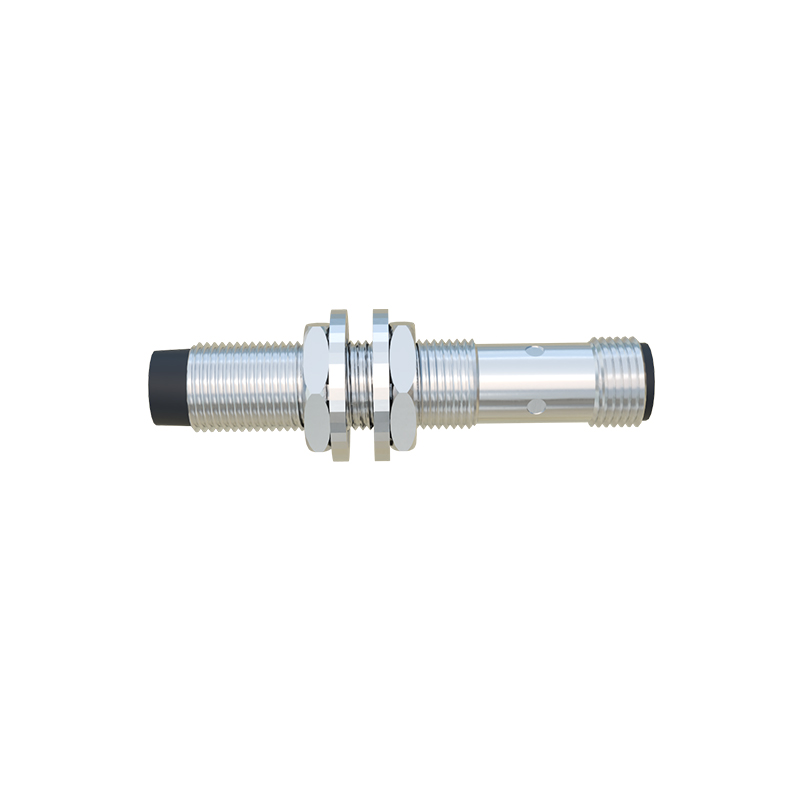
Inductive Sensors: Ideal for detecting metallic objects. They generate an electromagnetic field; a metallic target entering this field induces eddy currents, causing a change in the sensor's oscillation amplitude, which is then converted into a digital signal.
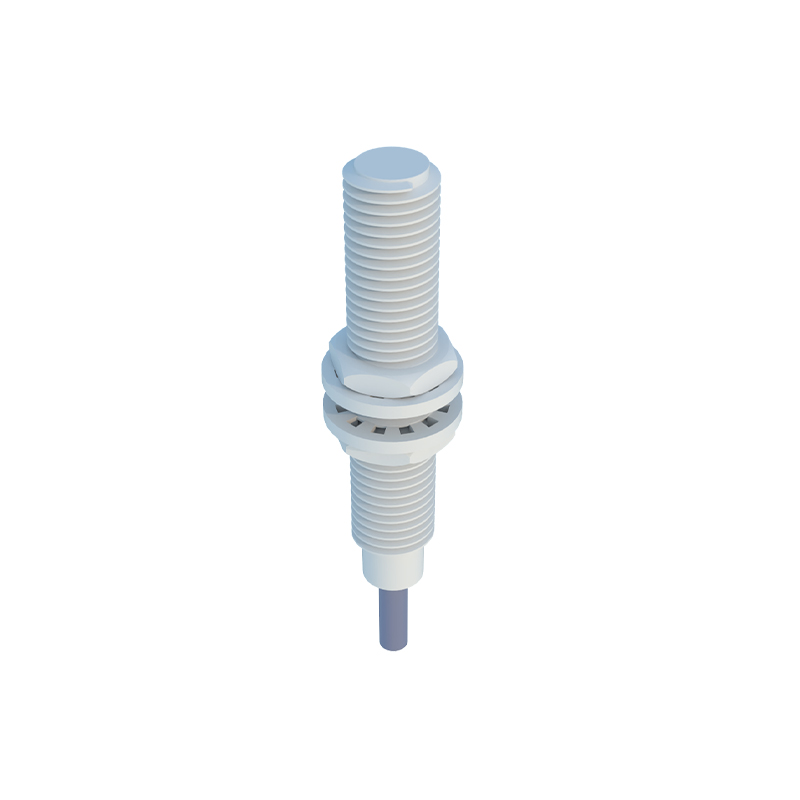
Capacitive Sensors: Capable of detecting both metallic and non-metallic materials (plastics, liquids, wood). They measure changes in capacitance caused by the target object altering the sensor's electrostatic field.
Infrared (IR) Reflectance Sensors: Utilize an IR LED and a phototransistor. The MCU can pulse the LED, and the reflected IR light (or lack thereof) from a nearby object is detected, indicating proximity.
Ultrasonic Sensors: Measure distance by calculating the time-of-flight of sound waves. They offer longer ranges and are excellent for applications requiring precise distance measurement, not just binary detection.
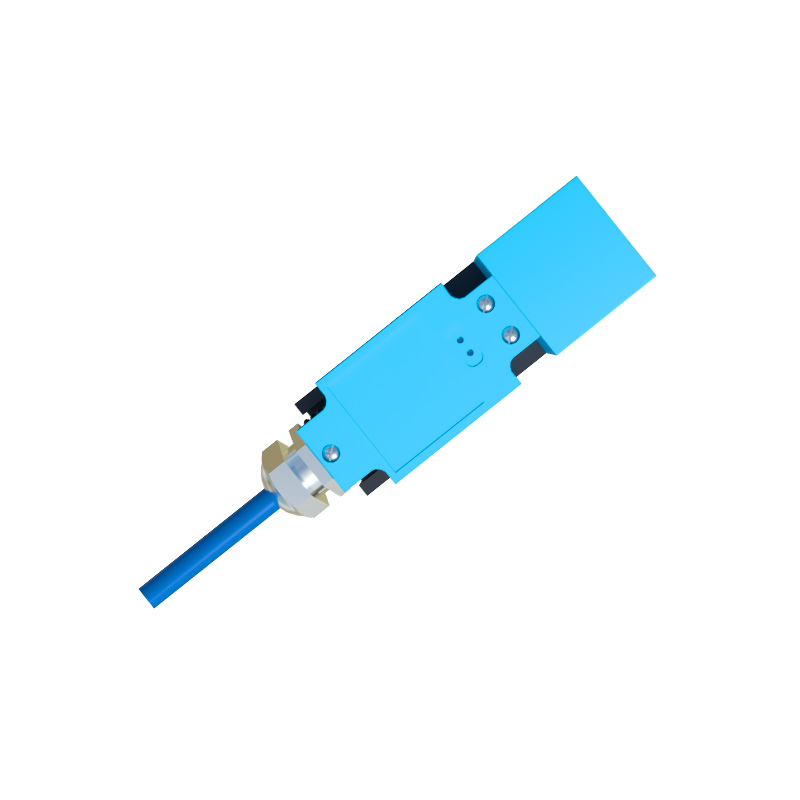
Interfacing these sensors with a microcontroller typically involves managing digital or analog signals. Many modern proximity sensors come with digital outputs (e.g., NPN/PNP open-collector or push-pull) that can be directly connected to a GPIO pin on the MCU. The MCU firmware simply reads the pin state (HIGH/LOW). For analog output sensors or those requiring precise threshold adjustment, an MCU's Analog-to-Digital Converter (ADC) channel is essential. The ADC reads the varying voltage proportional to the sensing distance or intensity, allowing for sophisticated algorithms like multi-level detection or noise filtering in software.
Critical design considerations start with selecting the appropriate sensing technology based on the target material, required sensing range, environmental conditions (dust, moisture, temperature), and response speed. Electrical compatibility is paramount: ensure the sensor's operating voltage matches the MCU's power supply, and implement proper level-shifting if necessary. For digital sensors, consider using internal or external pull-up/pull-down resistors as needed.
Noise immunity is a frequent challenge in industrial settings. Techniques such as implementing debounce algorithms in firmware for digital sensors, using hardware filtering (RC low-pass filters) for analog signals, and employing shielded cables for inductive sensors are highly recommended. Proper sensor placement is also crucial to avoid false triggers from background objects or environmental interference.
For advanced applications, microcontrollers enable smart sensor functionalities. Using timer peripherals, an MCU can precisely measure pulse widths from ultrasonic sensors. Interrupt Service Routines (ISRs) can be configured to react immediately to a sensor's state change, ensuring real-time responsiveness. Furthermore, MCUs can implement calibration routines, compensate for temperature drift using onboard sensors, and communicate processed sensor data to higher-level systems via UART, I2C, or SPI protocols.
In practice, developing a proximity sensing node involves a cyclical process of schematic design, PCB layout (paying attention to sensor placement and noise-sensitive traces), firmware development, and rigorous testing. Prototyping on development boards is strongly advised. Engineers must validate the sensor's performance with actual target objects under real-world operating conditions, adjusting thresholds and filter parameters in the MCU code accordingly.
The fusion of robust proximity sensing technology with the versatile processing power of modern microcontrollers unlocks immense potential. By mastering the electrical interfacing, signal conditioning, and firmware strategies, engineers can create reliable, efficient, and intelligent systems that perceive their environment, forming the essential feedback layer for automated control across industries from manufacturing to automotive to smart devices.