In the realm of industrial automation and machine control, proximity sensors are indispensable components for detecting the presence or absence of objects without physical contact. Among the various form factors available, cylindrical proximity sensors stand out due to their robust design, ease of installation, and reliable performance in harsh environments. This article delves into the fundamentals, types, working principles, key applications, and critical factors for selecting the right cylindrical proximity sensor for your needs.
Cylindrical proximity sensors, as the name suggests, feature a cylindrical metal or polymer housing. This shape is not merely aesthetic; it is engineered for straightforward mounting in standard drilled holes using locknuts, providing a secure and stable installation. The typical diameters range from M4 (4mm) to M30 (30mm), with varying lengths to suit different sensing ranges and mounting constraints. The sensing face is usually located at one end of the cylinder, and the connection is made via a pre-attached cable or a connector at the opposite end.
These sensors operate primarily on two principles: inductive and capacitive sensing. Inductive cylindrical proximity sensors are the most common type. They generate an electromagnetic field from a coil wound around a ferrite core located at the sensing face. When a metallic object (ferrous or non-ferrous) enters this field, it induces eddy currents, causing a change in the oscillation amplitude within the sensor's circuit. This change is detected, processed, and converted into a switching signal. Inductive sensors are ideal for detecting metals and are widely used in metalworking, automotive assembly, and material handling.
Capacitive cylindrical proximity sensors, on the other hand, can detect both metallic and non-metallic materials, including liquids, plastics, glass, and wood. They function by generating an electrostatic field. When any object with a dielectric constant different from air enters this field, it alters the capacitance of the sensor's circuit, triggering an output state change. This makes them versatile for applications like level detection in tanks, presence detection of plastic bottles on a conveyor, or monitoring paper stacks.
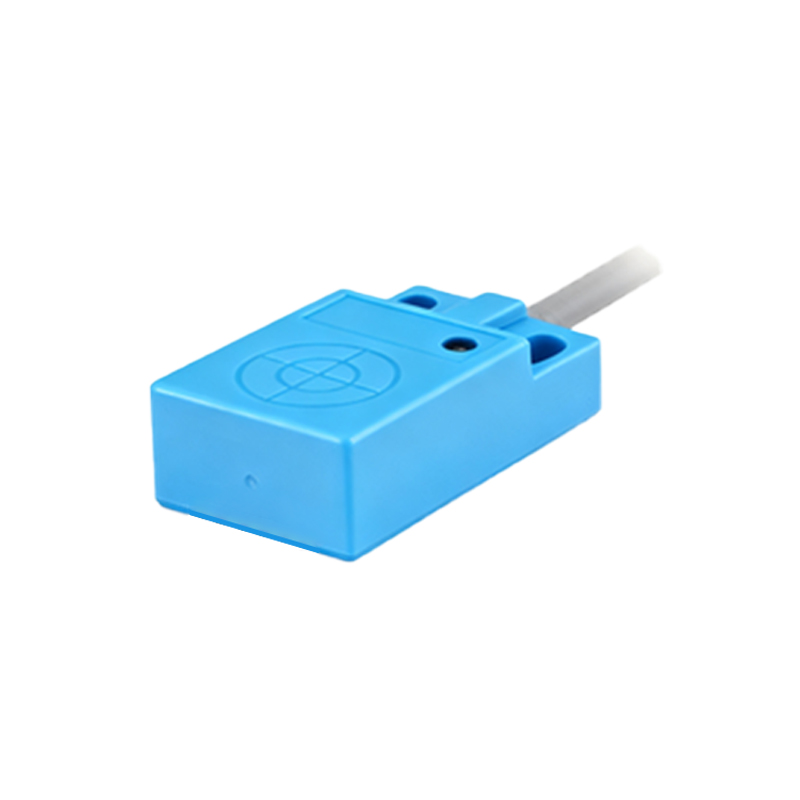
Beyond these, there are specialized cylindrical sensors based on magnetic field sensing (Reed or Hall effect) for detecting permanent magnets, often used in cylinder position feedback. Photoelectric sensors also come in cylindrical housings, using a light beam to detect objects, but they are less common in a purely cylindrical form factor compared to tubular styles.
The output configuration is a vital specification. Cylindrical proximity sensors typically provide digital outputs, either as Normally Open (NO) or Normally Closed (NC) contacts. The switching element can be a solid-state transistor (PNP or NPN sourcing/sinking) for DC sensors or a triac for AC sensors. The choice depends on the control system's input card requirements (sourcing vs. sinking). Many modern sensors also feature short-circuit and overload protection, reverse polarity protection, and LED status indicators for diagnostics.
Selecting the appropriate cylindrical proximity sensor requires careful consideration of several parameters. First, define the target material. For metals only, an inductive sensor is sufficient and cost-effective. For diverse materials, a capacitive sensor is necessary. Next, determine the required sensing distance. The nominal sensing range (Sn) is specified for a standard target (usually mild steel for inductive). It's crucial to apply a safety factor (often 0.8x Sn) and consider any reduction factors for different metals (e.g., aluminum may reduce the range by ~40%). The sensor's diameter often correlates with its sensing range; larger diameters generally offer longer ranges.
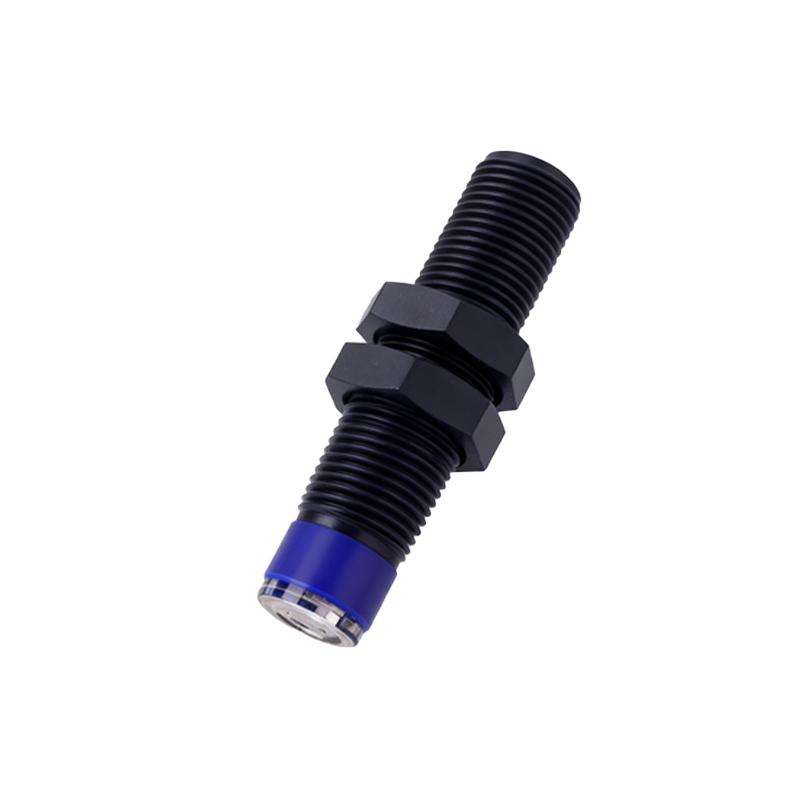
Environmental conditions are paramount. Cylindrical sensors are prized for their high Ingress Protection (IP) ratings, commonly IP67 or IP68, making them resistant to dust and temporary or prolonged immersion in water. They must also withstand mechanical shocks, vibrations, and temperature extremes common in industrial settings. For welding environments, weld-field immune models are essential to resist spurious triggering from strong electromagnetic interference.
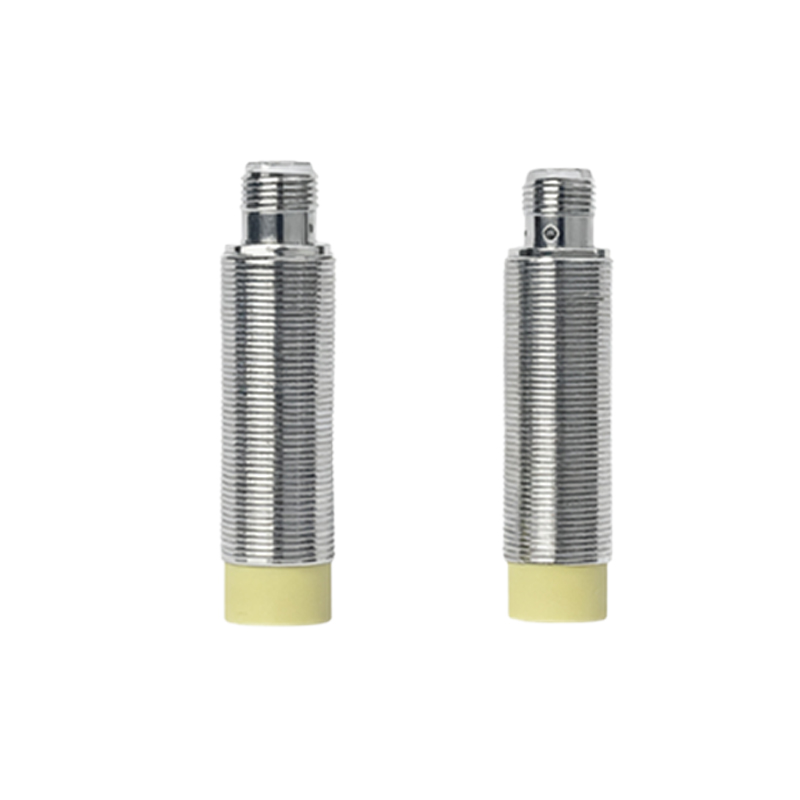
Electrical characteristics must match the application. This includes the supply voltage (e.g., 10-30V DC, 20-250V AC), current consumption, and output current capacity. The switching frequency (response speed) must be high enough for fast-moving objects on a production line. Finally, consider the housing material. Stainless steel (e.g., V2A or V4A) housings offer superior corrosion resistance for washdown areas in food & beverage or chemical plants, while nickel-plated brass is a common, cost-effective option for general industry.
Applications for cylindrical proximity sensors are vast. In automotive manufacturing, they detect piston positions, count gears, and confirm part presence in robotic cells. In packaging machinery, they monitor fill levels, detect labels, and control product flow. On conveyor systems, they provide object counting and position verification. In metal stamping presses, they ensure tooling is in the correct home position before a cycle begins.
Install