RU laser sensors represent a critical component in modern industrial automation, offering high-precision measurement and detection capabilities. Programming these sensors effectively requires a deep understanding of their operational principles, communication protocols, and integration with control systems. This guide provides a comprehensive overview of programming techniques for RU laser sensors, tailored for electrical engineers and automation professionals.
RU laser sensors typically utilize time-of-flight or triangulation methods to measure distance, detect objects, or monitor processes. Programming begins with configuring basic parameters such as measurement range, response time, and output signals. Most RU sensors support digital interfaces like IO-Link, Ethernet/IP, or PROFINET, enabling seamless communication with PLCs (Programmable Logic Controllers) and SCADA (Supervisory Control and Data Acquisition) systems. Engineers must first establish a connection using manufacturer-specific software, such as RU's proprietary configuration tool, to set initial parameters.
The core of programming involves defining sensor logic and output behavior. For instance, in a packaging line application, the sensor might be programmed to trigger a rejection mechanism when an object exceeds a predefined height threshold. This is achieved by setting teaching points—reference values obtained by measuring sample objects under actual conditions. Advanced programming includes creating dynamic thresholds, where the sensor adjusts its detection criteria based on environmental changes, such as temperature fluctuations or varying surface reflectivity.
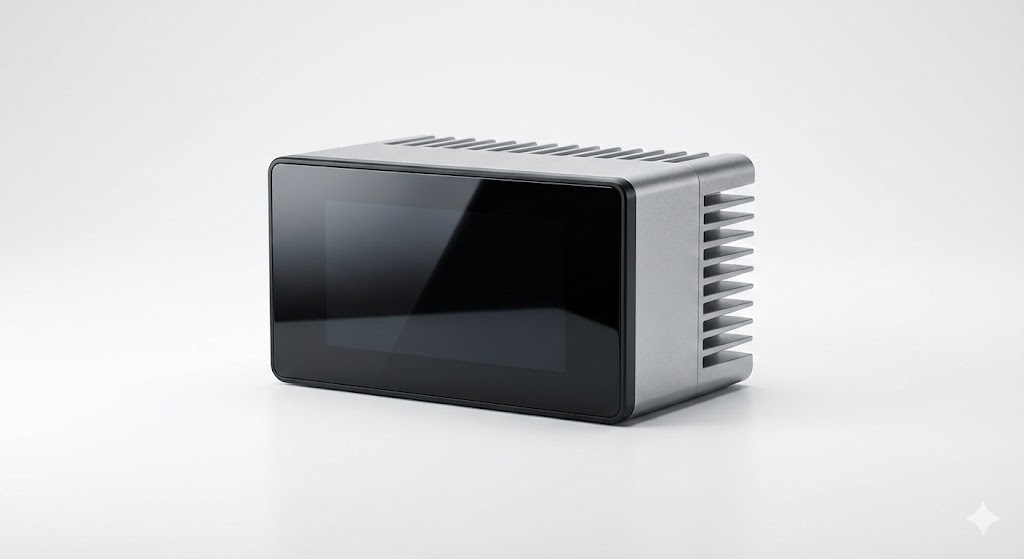
Scripting and custom logic implementation are essential for complex applications. Many RU sensors support embedded scripting languages (e.g., structured text or ladder logic) to define conditional operations. For example, a script might command the sensor to ignore intermittent obstructions or to average measurements over a time window to reduce noise. When integrating with PLCs, engineers often use function blocks or libraries provided by the sensor manufacturer, simplifying code development and ensuring compatibility.

Error handling and diagnostics are crucial aspects of programming. RU sensors typically offer diagnostic data, such as signal strength, internal temperature, or contamination levels, which can be monitored programmatically. Implementing alarm thresholds for these parameters helps prevent system failures. For instance, if the sensor's lens becomes dirty, a programmed alert can notify maintenance personnel, minimizing downtime. Additionally, programming should include fail-safe modes, where the sensor defaults to a safe state (e.g., output off) during communication loss.
Calibration and maintenance routines should be incorporated into the programming workflow. RU laser sensors may require periodic recalibration due to wear or environmental factors. Automated calibration sequences, triggered by time or event counters, can be programmed to ensure consistent accuracy. For multi-sensor networks, synchronization is vital; programming should address timing offsets to avoid conflicts in data acquisition.
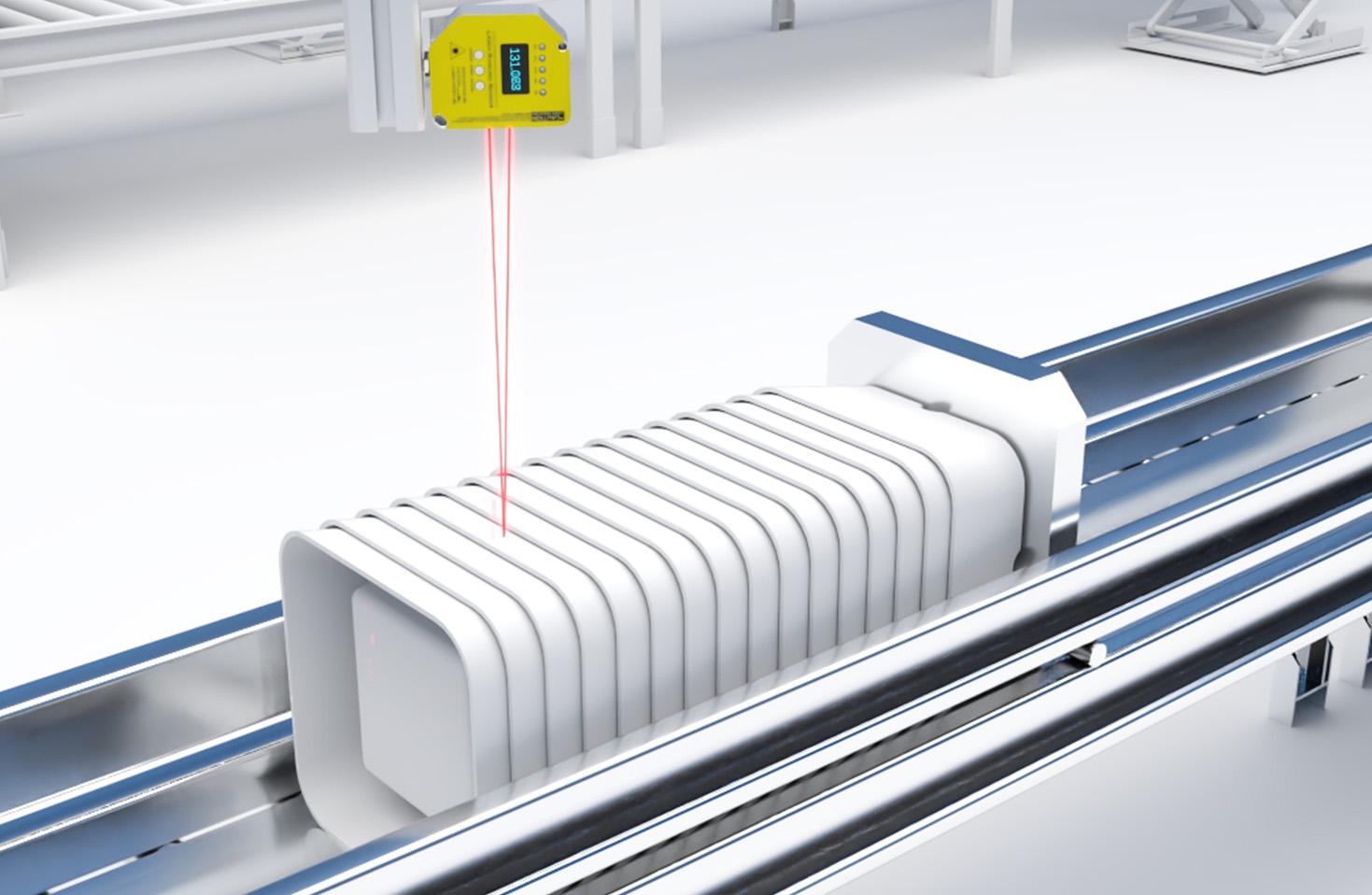
In summary, programming RU laser sensors involves a blend of hardware configuration, logic definition, and system integration. Best practices include documenting all parameter changes, testing programs in simulated environments, and adhering to industry standards like IEC 61131-3 for control logic. As industrial IoT (Internet of Things) evolves, programming may extend to cloud connectivity for remote monitoring and analytics, further enhancing the sensor's role in smart factories. By mastering these programming techniques, engineers can optimize RU laser sensors for reliability, precision, and adaptability in diverse automation scenarios.