Proximity sensors, often referred to as proximity switches, are indispensable components in modern industrial automation and control systems. These non-contact sensors detect the presence or absence of an object within a specified sensing range without any physical contact. This fundamental characteristic eliminates mechanical wear, enhances reliability, and allows for high-speed operation, making them superior to traditional mechanical limit switches in countless applications.
The core principle of operation varies by technology, with inductive, capacitive, and magnetic (Reed or Hall-effect) being the most prevalent types. Inductive proximity sensors are the workhorses of metal detection. They generate an electromagnetic field. When a metallic target enters this field, it causes a change in the field's oscillation amplitude, which the sensor's circuitry detects and converts into a solid-state output signal. These sensors are ideal for detecting ferrous and non-ferrous metals in harsh environments like machine tools, robotic arms, and conveyor systems. Their robustness against dirt, oil, and coolants is a significant advantage.
Capacitive proximity sensors, on the other hand, can detect both metallic and non-metallic materials—liquids, plastics, wood, or granules. They function by generating an electrostatic field. Any object with a dielectric constant different from air will alter the capacitance of the sensor's circuit, triggering an output. This makes them perfect for level detection in tanks (liquid or powder), material handling of non-metallic products, and even as touch-sensitive controls.
Magnetic proximity sensors utilize a permanent magnet and a sensing element (like a Reed switch or Hall-effect IC). They are primarily used to detect the position of permanent magnets, typically mounted on moving machine parts like cylinders or doors. Their key strength is the ability to operate through non-magnetic barriers like aluminum, plastic, or stainless steel housings, enabling completely sealed and wash-down safe designs.
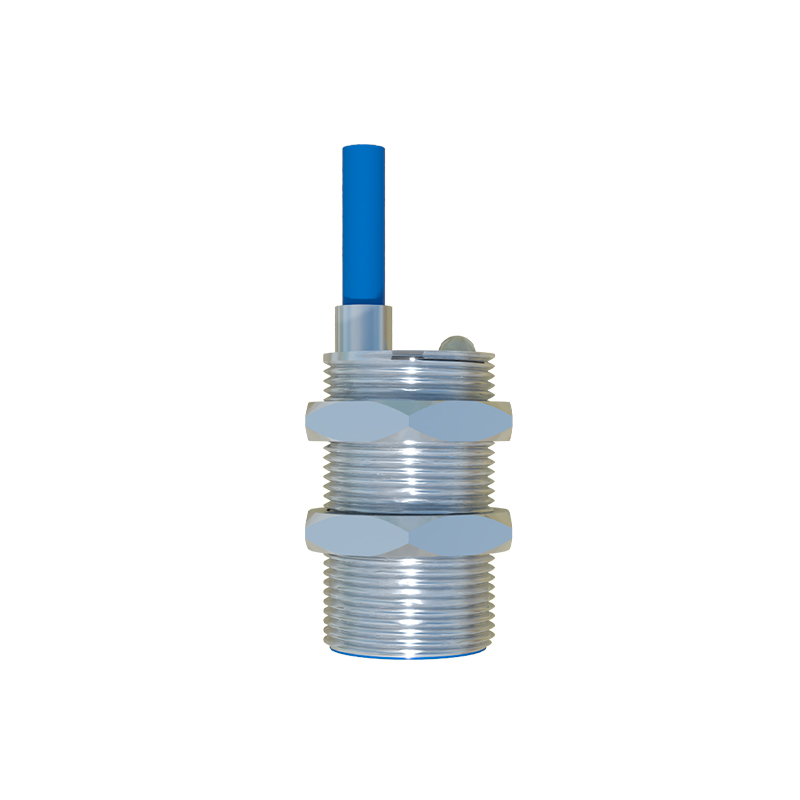
When deployed as a switch, the sensor's output is critical. The two primary output configurations are NPN (sinking) and PNP (sourcing), which define how the sensor interfaces with the programmable logic controller (PLC) or other control devices. The choice depends on the electrical architecture of the control system. Furthermore, outputs can be normally open (NO) or normally closed (NC), providing flexibility in control logic design. Analog output versions also exist, providing a continuous signal proportional to the distance to the target, useful for precise positioning tasks.
Selecting the right proximity switch requires careful consideration of several parameters: sensing distance (rated and effective), target material and size, output type, supply voltage, housing material (often nickel-plated brass or stainless steel), and environmental factors like temperature, pressure, and potential exposure to chemicals. For instance, in food and beverage or pharmaceutical applications, sensors with polished stainless steel housings and high IP (Ingress Protection) ratings (e.g., IP67, IP69K) are mandatory for hygiene and wash-down survivability.
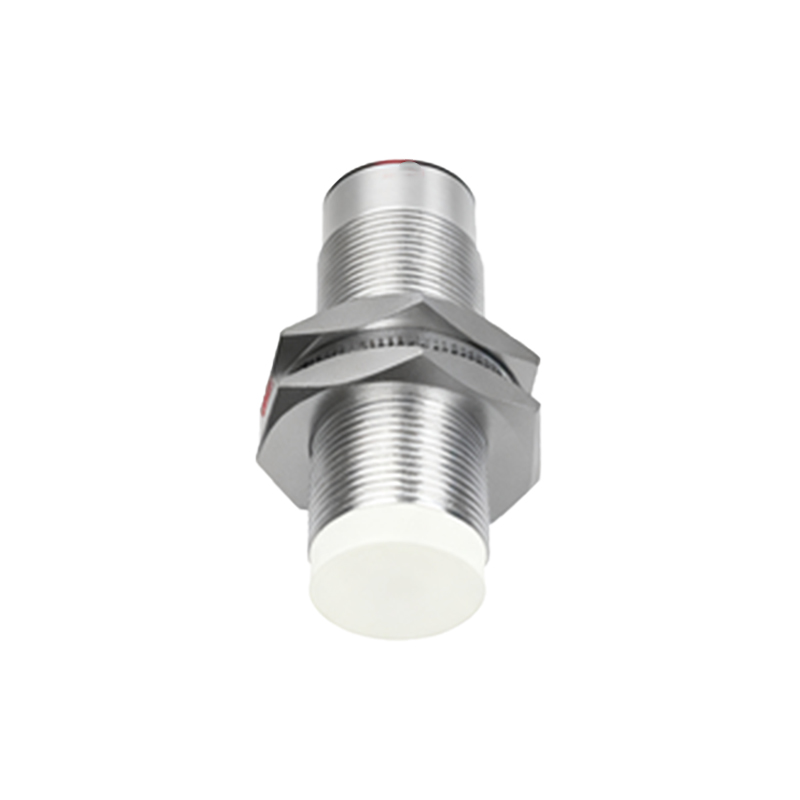
Installation and wiring are straightforward but demand attention to detail. Proper mounting, ensuring adequate clearance from metal surfaces (to prevent flanking interference), and correct shielding and grounding are essential for stable operation and noise immunity. In high-vibration environments, sensors with ruggedized designs and secure connection methods (like M12 connectors) are preferred.
The evolution of Industry 4.0 and the Industrial Internet of Things (IIoT) is pushing proximity sensors toward smarter functionalities. Modern "smart sensors" integrate diagnostic capabilities, such as outputting condition monitoring data (e.g., switch cycle count, temperature warnings) via IO-Link communication. This facilitates predictive maintenance, reducing unplanned downtime and optimizing overall equipment effectiveness (OEE).
In conclusion, the role of the proximity sensor as a reliable, solid-state switch is foundational to automated manufacturing. Its ability to provide precise, wear-free, and rapid object detection forms the sensory backbone for sequencing, counting, positioning, and safety interlocking in virtually every sector, from automotive assembly to packaging lines. Understanding their technologies, specifications, and application nuances is crucial for engineers designing efficient, resilient, and intelligent automation systems.