In the high-stakes environment of modern industrial automation, precision, safety, and reliability are non-negotiable. Among the myriad of sensing technologies deployed on factory floors, laser anti-fool sensors have emerged as a critical component for error-proofing and quality control. These sophisticated devices, often simply called laser presence sensors or laser Poka-Yoke sensors, are designed to prevent human or machine errors—hence the term "anti-fool"—by providing highly accurate, non-contact detection of objects, positions, or process states.
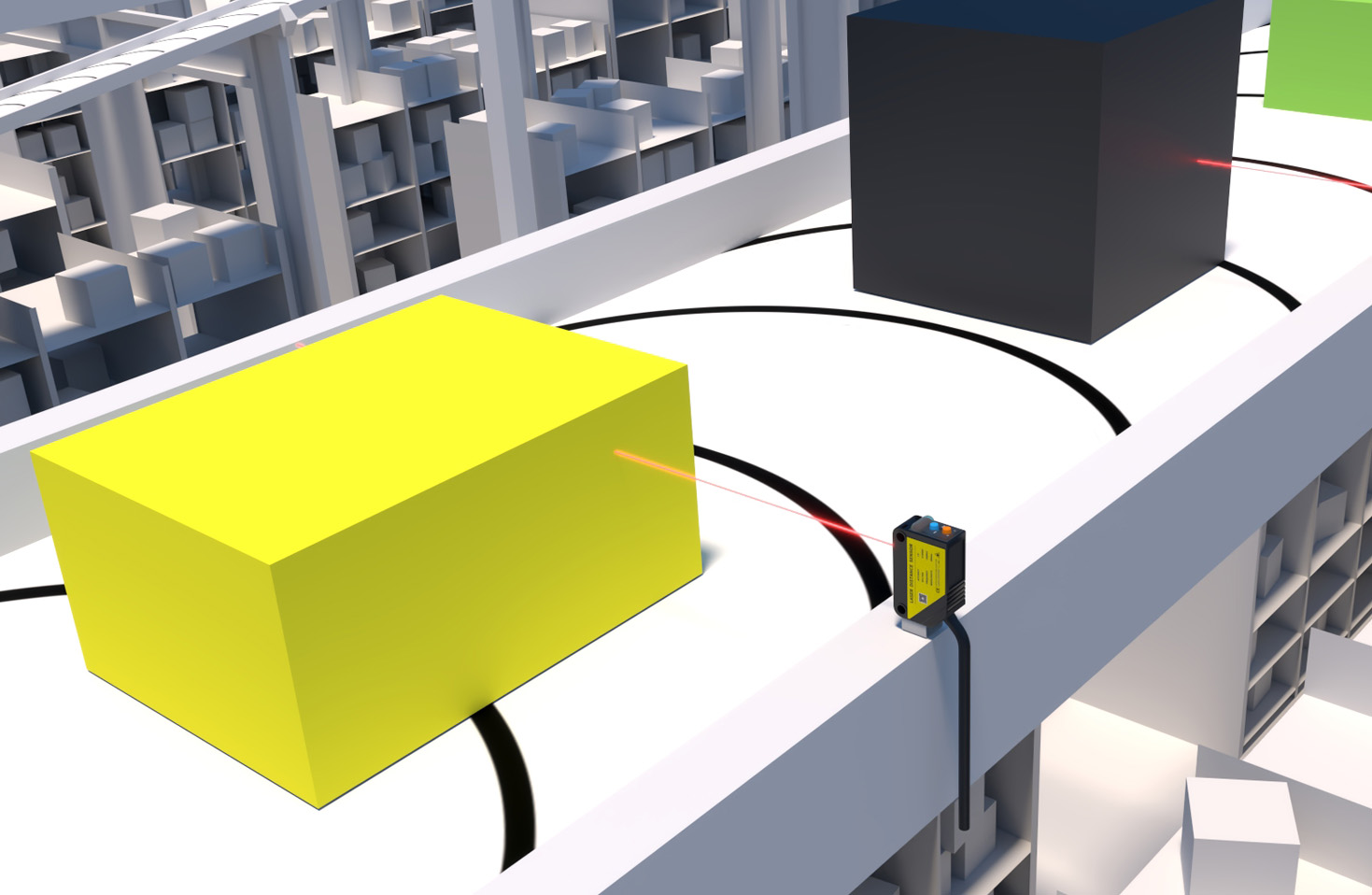
At its core, a laser anti-fool sensor operates on the principle of laser triangulation or time-of-flight measurement. It emits a focused beam of coherent light towards a target. When the beam strikes an object, it is reflected back to a receiver within the sensor. By analyzing the properties of the returned light—such as the angle of reflection, intensity, or the time taken for the round trip—the sensor's internal processor can determine the presence, absence, distance, or even the profile of an object with micron-level precision. This capability is far superior to traditional mechanical limit switches or photoelectric sensors, which can be prone to misalignment, wear, or environmental interference.
The applications of these sensors are vast and integral to lean manufacturing and Six Sigma processes. A quintessential example is in assembly line verification. For instance, in automotive manufacturing, a laser anti-fool sensor can be positioned to scan for the presence of a specific bolt or component before a robotic arm proceeds to the next assembly step. If the sensor fails to detect the component in the exact predefined location and orientation, it sends a signal to the PLC (Programmable Logic Controller) to halt the process, trigger an alarm, or divert the faulty unit. This prevents incomplete assemblies from progressing, eliminating costly rework and potential safety hazards.
Another critical application is in tooling and fixture confirmation. In CNC machining centers, a laser sensor can verify that the correct tool is loaded in the spindle or that a workpiece is clamped precisely in the fixture before machining begins. A misloaded tool or a misaligned part could lead to catastrophic tool breakage, part scrapping, and machine downtime. The laser sensor acts as the final, unforgiving checkpoint.
The advantages of using laser anti-fool sensors are multifaceted. First is their exceptional accuracy and repeatability, which are unaffected by surface color, material, or ambient light conditions to a great extent, thanks to the coherent nature of laser light. Second, their non-contact nature means there is no physical wear on the sensor or the target, leading to minimal maintenance and a long operational life. Third, their fast response time, often in the microsecond range, makes them suitable for high-speed production lines without becoming a bottleneck. Furthermore, modern laser sensors come with advanced features like teach-in functions for easy setup, IO-Link for digital communication and parameterization, and robust IP67 or higher enclosures that withstand harsh industrial environments containing dust, coolant, and vibration.
However, implementing these sensors requires careful engineering consideration. The choice between a through-beam, retro-reflective, or diffuse reflective model depends on the specific application. Environmental factors like highly reflective backgrounds, steam, or extreme temperatures can challenge some sensors, necessitating the selection of models with specialized filters or housing. Proper alignment during installation is crucial, and regular calibration checks are recommended to maintain peak performance.

In conclusion, laser anti-fool sensors represent a paradigm shift in industrial error prevention. They move quality control from a reactive, inspection-based model to a proactive, integrated one. By embedding intelligent sensing at critical control points, manufacturers can achieve near-zero defect rates, enhance operational safety, and optimize overall equipment effectiveness (OEE). As Industry 4.0 and smart factories evolve, the integration of these sensors with data analytics and predictive maintenance systems will further solidify their role as indispensable guardians of manufacturing integrity and efficiency. Investing in robust laser anti-fool sensing technology is not merely an operational expense but a strategic imperative for any business committed to excellence in automation.