Laser measurement sensors have revolutionized precision engineering and industrial automation, offering unparalleled accuracy, speed, and reliability. These devices operate on principles such as triangulation, time-of-flight, or interferometry, emitting laser beams to detect minute changes in distance, displacement, or surface characteristics. In manufacturing, they are indispensable for quality control, enabling real-time inspection of components with micron-level precision. For instance, in automotive assembly lines, laser sensors verify part dimensions and alignments, ensuring compliance with stringent tolerances. Similarly, in electronics, they facilitate the precise placement of microchips on circuit boards, reducing defects and enhancing production efficiency.
Beyond manufacturing, laser measurement sensors play a critical role in robotics and autonomous systems. They provide essential data for navigation, obstacle avoidance, and spatial mapping, allowing robots to operate safely in dynamic environments. In aerospace, these sensors monitor structural integrity by detecting deformations or vibrations in aircraft components, contributing to predictive maintenance and safety. The construction industry leverages laser-based tools for surveying and alignment, streamlining projects like tunnel boring or bridge building with high accuracy.
Recent technological advancements have further expanded their capabilities. The integration of artificial intelligence and machine learning enables sensors to analyze complex patterns and predict anomalies, moving beyond simple measurement to intelligent diagnostics. Miniaturization and cost reduction have made laser sensors more accessible, fostering adoption in smaller-scale applications such as medical devices or consumer electronics. However, challenges remain, including sensitivity to environmental factors like ambient light or dust, which manufacturers address through adaptive algorithms and protective enclosures.
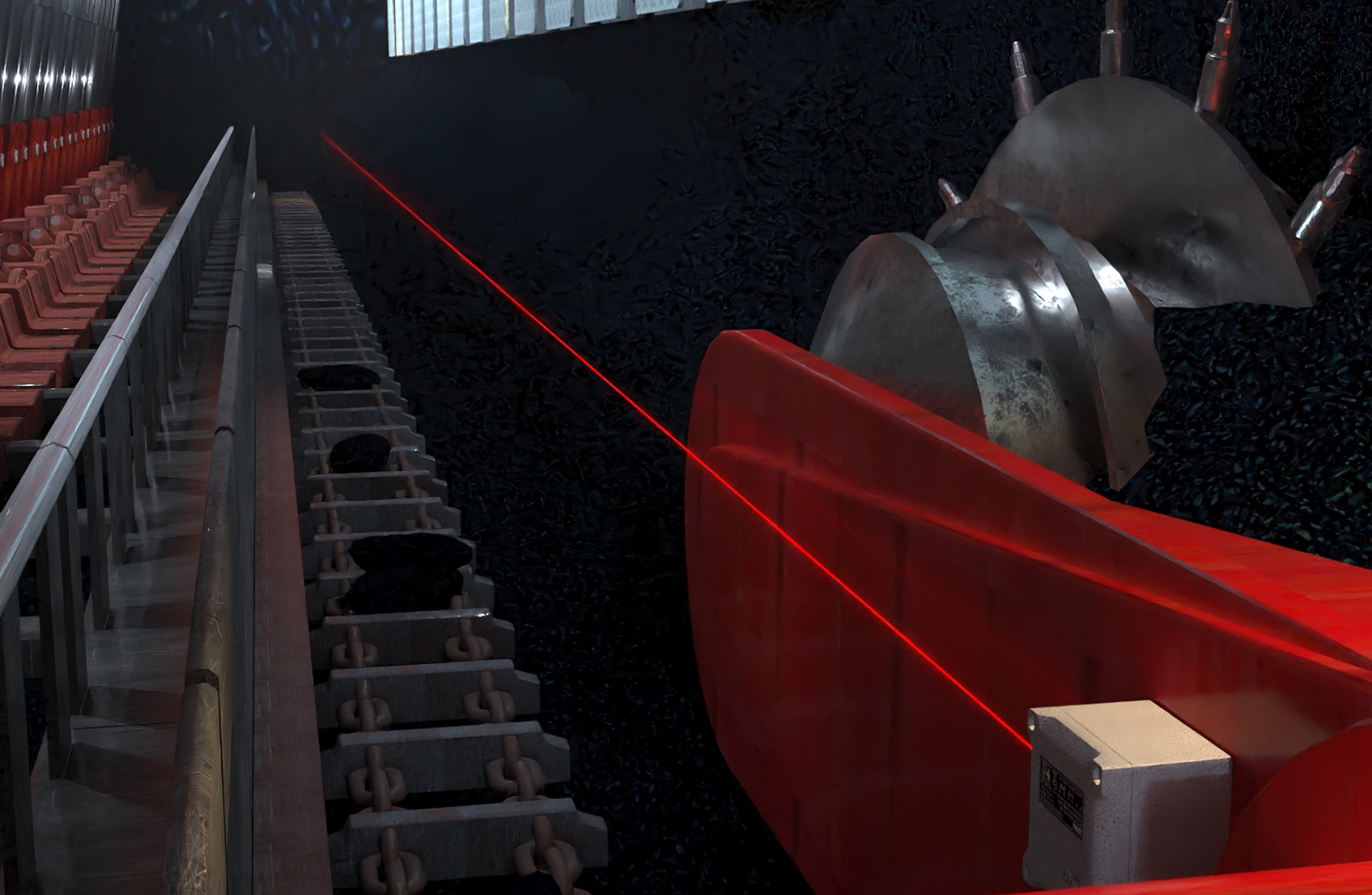
Looking ahead, the convergence of laser measurement with IoT (Internet of Things) platforms promises smarter, interconnected systems. Sensors can now transmit data to cloud-based analytics engines, facilitating remote monitoring and optimization across global supply chains. As industries embrace Industry 4.0, the demand for robust, high-speed laser sensors will only grow, driving innovation in areas like quantum sensing or ultrafast laser technologies. Ultimately, these sensors are not just tools but enablers of progress, underpinning advancements from micro-scale research to macro-scale infrastructure, and shaping a future where precision is paramount in every facet of industrial evolution.
