In the dynamic landscape of industrial automation, proximity sensors stand as critical components for enabling non-contact detection, ensuring safety, and enhancing operational efficiency. As an electrical engineer deeply involved in specifying and procuring these devices, I often encounter questions regarding their pricing. The cost of a proximity sensor is not a simple figure; it is a composite reflection of technology, materials, manufacturing, and market dynamics.
Fundamentally, the technology principle dictates a significant portion of the price. Inductive sensors, designed for detecting metallic objects, are generally the most cost-effective due to their mature and relatively simple design. Capacitive sensors, capable of detecting both metallic and non-metallic materials, often command a higher price point due to their more complex circuitry required to sense changes in capacitance. Ultrasonic and photoelectric sensors, with their advanced capabilities for longer ranges or precise detection of various materials, sit at the premium end of the spectrum. The incorporation of specialized features like analog output (4-20mA, 0-10V), IO-Link communication, or heightened protection ratings (IP67, IP69K) directly escalates the unit cost.
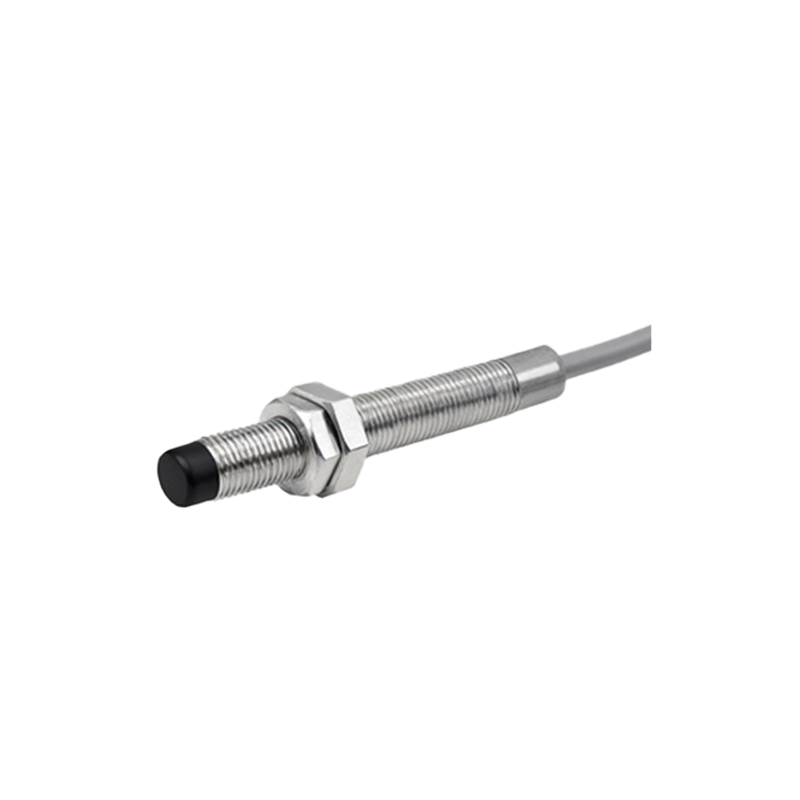
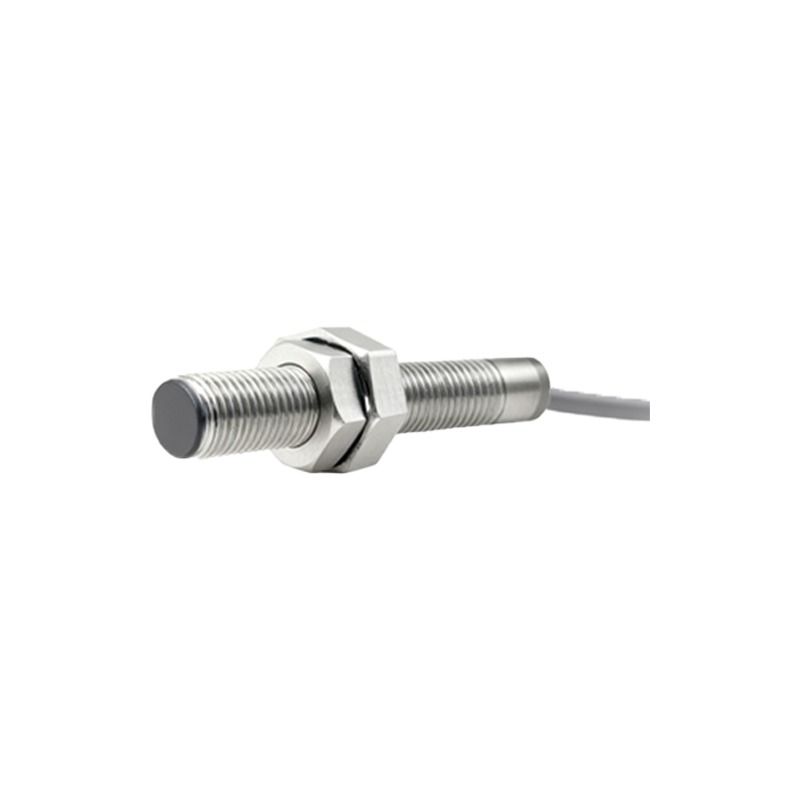
Material selection and build quality are paramount. The housing material—whether it's nickel-plated brass, stainless steel (e.g., 316L for corrosive environments), or PBT plastic—impacts both durability and price. High-quality sensing faces and internal electronic components designed for extended temperature ranges (-25°C to 70°C and beyond) and resistance to electrical noise contribute to a higher manufacturing cost but ensure reliability in harsh industrial settings. A sensor built for a standard factory floor will be priced differently from one engineered for washdown applications in food & beverage or aggressive environments in heavy machinery.
The manufacturing scale and brand equity play undeniable roles. Large-scale manufacturers benefit from economies of scale, potentially offering competitive prices on standard models. Established brands with a proven track record of reliability and global support networks often price their sensors at a premium. This premium is frequently justified by reduced downtime risks, comprehensive technical documentation, and readily available spare parts. Conversely, generic or lesser-known brands may offer lower initial purchase prices, but total cost of ownership (TCO) must be evaluated, considering factors like mean time between failures (MTBF) and ease of replacement.
Supply chain factors are more relevant than ever. Global events, raw material availability (such as semiconductors and rare-earth metals), and logistics costs directly influence market prices. Lead times can vary dramatically, and during periods of shortage, prices for even standard sensors can become volatile. Working with distributors or suppliers who maintain robust inventory buffers can sometimes mitigate price fluctuations but may involve slightly higher baseline costs.
Finally, the specific purchasing context affects the final price. Order volume is a key negotiator; unit price for a single sensor is substantially higher than for a bulk order of 500 pieces. The choice of distribution channel—buying directly from the manufacturer, through an authorized distributor, or from an online industrial marketplace—also carries different cost structures related to support and warranty services.
In conclusion, when evaluating the price of a proximity sensor, it is essential to look beyond the initial quote. Engineers and procurement specialists must conduct a thorough analysis based on the application requirements, required features, environmental conditions, and the criticality of the sensor within the system. Investing in the right sensor with appropriate specifications, even at a higher upfront cost, typically leads to superior long-term performance, reduced maintenance, and lower overall operational expenses. Always request detailed datasheets, compare specifications meticulously, and consider the supplier's reputation for quality and support as integral parts of the total value proposition.
