In the rapidly evolving landscape of industrial automation, the demand for precise, reliable, and application-specific sensing solutions has never been greater. Among these, laser proximity sensors stand out for their unparalleled accuracy, long sensing ranges, and ability to detect a wide variety of objects regardless of color or material. While off-the-shelf sensors serve many purposes, the true potential of this technology is unlocked through high-volume batch customization. This process tailors the sensor's performance, form factor, and integration capabilities to meet the exacting requirements of specific, large-scale production environments.
The journey of batch customizing laser proximity sensors begins with a deep dive into the application's core parameters. Key considerations include the required sensing distance, which can range from a few millimeters to several meters, and the minimum detectable object size. The target object's characteristics—such as its surface finish (matte, glossy, transparent), material composition, and ambient environmental conditions like dust, moisture, or extreme temperatures—directly influence the choice of laser wavelength (commonly red visible or infrared), optical design, and housing material. For instance, a sensor designed for detecting transparent glass panels in a cleanroom will have vastly different specifications from one monitoring the position of dark rubber tires on a dusty automotive assembly line.
Beyond basic detection, customization often involves tailoring the output signal. Standard digital (PNP/NPN) or analog (4-20mA, 0-10V) outputs are common, but modern production lines increasingly require sophisticated communication protocols. Batch customization allows for the integration of IO-Link, PROFINET, EtherNet/IP, or other industrial fieldbus interfaces directly into the sensor. This enables not just the transmission of a simple "on/off" signal but also rich diagnostic data, parameter setting from a central controller, and predictive maintenance alerts, forming a critical node in a smart factory ecosystem.
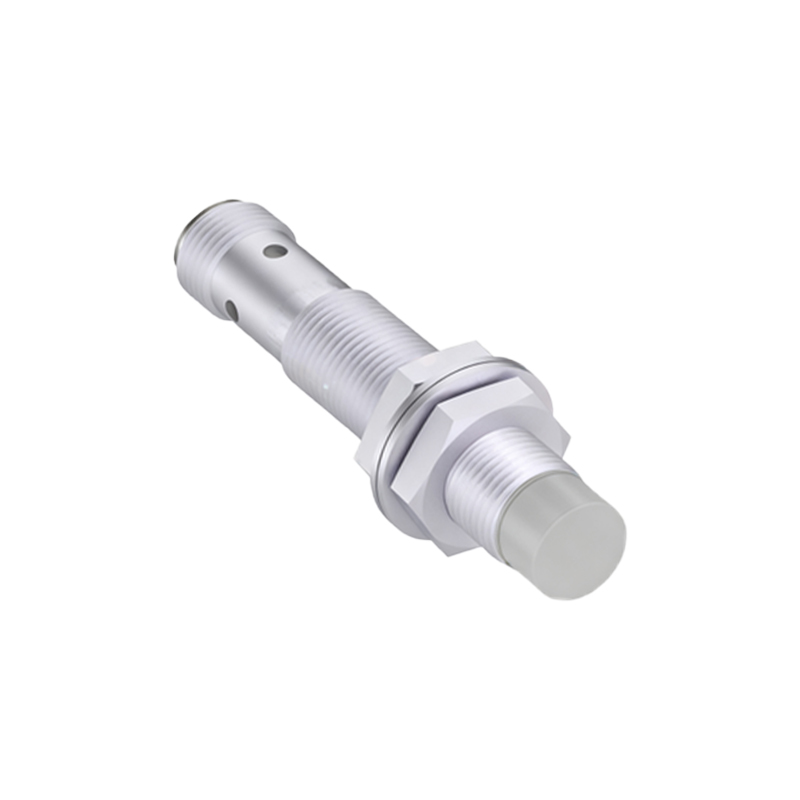
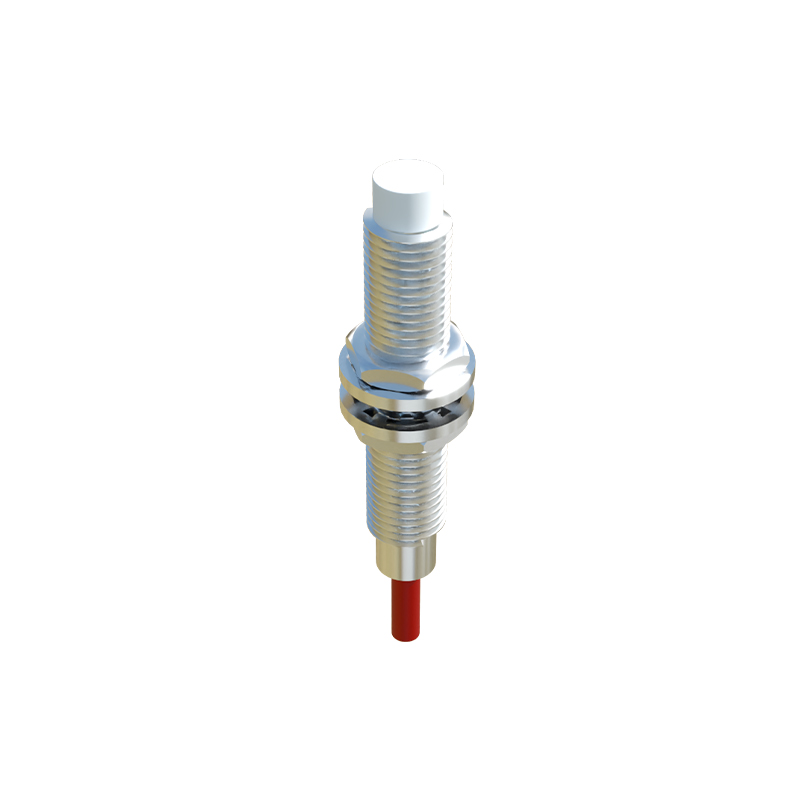
The physical design of the sensor is another crucial aspect of customization. The standard cylindrical or rectangular housing may not fit the spatial constraints of specialized machinery. Engineers work to develop compact, low-profile, or oddly shaped housings from materials like stainless steel, specialized plastics, or anodized aluminum to withstand specific industrial hazards. This includes designing for high-pressure washdowns in food and beverage plants, resistance to corrosive chemicals, or protection against heavy vibration and shock in material handling. The connector type, cable length, and ingress protection (IP) rating (e.g., IP67, IP69K) are all specified to ensure seamless and robust integration into the customer's existing infrastructure.
Perhaps one of the most significant advantages of opting for batch customization is the optimization of the sensing algorithm embedded in the sensor's firmware. Standard sensors use generalized logic, but a customized batch can be programmed with application-specific logic. This includes advanced functions like background suppression for ignoring distant objects, precise windowing to detect objects only within a defined near-far range, or specialized filtering to ignore fast-moving background interference. For high-speed bottling lines or electronics assembly, response time can be fine-tuned to the microsecond level, ensuring no bottleneck in production throughput.
The economic and operational rationale for batch customization is compelling for original equipment manufacturers (OEMs) and large-scale end-users. While the initial unit cost may be higher than a standard sensor, the total cost of ownership decreases significantly. Custom sensors eliminate the need for external mounting brackets, protective enclosures, or additional signal conditioning modules. They reduce installation time, minimize calibration efforts, and, most importantly, enhance system reliability by being perfectly matched to the task. This leads to fewer false triggers, reduced downtime, and higher overall equipment effectiveness (OEE).
In conclusion, the batch customization of laser proximity sensors represents a strategic partnership between sensor manufacturers and industrial clients. It moves beyond a simple component supply to a co-engineering process aimed at solving unique challenges. By specifying exact optical, electrical, mechanical, and software parameters, businesses can deploy sensing solutions that are not merely adequate but optimal. This tailored approach is fundamental to building resilient, efficient, and intelligent automated systems capable of meeting the rigorous demands of modern high-volume manufacturing, logistics, and beyond.