In the realm of industrial automation, proximity sensors stand as fundamental components for non-contact object detection. Among the various technologies employed, photoelectric proximity sensors offer distinct advantages in versatility, precision, and range. This article delves into the operational principles, key types, and critical application considerations for photoelectric proximity sensors.
At its core, a photoelectric sensor operates by emitting a beam of light (visible red, infrared, or laser) from a transmitter and detecting changes in the received light at a receiver. The detection principle hinges on how the target object interacts with this light beam. The three primary operating modes are through-beam, retro-reflective, and diffuse reflective.
Through-beam sensors, also known as opposed-mode sensors, consist of separate transmitter and receiver units positioned opposite each other. The detection occurs when an object interrupts the light beam traveling from the transmitter to the receiver. This configuration offers the longest sensing ranges and highest reliability, as it is largely immune to the object's color, surface finish, or angle. It is ideal for precise detection in packaging machinery or safety light curtains.
Retro-reflective sensors house both the emitter and receiver in a single housing. They rely on a reflector, typically a corner-cube prism, to bounce the emitted light back to the receiver. An object is detected when it blocks this reflected beam. These sensors provide a good balance of range and convenience, simplifying installation compared to through-beam models. However, they can be fooled by highly reflective objects that might mimic the reflector's function, a problem often mitigated with polarization filters.
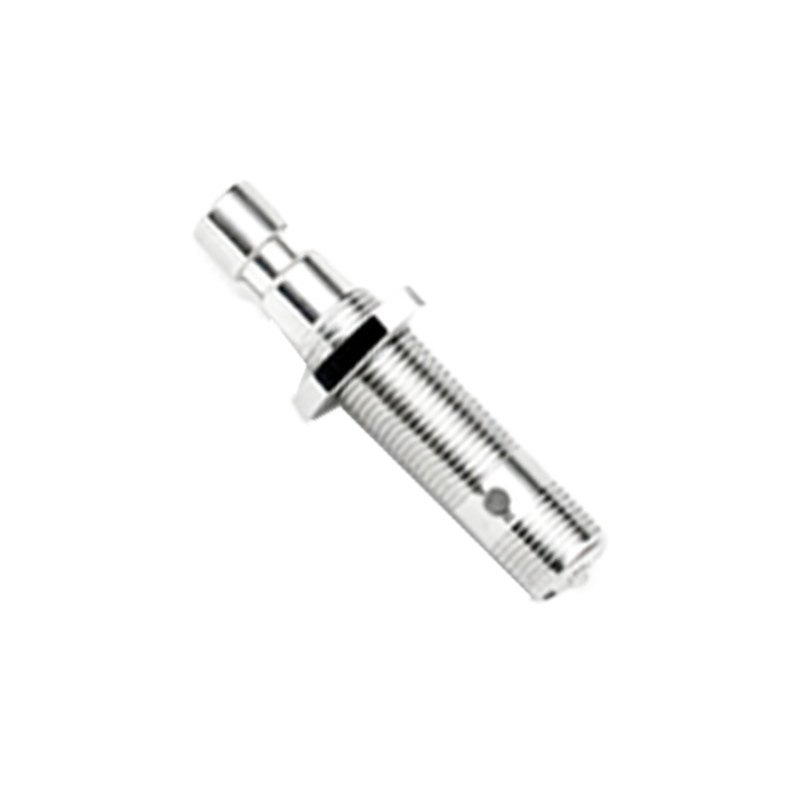
Diffuse reflective sensors, or proximity-mode sensors, also integrate the emitter and receiver. They detect an object by measuring the light reflected directly off the target's surface. The sensing distance is heavily dependent on the target's size, color, and surface texture—light-colored, matte surfaces reflect better than dark, shiny ones. These are the most common and compact type, used for short-range detection like part presence on a conveyor.
Beyond the basic modes, advanced features define modern photoelectric sensors. Background suppression (BGS) is a sophisticated form of diffuse sensing that uses triangulation to detect objects only within a precise, defined distance, ignoring surfaces beyond the set range. This is crucial for detecting objects against a varying or distant background. Contrast sensors are specialized for detecting marks or print on materials by measuring the difference in reflectivity. Fiber optic units allow the sensing head to be placed in extremely tight, hot, or hazardous locations, with the amplifier situated remotely.
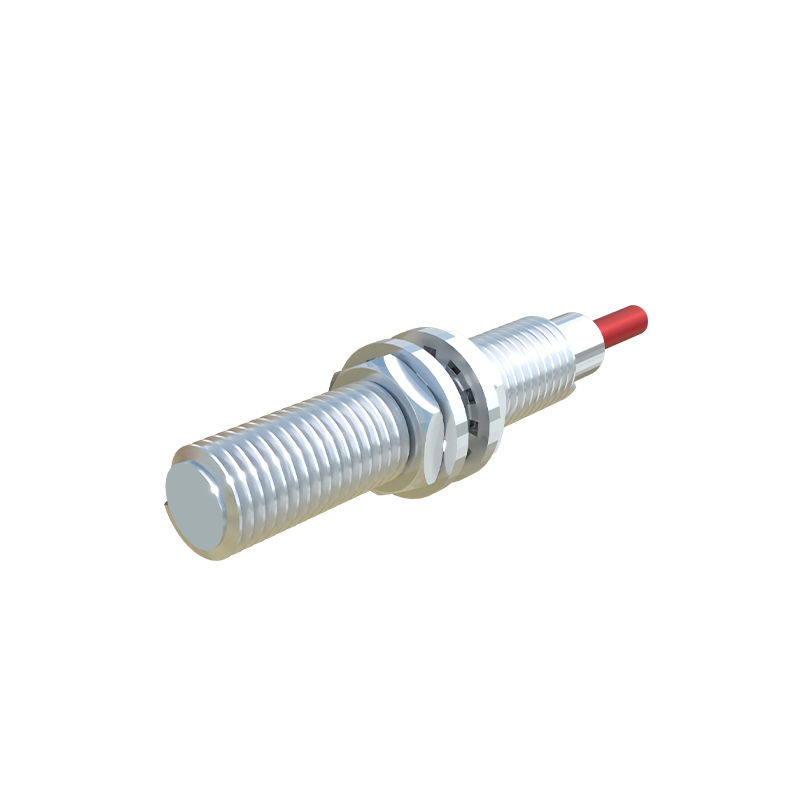
Selecting the appropriate photoelectric sensor requires careful analysis of the application. Key parameters include sensing distance, required response time, environmental conditions (presence of dust, fog, or ambient light), and target characteristics. For instance, a clear glass bottle on a filling line may be invisible to a standard diffuse sensor but easily detected by a through-beam or a specialized polarized retro-reflective sensor. Similarly, in dusty environments, sensors with modulated LED light and synchronous detection circuits are essential to reject ambient light interference.
Maintenance and setup are straightforward but vital. Regular lens cleaning ensures optimal performance. Many modern sensors feature teach-in functions or potentiometers for easy range adjustment and built-in LED indicators for status monitoring. The output, typically NPN/PNP transistor or analog, must be correctly interfaced with the programmable logic controller (PLC) or other control systems.
In conclusion, photoelectric proximity sensors are indispensable tools for enabling precise, reliable, and non-contact detection across countless industrial processes. From simple part counting to complex robotic guidance, understanding their operating modes, capabilities, and limitations is key to designing efficient and robust automation systems. Their continued evolution, incorporating features like IO-Link for digital communication and enhanced environmental robustness, ensures they will remain at the forefront of industrial sensing technology.