In the realm of industrial automation and machine safety, the 12V proximity sensor stands as a fundamental and ubiquitous component. Its primary function is to detect the presence or absence of an object without any physical contact, providing a reliable and non-intrusive method for position sensing, counting, and object detection. The 12V DC operating voltage has become a de facto standard in many control systems, offering an optimal balance between safety, compatibility, and performance.
A proximity sensor operating on 12V DC typically functions by generating an electromagnetic field or a beam of electromagnetic radiation (such as infrared light). When a target object enters this field, it causes a change in the sensor's oscillation or the return signal. This change is then processed by the sensor's internal circuitry, which triggers a solid-state output switch. The output is usually in the form of a PNP (sourcing) or NPN (sinking) transistor, providing a clean switching signal compatible with Programmable Logic Controllers (PLCs), relays, and other control devices. The 12V rating refers to the supply voltage required for the sensor's electronics, and it is crucial to match this with the control system's voltage to ensure proper operation and avoid damage.
There are several key technologies employed in 12V proximity sensors, each suited to different applications. Inductive sensors are the most common for detecting metallic objects. They generate an oscillating electromagnetic field and detect eddy current losses induced in a metal target. These are ideal for harsh environments as they are resistant to dust, oil, and moisture. Capacitive sensors, on the other hand, can detect both metallic and non-metallic materials (like plastics, wood, or liquids) by sensing changes in capacitance. Photoelectric sensors use a light beam (often infrared) and are excellent for long-range detection or sensing small objects. Ultrasonic sensors use sound waves and are effective for distance measurement and detecting objects with varied surfaces.
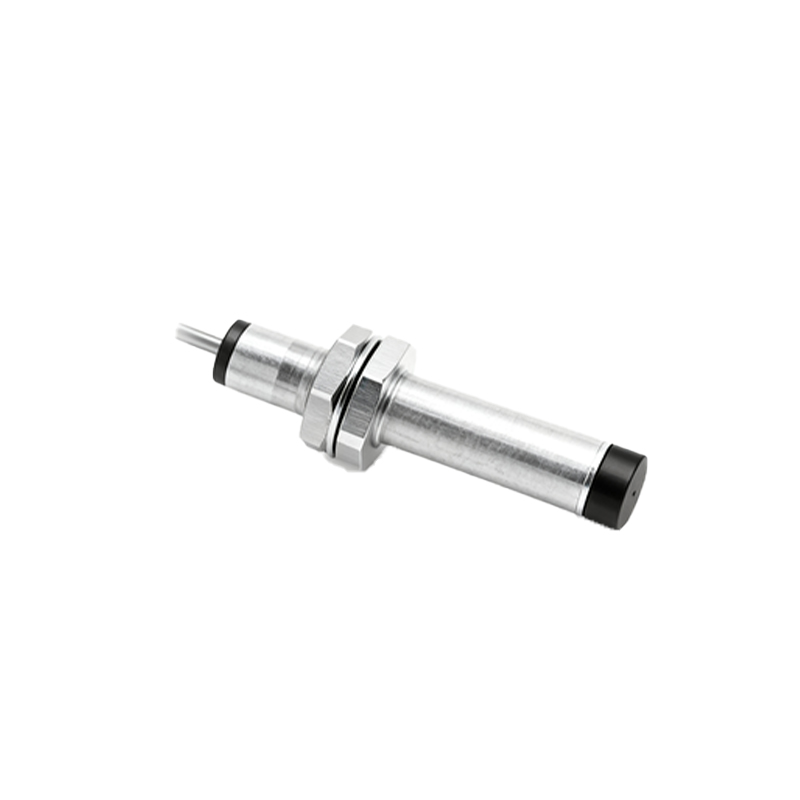
The selection of a 12V proximity sensor for a specific task involves careful consideration of several parameters. Sensing range, defined as the maximum distance at which the sensor can reliably detect a standard target, is paramount. Factors like target material, size, and shape significantly affect this range. For inductive sensors, the target must be ferrous or non-ferrous metal of sufficient size. Another critical specification is the output configuration (PNP vs. NNP) and the type (NO - Normally Open or NC - Normally Closed). The housing material, typically nickel-plated brass, stainless steel, or PBT plastic, must be chosen based on the environmental conditions, including exposure to chemicals, temperature extremes, and physical impact. The IP (Ingress Protection) rating, such as IP67 or IP69K, indicates the level of protection against dust and water, which is vital for washdown areas or outdoor use.
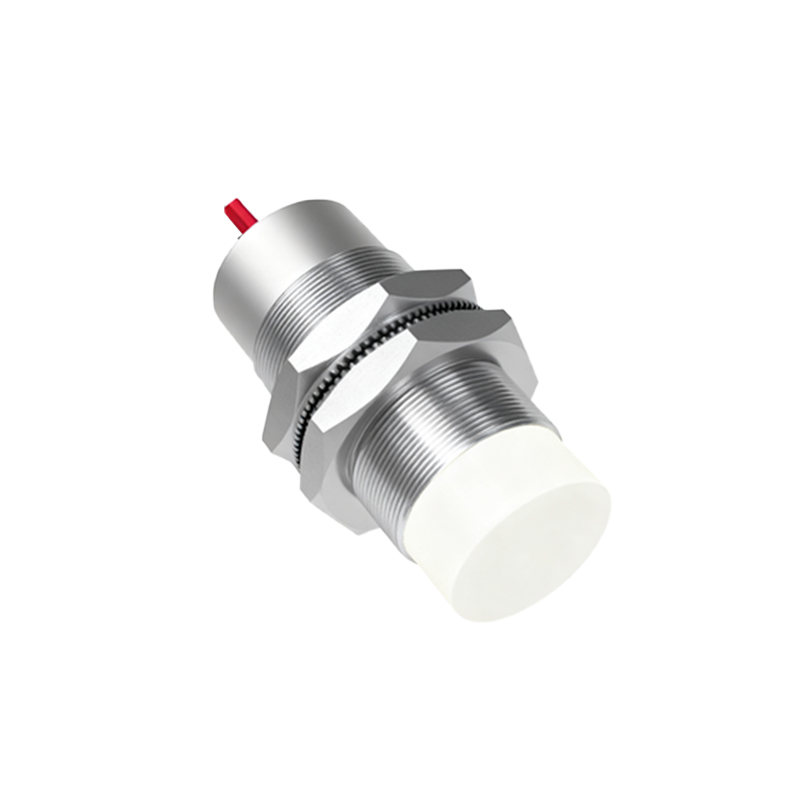
The advantages of using 12V DC proximity sensors are numerous. Their non-contact nature eliminates mechanical wear and tear, leading to exceptionally long service life and high reliability. They offer fast response times, often in the microsecond range, enabling high-speed counting and positioning in automated machinery. Their solid-state design makes them resistant to vibration and shock. Furthermore, the 12V DC supply is considered a safe low voltage in many jurisdictions, reducing risks in control panels and on machine surfaces. The widespread adoption of 24V DC in industrial controls also means 12V sensors often integrate seamlessly through simple voltage regulation or compatible PLC input modules designed for a range of DC voltages.

Typical applications are vast and span across all industries. In automotive manufacturing, they are used for robot positioning, part presence verification on conveyor lines, and end-of-arm tooling. In packaging machinery, they count bottles, detect fill levels, and control gate positions. In material handling, they monitor pallet positions, control stack height, and provide safety interlock signals. Their robustness also makes them suitable for agricultural equipment, mobile machinery, and automated storage and retrieval systems.
Installation and wiring are straightforward but require attention to detail. It is essential to follow the manufacturer's datasheet for wiring the brown wire (typically +V), blue wire (0V or common), and black wire (output). Proper shielding and separation from high-voltage power lines are necessary to prevent electrical noise interference. Regular maintenance is minimal but should include periodic cleaning of the sensing face to remove debris, buildup of metal chips, or oil film that could attenuate the sensing field, and verification of the mounting alignment and tightness.
In conclusion, the 12V proximity sensor is a versatile, robust, and indispensable workhorse in modern industrial systems. Its design, centered on a reliable and safe operating voltage, provides a critical interface between the physical movement of machinery and the digital control system. Understanding its operating principles, types, and selection criteria empowers engineers and technicians to design more efficient, reliable, and