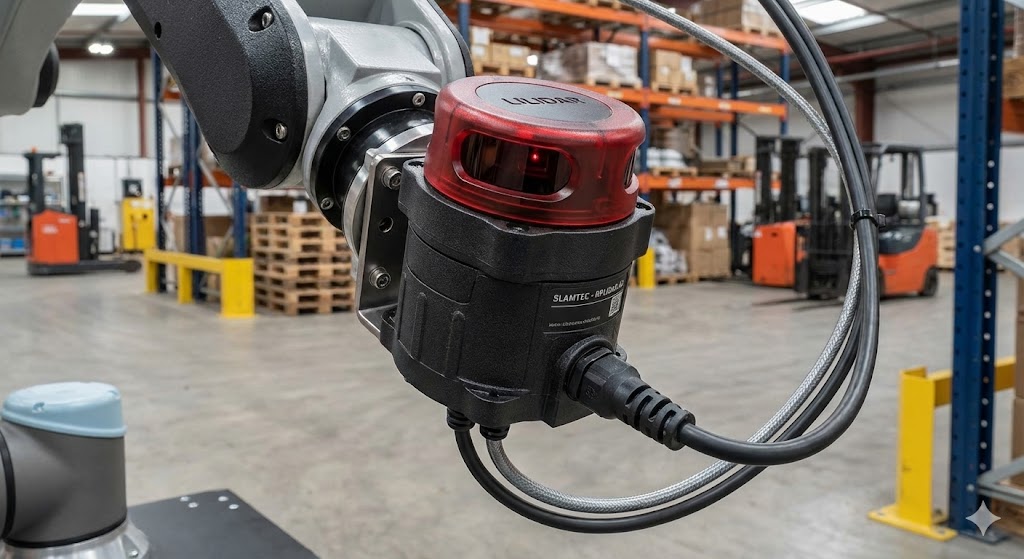
In the realm of industrial automation and precision engineering, the demand for accurate, reliable, and efficient distance measurement solutions is paramount. Shulan laser distance sensors have emerged as a critical technology, offering unparalleled performance across a diverse range of applications. These sensors operate on the principle of time-of-flight or phase-shift measurement, emitting a laser beam towards a target and calculating the distance based on the time or phase difference of the reflected signal. This non-contact measurement method ensures high precision without physical wear, making it ideal for environments where contact-based sensors would fail or degrade rapidly.
The core advantages of Shulan laser distance sensors lie in their exceptional accuracy, often reaching sub-millimeter levels, and their long operational range, which can extend to several hundred meters depending on the model. They exhibit remarkable stability under varying environmental conditions, including temperature fluctuations and ambient light interference, thanks to advanced signal processing algorithms and robust housing designs. Industries such as automotive manufacturing utilize these sensors for precise part alignment and gap inspection, while in logistics and warehousing, they facilitate automated dimensioning and inventory management. The construction sector benefits from their use in crane positioning and level monitoring, ensuring safety and efficiency on site.
Furthermore, the integration of Shulan laser sensors with modern industrial networks, including IO-Link, PROFINET, and EtherNet/IP, enables seamless data communication for Industry 4.0 initiatives. This connectivity allows for real-time monitoring, predictive maintenance, and adaptive control systems, enhancing overall operational intelligence. When selecting a Shulan laser distance sensor, engineers must consider key parameters such as measurement range, resolution, response time, and the specific material or surface properties of the target. For instance, highly reflective or dark surfaces may require sensors with adjustable laser power or specialized filters to maintain accuracy.
Installation and calibration are straightforward but crucial steps. Proper alignment, secure mounting to minimize vibration, and regular calibration against known references ensure sustained performance. Maintenance typically involves keeping the lens clean from dust and debris, which can attenuate the laser signal. Compared to ultrasonic or inductive sensors, laser sensors provide superior precision and faster response, though they may come at a higher initial cost—a factor often justified by reduced downtime and improved product quality.

Looking ahead, advancements in Shulan laser technology are focusing on miniaturization, enhanced resistance to harsh industrial environments (e.g., IP67/IP69K ratings), and the incorporation of AI-driven analytics for smarter decision-making. As industries continue to automate and seek higher levels of precision, Shulan laser distance sensors are poised to remain indispensable tools, driving innovation in measurement and control systems worldwide. Their role in enabling accurate, non-contact measurement underscores their value in achieving operational excellence and competitive advantage in today's fast-paced industrial landscape.