Proximity sensors are essential components in modern industrial automation, offering non-contact detection of objects within a specific range. These devices are widely used in manufacturing, robotics, automotive systems, and safety applications due to their reliability, durability, and precision. Understanding the different types of proximity sensors, along with high-definition images for visual reference, is crucial for engineers and technicians in selecting the right sensor for their needs. This article provides a detailed overview of common proximity sensor types, accompanied by descriptions that highlight their working principles, typical applications, and key features.
Inductive Proximity Sensors: These sensors detect metallic objects without physical contact. They operate by generating an electromagnetic field. When a metal object enters this field, it induces eddy currents, causing a change in the oscillation amplitude. This change is detected by the sensor's circuit, triggering an output signal. Inductive sensors are ideal for harsh environments, as they are resistant to dust, dirt, and moisture. High-definition images typically show cylindrical or rectangular housings, often made of stainless steel or nickel-plated brass, with LED indicators for status monitoring. Common applications include position sensing in machinery, metal detection in conveyor systems, and part counting in assembly lines.
Capacitive Proximity Sensors: Unlike inductive sensors, capacitive types can detect both metallic and non-metallic materials, such as plastics, liquids, glass, and wood. They work by measuring changes in capacitance between the sensor and the target object. When an object approaches, it alters the dielectric constant of the sensor's electrostatic field, leading to a detectable change. Capacitive sensors often feature adjustable sensitivity to accommodate different materials and distances. Images display sensors with plastic or ceramic faces, which help in focusing the field. They are commonly used in level detection for tanks, material handling, and packaging industries where diverse materials are present.
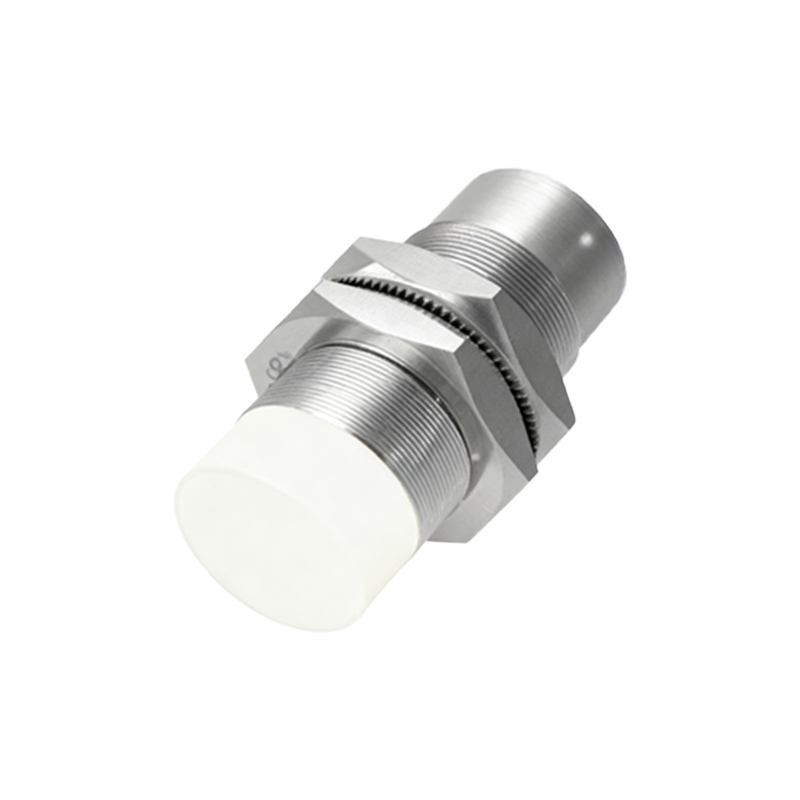
Ultrasonic Proximity Sensors: These sensors use sound waves to detect objects, making them suitable for a wide range of materials, regardless of color or transparency. They emit high-frequency ultrasonic pulses and measure the time taken for the echo to return after hitting an object. This time-of-flight principle allows for accurate distance measurement. High-definition visuals often show sensors with transducers for emitting and receiving sound waves, housed in robust enclosures for industrial use. Applications include object detection in automated guided vehicles (AGVs), liquid level sensing, and collision avoidance in robotics.
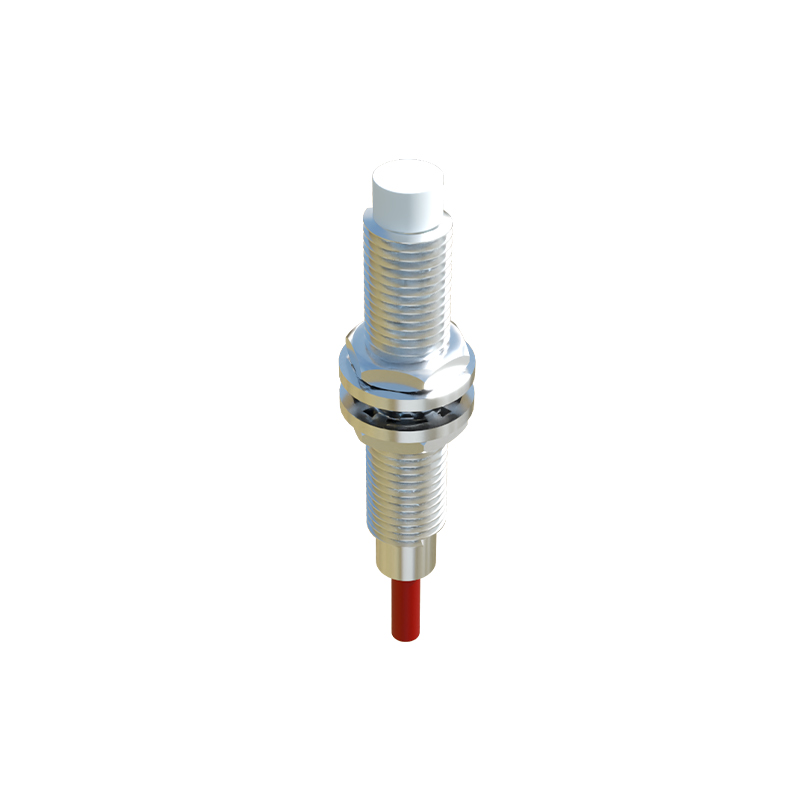
Magnetic Proximity Sensors: Designed to detect permanent magnets, these sensors rely on the Hall effect or reed switch technology. When a magnet approaches, it triggers a change in the sensor's magnetic field, activating the output. Magnetic sensors are known for their simplicity and reliability, often used in applications where other sensors might fail due to environmental factors. Images depict compact designs, sometimes with threaded barrels for easy installation. They are frequently employed in position sensing for cylinders, door and window security systems, and automotive applications like gear position detection.
Photoelectric Proximity Sensors: These sensors use light beams to detect objects. They consist of a light emitter (usually LED) and a receiver. When an object interrupts or reflects the light beam, the sensor detects the change and produces an output signal. Photoelectric sensors come in various configurations: through-beam, retro-reflective, and diffuse reflective. High-definition pictures highlight the optical components and housing, often with alignment indicators for precise setup. They excel in detecting small or transparent objects, making them popular in packaging, printing, and electronic assembly lines.
When reviewing high-definition images of proximity sensors, key aspects to note include the sensor's form factor (e.g., cylindrical, rectangular), mounting options (e.g., threaded, bracket-based), connection types (e.g., cable, connector), and environmental ratings (e.g., IP67 for dust and water resistance). Visual aids help in identifying features like sensing ranges, output types (PNP/NPN), and indicator LEDs, which are vital for integration into control systems.
In summary, proximity sensors vary significantly based on technology and application. Inductive and capacitive sensors are prized for material-specific detection, while ultrasonic and photoelectric sensors offer versatility across different surfaces. Magnetic sensors provide robust performance in magnetic environments. High-definition images serve as valuable tools for engineers to compare designs, ensure proper installation, and troubleshoot issues. As automation advances, the demand for precise and reliable proximity sensing continues to grow, driving innovation in sensor technology and imaging for clearer visual documentation. Always consult manufacturer datasheets and guidelines when selecting sensors, considering factors like sensing distance, response time, and environmental conditions to achieve optimal performance in industrial settings.