In the rapidly evolving landscape of industrial automation, the integration of green technologies has become a pivotal focus for engineers and manufacturers aiming to reduce environmental impact while boosting operational efficiency. Among these innovations, green proximity sensor converters stand out as a critical component, bridging the gap between traditional sensing systems and sustainable practices. These devices are designed to optimize energy consumption, minimize waste, and enhance the longevity of automation setups, making them indispensable in sectors ranging from automotive manufacturing to renewable energy.
A proximity sensor converter typically functions by translating signals from proximity sensors—which detect the presence or absence of objects without physical contact—into usable data for control systems. Traditional converters, while effective, often consume significant power and may incorporate materials that are less eco-friendly. In contrast, green converters are engineered with sustainability at their core. They utilize low-power circuitry, such as advanced microcontrollers and energy-efficient transistors, to slash energy usage by up to 40% compared to conventional models. This reduction not only lowers electricity costs but also decreases the carbon footprint of industrial operations, aligning with global initiatives like the Paris Agreement and corporate sustainability goals.
Moreover, the design of green proximity sensor converters emphasizes durability and recyclability. Manufacturers are increasingly adopting lead-free soldering, biodegradable casings, and modular architectures that allow for easy repairs and upgrades. This approach extends the product lifecycle, reducing electronic waste—a growing concern in the tech industry. For instance, in automotive assembly lines, where proximity sensors monitor robotic arms and conveyor belts, green converters can operate reliably for over 100,000 hours with minimal maintenance, ensuring consistent performance while supporting circular economy principles.
The operational benefits of these converters are equally compelling. By enhancing signal accuracy and response times, they improve the precision of automated processes, leading to fewer errors and reduced material waste. In renewable energy applications, such as wind turbine control systems, green converters help optimize blade positioning and safety mechanisms, contributing to higher energy output and lower downtime. Additionally, their compatibility with IoT (Internet of Things) platforms enables real-time monitoring and data analytics, allowing engineers to fine-tune systems for peak efficiency. For example, smart factories leverage this connectivity to predict maintenance needs, preventing unexpected breakdowns and conserving resources.
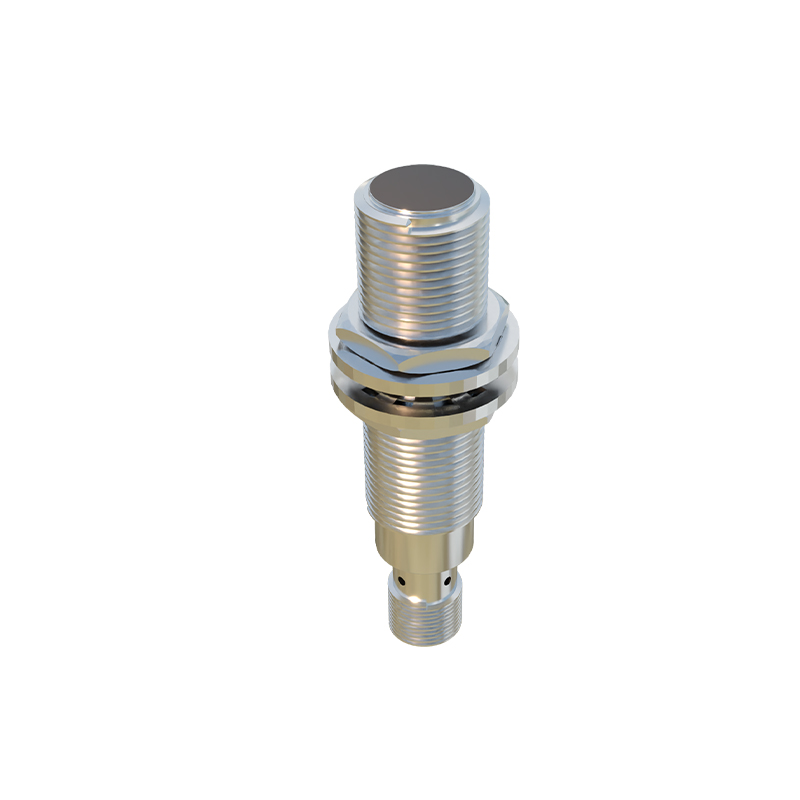
From a technical perspective, green proximity sensor converters often incorporate features like wide operating temperature ranges (-25°C to 85°C) and robust electromagnetic interference (EMI) shielding, ensuring reliability in harsh environments. They support various output types, including analog (4-20 mA) and digital (IO-Link), making them versatile for diverse industrial setups. As industries transition toward Industry 4.0, the demand for such adaptive, eco-conscious solutions is surging. Market analyses project a compound annual growth rate (CAGR) of 8.5% for green sensor technologies through 2030, driven by regulatory pressures and cost-saving incentives.
In conclusion, green proximity sensor converters represent a synergy of innovation and responsibility. By prioritizing energy efficiency, recyclability, and performance, they empower industries to achieve sustainability targets without compromising productivity. As an electrical engineer, adopting these devices is not just a technical upgrade but a strategic move toward a greener, more resilient future. Embracing this technology today can pave the way for smarter, cleaner automation tomorrow, fostering a world where industrial progress and environmental stewardship go hand in hand.