Laser sensors are indeed real and widely used across various industries, from manufacturing and robotics to consumer electronics and automotive systems. The concept might sound futuristic, but the technology is grounded in well-established physics and has been commercially available for decades. This article explores the reality of laser sensors, their fundamental principles, and the reasons behind their widespread adoption.
At its core, a laser sensor is a device that uses a focused beam of light—specifically, laser light—to detect, measure, or profile an object. The term "laser" stands for Light Amplification by Stimulated Emission of Radiation. Unlike ordinary light, laser light is coherent, meaning its waves are in phase and have a single wavelength. This coherence allows it to be focused into an extremely tight, precise beam that can travel long distances with minimal spreading. This property is fundamental to how laser sensors operate with high accuracy.
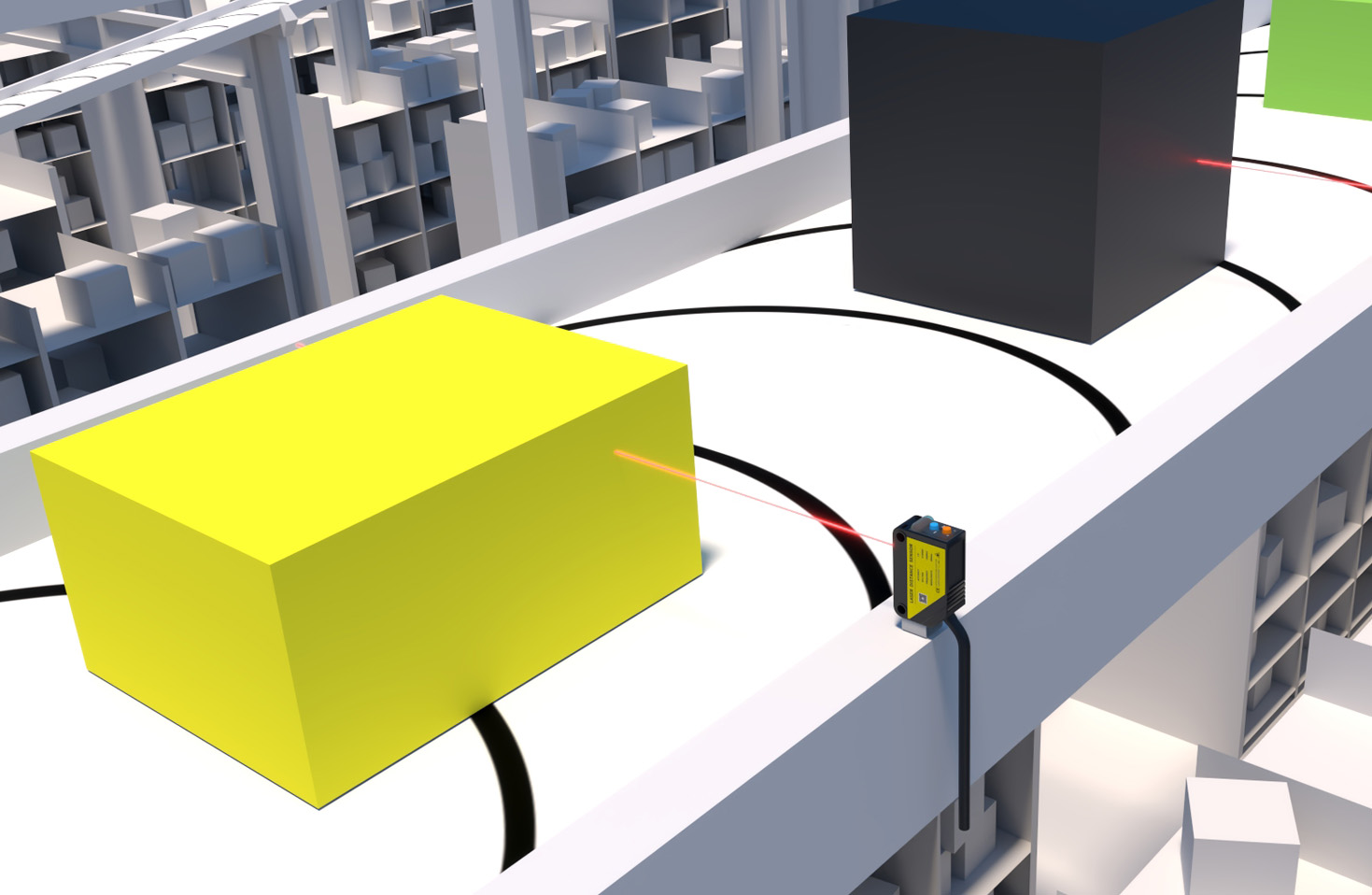
The most common working principle for distance or presence detection is triangulation or time-of-flight measurement. In a triangulation sensor, the laser emitter projects a dot onto a target. A receiver lens, positioned at a known angle from the emitter, captures the reflection. The position of the reflected spot on the receiver's sensor shifts depending on the target's distance. By calculating this shift, the sensor determines the exact distance. Time-of-flight sensors, on the other hand, measure the time it takes for a laser pulse to travel to the target and back. Since the speed of light is constant, the distance can be calculated precisely.
So, why are laser sensors so prevalent? The answer lies in their unparalleled advantages. First is precision. They can detect minute changes in position, often on the scale of micrometers, making them indispensable in quality control for semiconductor manufacturing or precision assembly. Second is speed. Laser light travels at, well, the speed of light, enabling incredibly fast measurements suitable for high-speed production lines. Third is non-contact measurement. The sensor does not need to touch the object being measured, which is crucial for delicate surfaces, hot materials, or fast-moving objects. This eliminates wear and tear on both the sensor and the target.
Furthermore, laser sensors are highly reliable and can operate in challenging environments where other sensors might fail. They are relatively unaffected by ambient light, dust, or color variations of the target object, especially when using specialized wavelengths or modulation techniques. This robustness makes them ideal for harsh industrial settings.

Applications are everywhere. In your smartphone, a laser autofocus sensor helps the camera focus almost instantaneously. Automotive companies use LiDAR (Light Detection and Ranging), a type of laser sensor, for advanced driver-assistance systems (ADAS) and autonomous vehicle navigation, creating a 3D map of the surroundings. In warehouses, laser scanners read barcodes from a distance with speed and accuracy. Factories use them for robot guidance, contour profiling, and thickness measurement.

The development of laser diodes, which are small, efficient, and cost-effective, has driven the miniaturization and affordability of laser sensors, pushing them into more and more consumer and industrial products. While the underlying science is complex, the implementation has become streamlined and accessible.
In conclusion, laser sensors are not only real but are a critical, mature technology shaping modern automation and measurement. Their existence is not a matter of science fiction but of practical engineering, leveraging the unique properties of laser light to solve real-world problems with speed, accuracy, and reliability that few other sensing technologies can match. Their continued evolution promises even greater integration into our daily lives and industrial processes.