In the realm of industrial automation and electrical control systems, proximity switch sensors are indispensable components for non-contact detection. While much attention is given to the sensor's sensing range, output type, and housing material, the specifications of the mounting nuts are often overlooked. This oversight can lead to installation issues, compromised sensor performance, or even mechanical failure. This guide delves into the critical aspects of proximity switch sensor nut specifications, providing electrical engineers and maintenance professionals with the essential knowledge for proper selection and application.
The primary function of the nut on a cylindrical proximity sensor (e.g., M8, M12, M18, M30 threaded types) is to secure the sensor firmly in its mounting location, typically a drilled and tapped hole or a separate mounting bracket. The nut counteracts vibration, mechanical shock, and any axial forces that might attempt to dislodge the sensor during operation. Therefore, its specifications are not arbitrary but are integral to the sensor's reliability.
Key Nut Specification Parameters:
1. Thread Specification: This is the most fundamental parameter and must exactly match the sensor's body thread. Common metric thread sizes include M8x1, M12x1, M18x1.5, and M30x1.5. The first number denotes the major diameter in millimeters, and the second is the pitch (distance between threads). Using an incorrect thread size will prevent proper installation. Unified National Fine (UNF) threads are also used in some regions and applications.
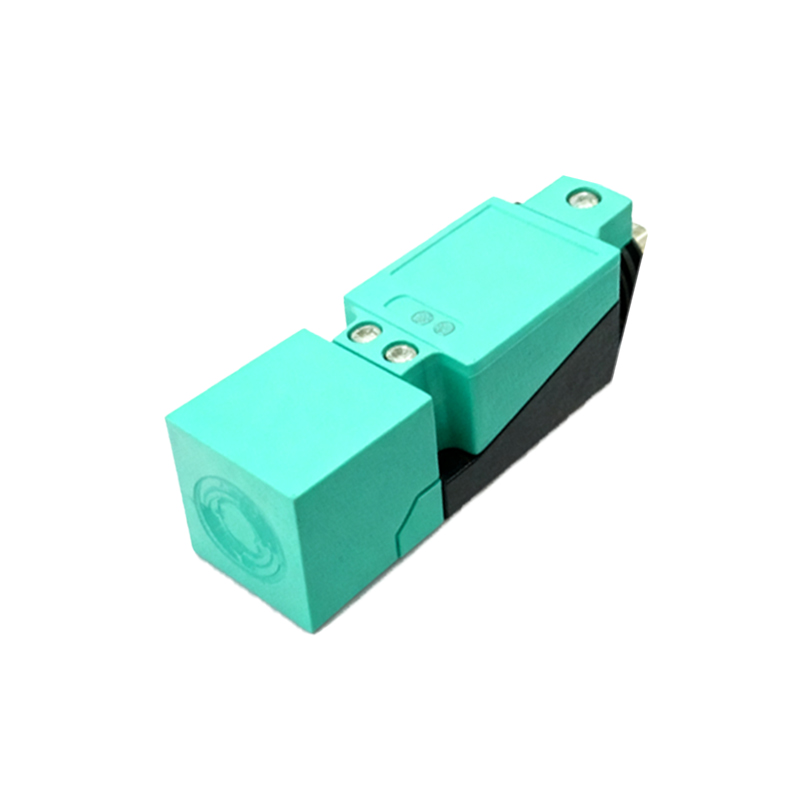
2. Material and Finish: Sensor nuts are typically manufactured from metals that offer a balance of strength, corrosion resistance, and cost.
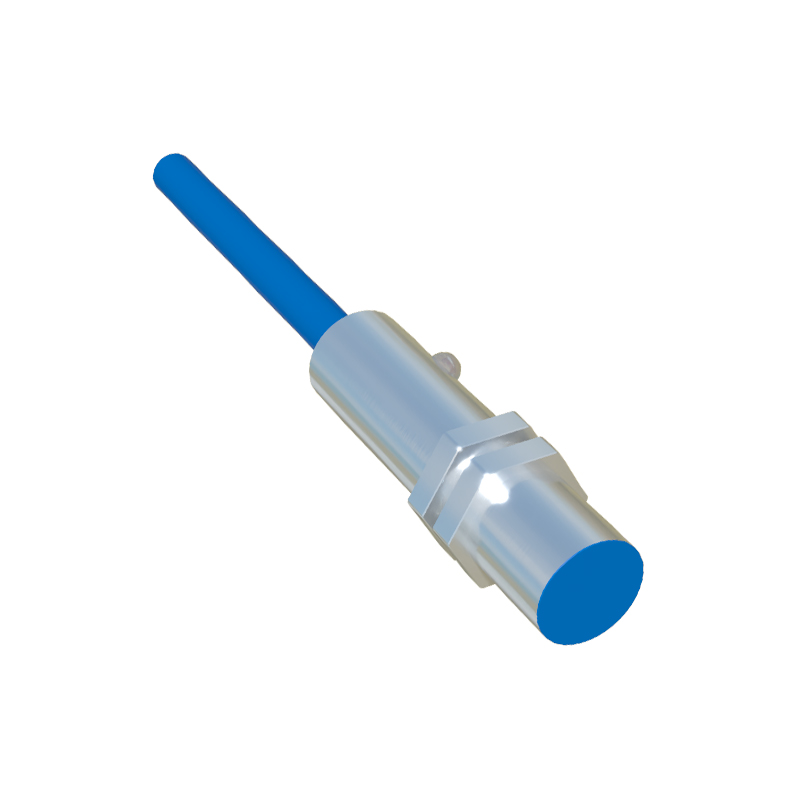
Steel, Zinc-Plated: This is the most common and economical choice. The zinc plating provides a basic level of corrosion resistance for general indoor industrial environments.
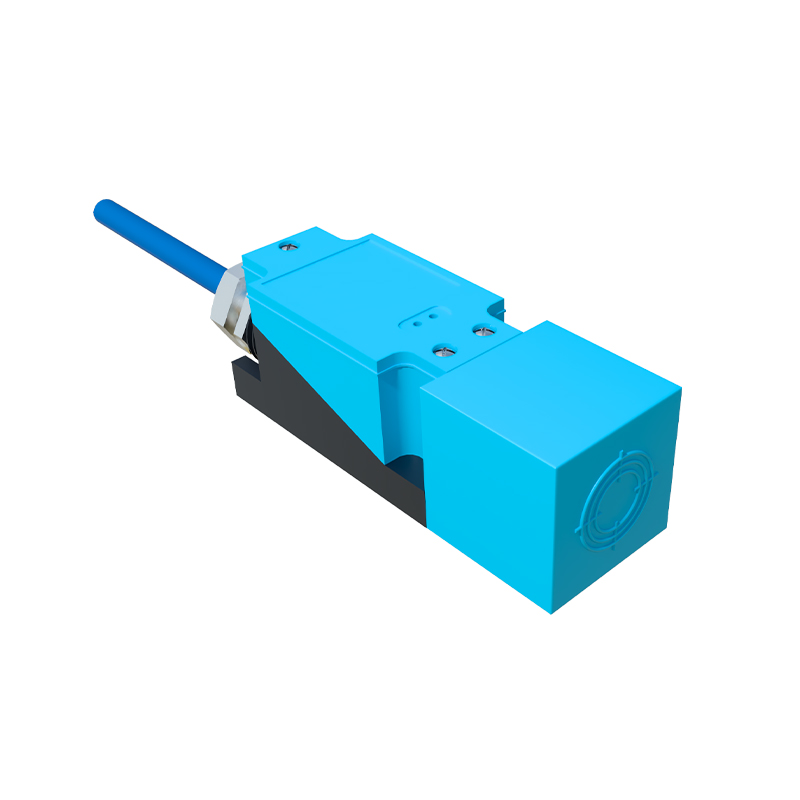
Stainless Steel (e.g., AISI 304 or 316): Used in applications requiring high corrosion resistance, such as food and beverage processing, chemical plants, washdown areas, and outdoor installations. SS316 offers superior resistance to chlorides and acids compared to SS304.
Brass: Sometimes used in specific environments where non-magnetic properties or particular corrosion resistance is needed, though less common than steel or stainless steel.
3. Nut Style and Dimensions:
Hex Nut: The standard style, available in various widths across flats (e.g., 13mm for M12, 17mm for M18). A standard wrench or socket is used for tightening.
Flange Nut: Incorporates an integrated wide flange at its base. This flange distributes the clamping force over a larger area, providing greater stability, reducing the risk of damaging softer mounting panels, and offering better resistance to loosening from vibration.
Slotted Nut / Castle Nut: Features slots on one end to be used with a cotter pin or safety wire, providing a positive locking mechanism in high-vibration or critical safety applications to prevent any possibility of rotation.
Thin Jam Nut: A thinner nut used as a locknut against the primary securing nut to prevent loosening.
4. Strength Grade (For Steel Nuts): Metric nuts are classified by property classes such as 4, 5, 6, 8, 10, and 12. A class 8.8 nut is standard for many sensor applications. Higher numbers indicate greater tensile strength. This is less frequently specified for sensor nuts but can be relevant in high-stress applications.
5. Recommended Tightening Torque: While often not stamped on the nut itself, the sensor manufacturer's datasheet should provide a recommended installation torque. Over-tightening can strip threads (in the sensor body or the mounting hole) or distort the sensor housing, potentially affecting performance. Under-tightening leads to loosening. Typical values range from 5-10 Nm for an M12 sensor to 20-40 Nm for an M30 sensor, but always consult the manufacturer's documentation.
Selection and Installation Best Practices:
Consult the Datasheet: Always refer to the sensor's official technical datasheet. It will specify the exact thread size and often the included nut's material and style.
Match the Environment: Select the nut material to suit the operating environment. A stainless steel nut is mandatory for corrosive or washdown environments, even if the sensor housing is stainless, to prevent galvanic corrosion and ensure consistent durability.
Consider Vibration: In high-vibration environments (e.g., on presses, conveyors, or heavy machinery), specify or upgrade to flange nuts, use a thread-locking adhesive, or employ a slotted nut with a locking pin.
Use Appropriate Tools: Always use a correctly sized