Proximity sensors, a cornerstone of modern industrial automation, are non-contact position sensing devices that detect the presence or absence of an object within a defined sensing range without any physical contact. Their reliability, speed, and durability make them indispensable in countless applications, from assembly lines and robotic cells to packaging machinery and automotive manufacturing. Unlike mechanical limit switches, which require physical actuation, proximity switches operate on various physical principles, primarily inductive, capacitive, ultrasonic, and photoelectric methods, each suited to specific material types and environmental conditions.
Inductive proximity sensors are the most prevalent in metal-dominant industrial environments. They generate an electromagnetic field from a coil in the sensor's face. When a metallic target enters this field, it induces eddy currents, causing a change in the oscillation amplitude. This change is detected by the sensor's circuitry, triggering a solid-state output signal. Key characteristics include their ability to detect only ferrous and non-ferrous metals, insensitivity to non-metallic materials, high switching frequency, and exceptional resistance to dirt, dust, and moisture. Typical sensing ranges vary from a few millimeters to about 60 millimeters, with shielded versions allowing flush mounting in metal.
Capacitive proximity sensors, on the other hand, can detect both metallic and non-metallic materials, including liquids, powders, plastics, and glass. They function by generating an electrostatic field. Any object entering this field alters the capacitance of the sensor's circuit, triggering detection. This makes them ideal for applications like level detection in tanks (liquid or granular), detecting filled bottles on a conveyor, or sensing wood or cardboard. They are generally more sensitive to environmental factors like humidity and require careful tuning to avoid false triggers from background materials.
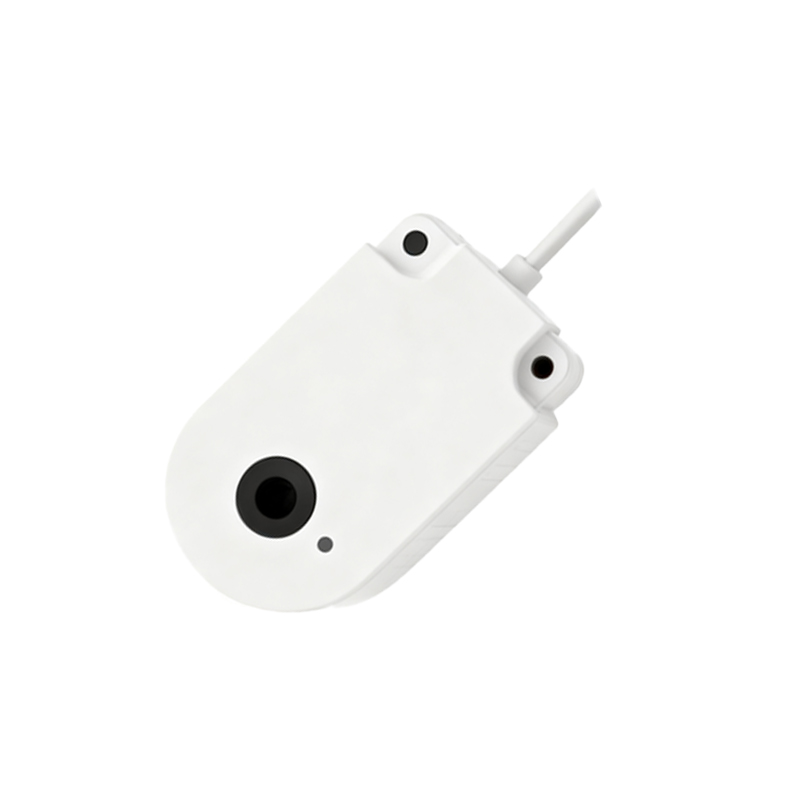
For longer-range detection and applications requiring shape or color recognition, photoelectric sensors are the preferred choice. They consist of a light emitter (usually LED) and a receiver. When the emitted light beam is interrupted or reflected by an object, the receiver detects the change, signaling the object's presence. They come in three main configurations: through-beam (separate emitter and receiver for longest range and highest reliability), retro-reflective (uses a reflector), and diffuse (reflects light off the target itself). While offering the longest sensing distances, they can be affected by ambient light, color, and surface reflectivity.
Ultrasonic sensors use sound waves beyond human hearing. They emit ultrasonic pulses and measure the time for the echo to return. This time-of-flight principle allows them to detect objects regardless of material, color, or transparency, and they are excellent for distance measurement and level sensing in challenging conditions, such as with clear glass or foamy liquids. However, they can be influenced by temperature variations, air turbulence, and highly absorbent surfaces.
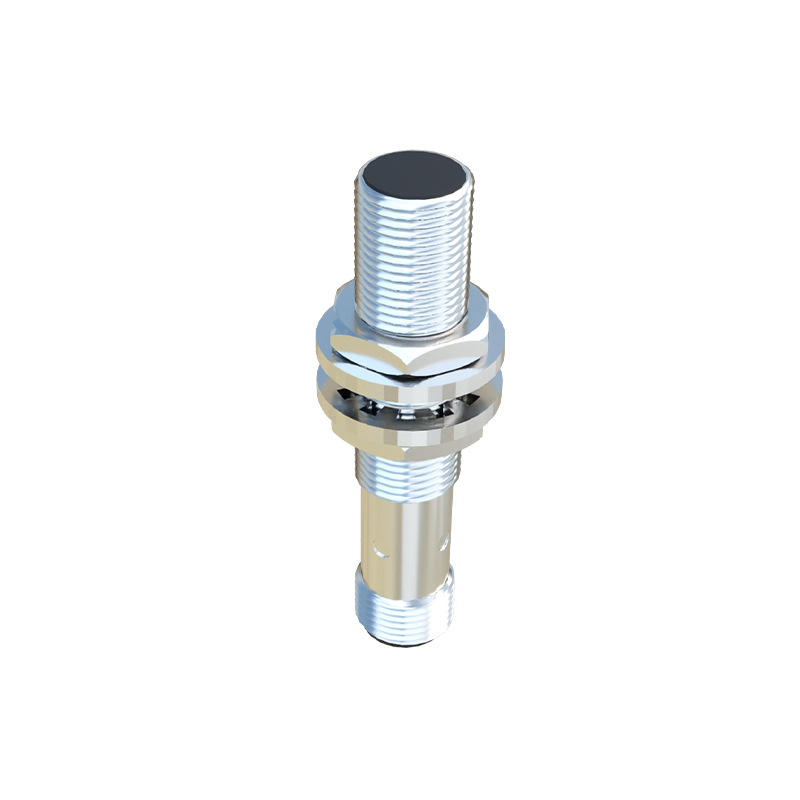
The selection of the appropriate proximity sensor hinges on several critical factors. The target material is paramount: inductive for metals, capacitive for nearly everything, photoelectric for precise light-based detection, and ultrasonic for material-independent ranging. The required sensing distance, environmental conditions (temperature, pressure, presence of washdown chemicals or oils), output type (PNP/NPN, NO/NC, analog), and electrical requirements (voltage, current) must all be carefully evaluated. Proper installation is equally crucial; maintaining the correct mounting distance, avoiding sensor-to-sensor interference, and ensuring the target approaches the sensor face correctly are vital for reliable operation.
In practice, inductive proximity switches are ubiquitous in CNC machines for tool positioning, in stamping presses for part ejection verification, and as safety interlocks on guards. Capacitive sensors monitor fill levels in food processing or detect plastic caps. Photoelectric sensors count boxes on high-speed conveyors or ensure correct label placement. Ultrasonic sensors manage bulk material levels in silos.
The evolution of Industry 4.0 and IIoT (Industrial Internet of Things) is further integrating these devices. Modern proximity sensors often feature IO-Link communication, enabling not just simple on/off signals but also the transmission of diagnostic data, parameter setting from a controller, and predictive maintenance alerts. This intelligence transforms them from simple binary switches into valuable data points within a connected factory ecosystem.
In conclusion, proximity position sensors are fundamental enabling technologies for automation. Their non-contact nature ensures minimal wear and tear, leading to high reliability and reduced maintenance costs. A thorough understanding of their operating principles, strengths, and limitations allows engineers to design robust, efficient, and intelligent automated systems. As technology advances, these sensors will continue to become smarter, more integrated, and more critical to achieving higher levels of precision, efficiency, and connectivity in industrial operations.