Laser methane sensors represent a significant advancement in gas detection technology, offering unparalleled precision and reliability for industrial safety. These devices operate on the principle of tunable diode laser absorption spectroscopy (TDLAS), a method that utilizes laser light to detect methane concentrations with high specificity and minimal interference from other gases. In industrial settings, such as oil and gas facilities, chemical plants, and mining operations, the accurate monitoring of methane is critical due to its flammable nature and potential as an asphyxiant. Traditional catalytic bead or infrared sensors, while effective, often face challenges like poisoning, drift, and cross-sensitivity. Laser methane sensors overcome these limitations by targeting the unique absorption lines of methane molecules in the near-infrared spectrum.
The core mechanism involves emitting a laser beam at a specific wavelength that methane absorbs strongly. As the light passes through the measurement area, methane molecules attenuate the beam proportionally to their concentration. A detector then analyzes the attenuated light, calculating methane levels based on absorption intensity. This process allows for real-time, continuous monitoring without physical contact with the gas, making it ideal for remote or hazardous locations. Key advantages include fast response times—often in seconds—long-term stability with minimal calibration needs, and immunity to environmental factors like humidity or dust. Additionally, laser sensors can measure methane over long distances, up to hundreds of meters, using open-path configurations for area monitoring or point sensors for localized detection.
In practice, laser methane sensors are deployed across various applications. For leak detection in pipelines or storage tanks, they provide early warnings, preventing accidents and reducing emissions. In confined spaces, such as underground mines or tunnels, they ensure worker safety by alerting to dangerous methane accumulations. The integration of these sensors with IoT platforms enables data logging, trend analysis, and automated alerts, enhancing overall safety management systems. Despite their higher initial cost compared to conventional sensors, the reduced maintenance and false alarm rates lead to lower total cost of ownership over time.
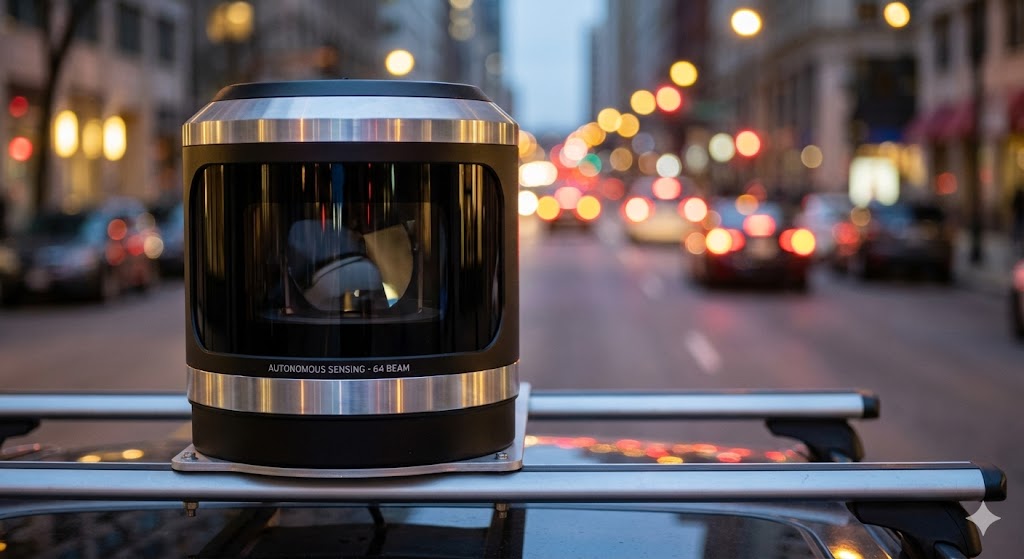
Future developments in laser methane sensing focus on miniaturization and enhanced connectivity. Advances in semiconductor lasers and photonics are driving down sizes and power consumption, allowing for portable or drone-mounted sensors for aerial surveys. Moreover, the adoption of machine learning algorithms can improve data interpretation, identifying patterns indicative of leaks or equipment failures. As industries prioritize safety and environmental compliance, laser methane sensors are poised to become a standard tool, offering a robust solution for methane detection in an increasingly complex industrial landscape.
Overall, laser methane sensors exemplify how cutting-edge technology can address longstanding safety challenges. By providing accurate, reliable, and efficient monitoring, they play a vital role in protecting assets, personnel, and the environment from methane-related risks.
