In the realm of industrial automation, proximity switches stand as indispensable components, enabling non-contact detection of objects with precision and reliability. As a seasoned electrical engineer specializing in sensor technology, I delve into the intricacies of these devices, highlighting their operational principles, diverse types, and critical applications, with a focus on innovations from industry leaders like Xiyi Sensors.
Proximity switches, often termed proximity sensors, function by emitting an electromagnetic field or beam and detecting changes caused by the presence of a target object. Unlike mechanical switches, they operate without physical contact, reducing wear and tear and enhancing longevity in harsh industrial environments. The core mechanism involves an oscillator circuit that generates a high-frequency field. When a metallic or non-metallic object enters this field, it induces eddy currents or alters capacitance, triggering a signal output. This output typically switches between on and off states, facilitating seamless integration into control systems for tasks such as position sensing, counting, and safety interlocks.
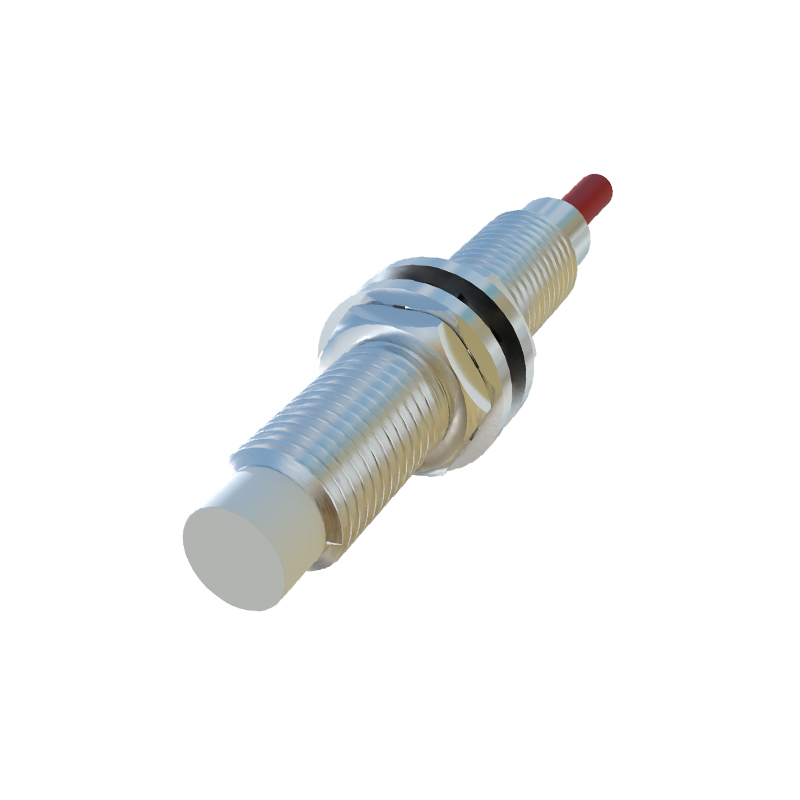
Xiyi Sensors offers a robust portfolio of proximity switches, categorized primarily into inductive, capacitive, and photoelectric types. Inductive proximity switches are tailored for detecting metallic objects, leveraging electromagnetic induction. They excel in applications involving ferrous and non-ferrous metals, with sensing ranges varying from a few millimeters to several centimeters. Capacitive proximity switches, on the other hand, respond to both metallic and non-metallic materials, including liquids and plastics, by measuring changes in capacitance. This versatility makes them ideal for level detection or material handling in diverse industries. Photoelectric proximity switches utilize light beams—often infrared or laser—to detect objects, offering longer sensing distances and high accuracy for transparent or colored items.
The selection of a proximity switch hinges on multiple factors: target material, required sensing distance, environmental conditions, and output configuration. For instance, in automotive assembly lines, inductive switches monitor robotic arm positions, while capacitive sensors ensure proper fluid levels in chemical plants. Xiyi Sensors emphasizes durability, with models featuring stainless steel housings, IP67/IP68 ratings for dust and water resistance, and wide temperature tolerances from -25°C to 70°C. These attributes ensure reliable performance in demanding settings like mining, food processing, and machinery automation.
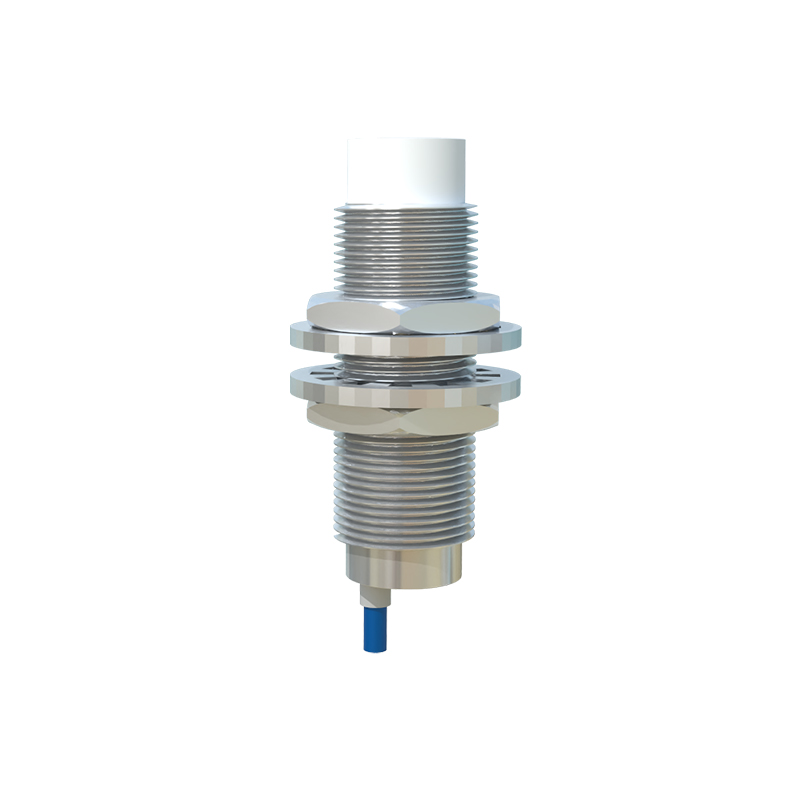
Installation and maintenance are straightforward yet crucial for optimal functionality. Engineers must consider mounting orientation, shielding from electromagnetic interference, and regular calibration to prevent false triggers. Xiyi Sensors provides comprehensive datasheets and support, advocating for periodic checks to sustain accuracy. Emerging trends, such as IoT integration and smart sensors, are reshaping the landscape, enabling real-time data analytics and predictive maintenance. By adopting advanced proximity switches, industries can boost efficiency, minimize downtime, and enhance safety protocols.
In summary, proximity switches are pivotal in modern automation, offering non-contact sensing solutions that drive productivity. With expertise from brands like Xiyi Sensors, engineers can leverage these devices to innovate and optimize industrial processes, ensuring robust and future-ready operations.