In the rapidly evolving landscape of industrial automation, laser sensor screens have emerged as a cornerstone technology, driving precision and efficiency across diverse sectors. These advanced systems utilize laser beams to detect, measure, and analyze objects with unparalleled accuracy, making them indispensable in manufacturing, robotics, logistics, and quality control processes. Unlike traditional optical or mechanical sensors, laser sensors offer non-contact operation, high-speed response, and resilience in challenging environments, such as those with dust, vibrations, or extreme temperatures.
The core of laser sensor technology lies in its ability to project a focused beam onto a target surface, with the screen—often an integrated display or interface—providing real-time feedback on parameters like distance, position, thickness, or defects. Modern iterations incorporate features such as adaptive algorithms, IoT connectivity, and user-friendly touchscreens, enabling seamless integration into smart factories. For instance, in automotive assembly lines, laser sensors monitor component alignment to micron-level tolerances, while in packaging industries, they ensure precise filling levels and label placement. The screens themselves have evolved from basic LED indicators to high-resolution graphical interfaces, offering intuitive visualization of data trends, diagnostics, and alerts.
Key advancements include the development of 3D laser scanning screens, which capture detailed surface profiles for applications like reverse engineering and inspection. Additionally, the integration of artificial intelligence allows these sensors to learn from operational data, predicting maintenance needs and optimizing performance autonomously. Energy efficiency has also improved, with low-power designs reducing operational costs and environmental impact. However, challenges persist, such as interference from ambient light or reflective surfaces, which manufacturers address through advanced filtering and calibration techniques.
Looking ahead, the convergence of laser sensors with 5G networks and edge computing promises to unlock new potentials, such as remote monitoring and real-time analytics on a global scale. As industries embrace Industry 4.0, the demand for robust, scalable laser sensor screens will continue to grow, fostering innovation in materials, software, and human-machine interaction. Ultimately, these technologies not only enhance productivity but also contribute to safer workplaces by minimizing human intervention in hazardous tasks. By staying abreast of trends like miniaturization and enhanced durability, engineers can leverage laser sensor screens to build more agile and competitive industrial ecosystems.
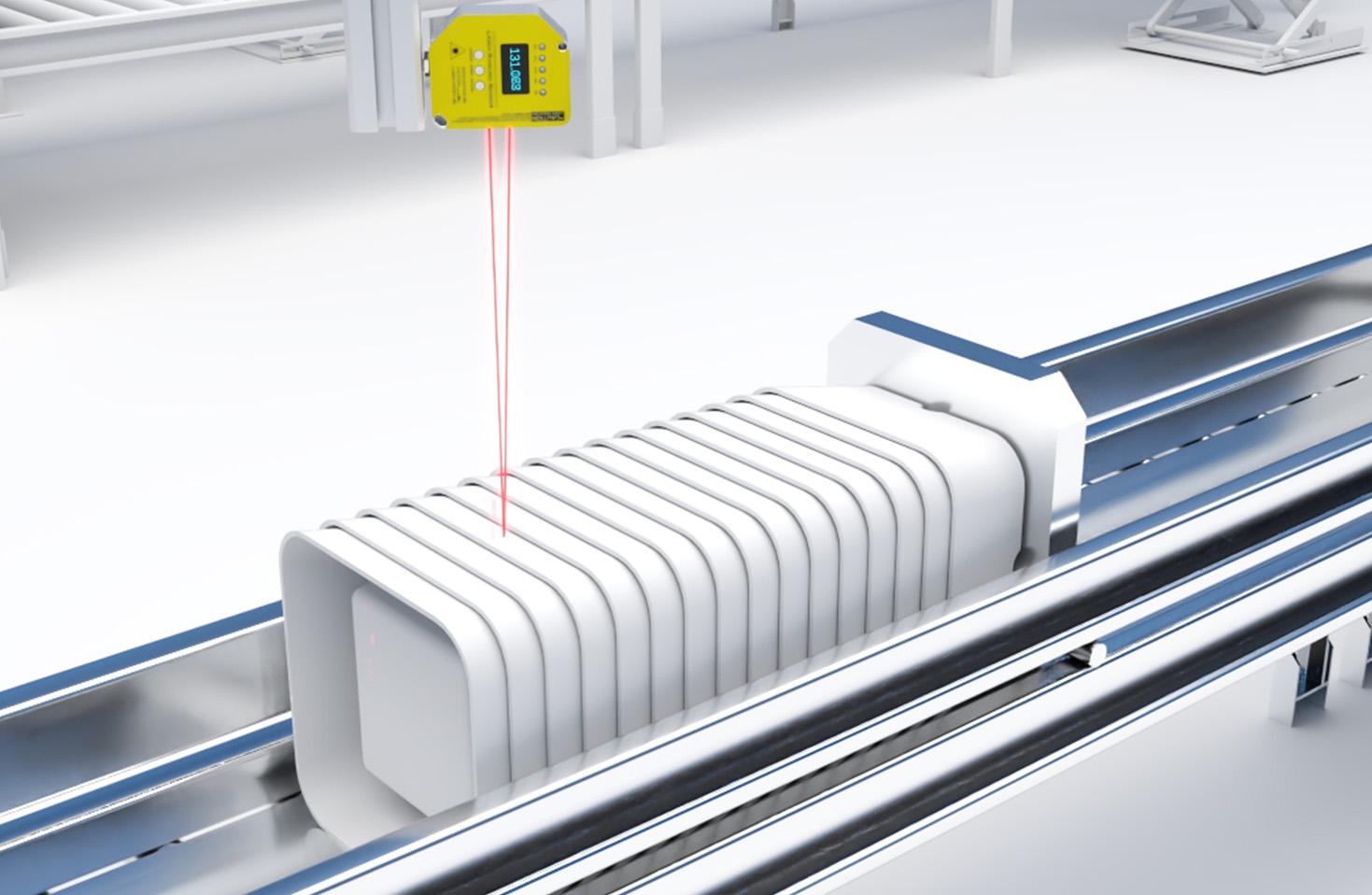
In summary, laser sensor screens represent a critical fusion of optics, electronics, and informatics, transforming how machines perceive and interact with their surroundings. Their ongoing refinement underscores a commitment to precision engineering, paving the way for smarter, more responsive industrial applications worldwide.