In the demanding landscape of modern industrial automation, the reliable supply of explosion-proof proximity sensors is not merely a procurement task; it is a critical component of operational safety and process integrity. These specialized sensors are engineered to detect the presence or absence of objects without physical contact, functioning flawlessly in hazardous areas where flammable gases, vapors, or combustible dusts may be present. The supply chain for these devices encompasses a complex ecosystem of manufacturers, stringent certifications, and evolving technological standards, making informed sourcing a paramount concern for engineers and procurement specialists.
The fundamental principle behind explosion-proof proximity sensors lies in their robust containment design. Unlike standard sensors, these devices are constructed with enclosures capable of withstanding an internal explosion of specified flammable substances. Furthermore, they prevent the ignition of a surrounding hazardous atmosphere by containing any sparks, arcs, or thermal effects generated within the housing. Common technologies include inductive sensors for metallic objects, capacitive sensors for non-metallic materials, and ultrasonic sensors. The choice of technology directly impacts supply considerations, as availability, lead times, and cost can vary significantly.
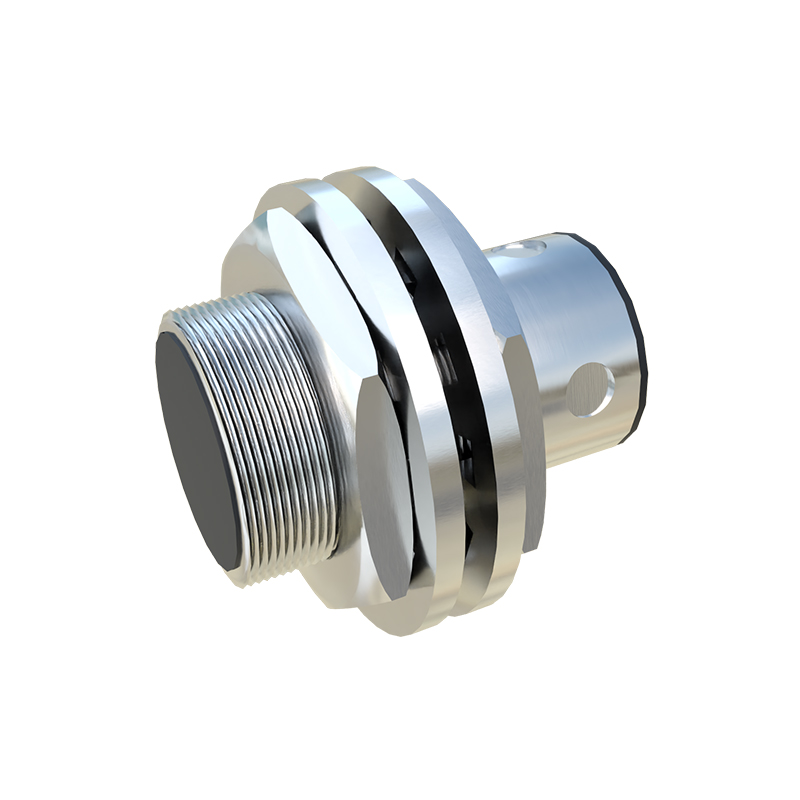
A cornerstone of the supply process is navigating the intricate web of international and regional certifications. Key standards include the ATEX directive in Europe (from French "ATmosphères EXplosibles"), the IECEx International Certification Scheme, and the NEC (National Electrical Code) with its Class, Division, and Zone system in North America. A reputable supplier must provide sensors with clear, traceable certification for specific hazardous area classifications (e.g., Zone 1, Zone 2, Gas Group IIC, Temperature Class T6). Engineers must verify that the supplied sensor's certification precisely matches the hazardous area classification of the installation site. Failure to do so can result in catastrophic safety risks, regulatory non-compliance, and severe legal liabilities.
The global market for explosion-proof proximity sensors features a mix of established multinational corporations and specialized niche suppliers. Leading manufacturers have invested heavily in R&D to produce sensors with enhanced features such as longer sensing ranges, improved immunity to electromagnetic interference (EMI), wider operating temperature tolerances, and advanced diagnostic capabilities like IO-Link communication. When evaluating suppliers, factors beyond basic price must be considered. These include the supplier's technical support expertise, their ability to provide comprehensive documentation, the robustness of their quality assurance processes, and their logistical reliability for both standard catalog items and custom-engineered solutions.
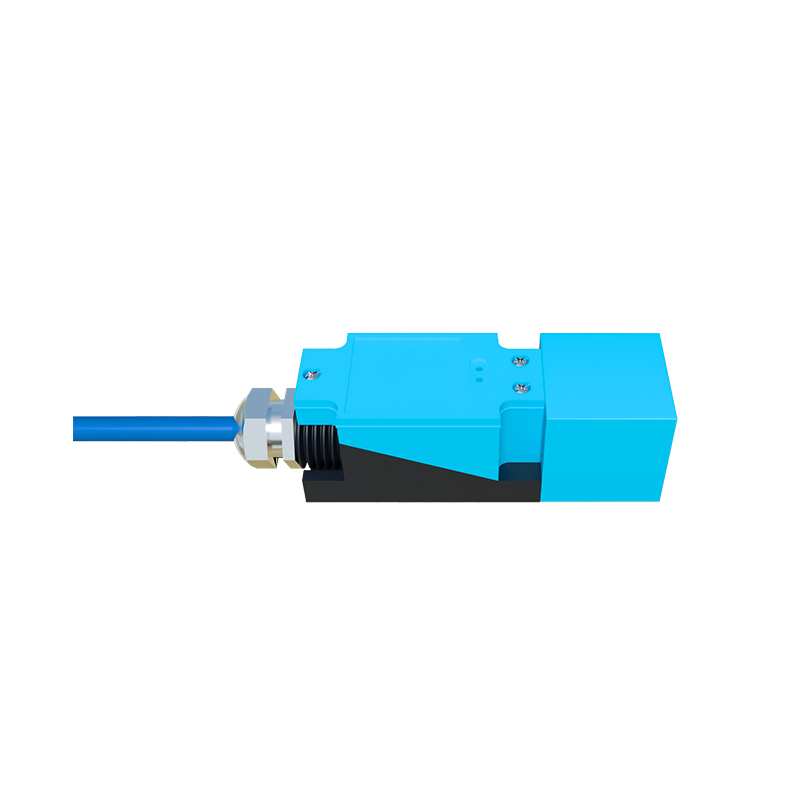
Supply chain resilience has become a critical focal point. Disruptions, whether from geopolitical events, material shortages, or transportation delays, can jeopardize plant maintenance schedules and new project timelines. Proactive strategies involve developing relationships with multiple certified suppliers, maintaining strategic safety stock for critical sensor types, and opting for suppliers with diversified manufacturing bases. Furthermore, the trend towards digitalization and Industry 4.0 is influencing supply dynamics. The demand is growing for smart sensors with embedded intelligence that can provide predictive maintenance data, reducing unplanned downtime and optimizing the total cost of ownership.
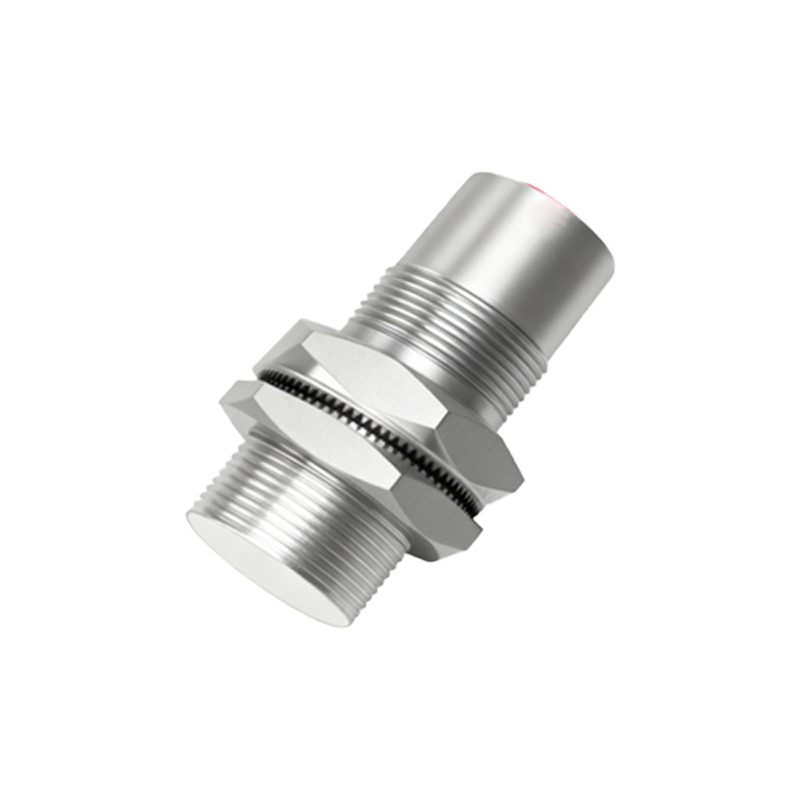
In conclusion, securing a reliable supply of explosion-proof proximity sensors is a multifaceted engineering and strategic challenge. It requires a deep understanding of application requirements, hazardous area classifications, and certification mandates. By partnering with knowledgeable, certified suppliers and adopting a strategic approach to supply chain management, industrial operations can ensure not only the continuous and safe functioning of their automated processes but also achieve long-term operational efficiency and regulatory compliance. The right sensor, from the right source, is an indispensable safeguard in hazardous environments.