Glass proximity switch sensors represent a critical component in modern industrial automation, offering unparalleled reliability and precision in detection tasks. These sensors utilize a glass-enclosed sensing face, which provides exceptional resistance to harsh environmental conditions such as chemicals, moisture, and extreme temperatures. The visual aspect of these sensors, often captured in detailed images, highlights their robust construction and specialized design tailored for demanding applications.
In industrial settings, glass proximity switch sensors are commonly employed in manufacturing lines, packaging machinery, and robotic systems. Their primary function is to detect the presence or absence of objects without physical contact, thereby reducing wear and tear and minimizing maintenance needs. High-quality images of these sensors showcase their compact size, typically ranging from small cylindrical forms to rectangular housings, with the glass surface appearing smooth and transparent. This transparency is not merely aesthetic; it allows for efficient transmission of infrared or ultrasonic signals, enabling accurate sensing even in dusty or oily environments.
When examining glass proximity switch sensor images, several key features stand out. The glass face is often mounted flush with the sensor body, preventing debris accumulation and ensuring consistent performance. Many models include LED indicators, visible in photos, that signal operational status—such as power-on or detection activation—aiding in quick diagnostics. Additionally, images may reveal the sensor's wiring connections, which are typically color-coded for easy installation, adhering to international standards like IEC 60947-5-2.
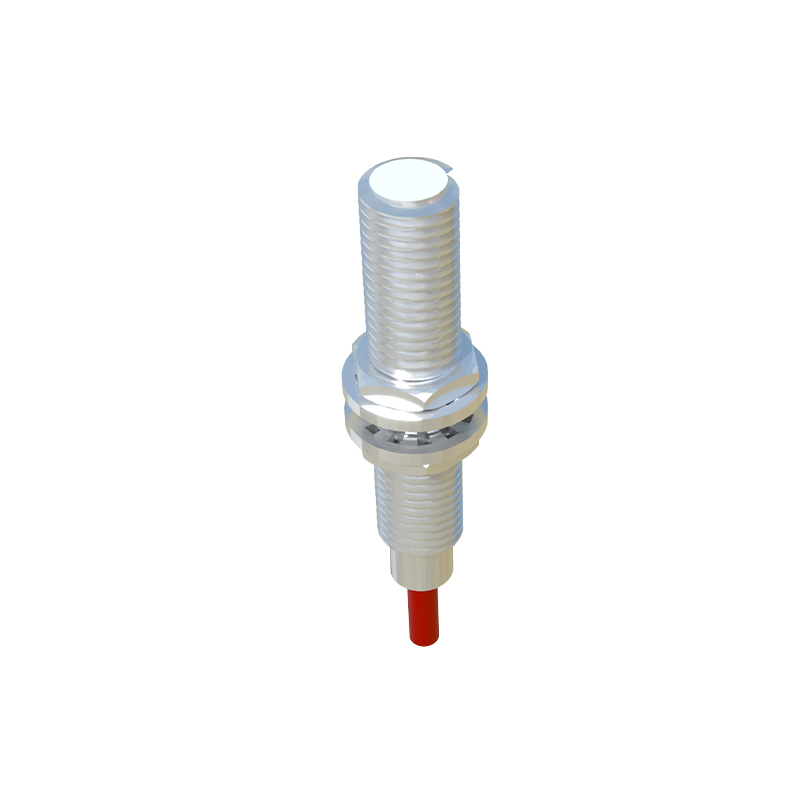
The advantages of using glass in these sensors are multifaceted. Glass offers high dielectric strength, making it suitable for applications involving high voltages or electromagnetic interference. It also resists corrosion from acids, alkalis, and solvents, a fact evident in images where the sensor remains pristine despite exposure to aggressive substances. In food and pharmaceutical industries, for instance, glass proximity switches are preferred due to their hygienic properties and ease of cleaning, as depicted in sanitized production line photos.
From a technical perspective, glass proximity switch sensors operate based on inductive, capacitive, or ultrasonic principles. Inductive types, ideal for metal detection, generate an electromagnetic field disrupted by metallic objects, while capacitive versions sense non-metallic materials by changes in capacitance. Ultrasonic models use sound waves for distance measurement. Images often illustrate these differences through cutaway diagrams or labeled components, helping engineers select the right sensor for specific tasks, such as liquid level control or object positioning.
In practice, installation and alignment are crucial for optimal performance. Photographs frequently demonstrate mounting techniques, such as using brackets or threaded barrels, with emphasis on maintaining proper sensing ranges—usually between 2mm to 20mm, depending on the model. Misalignment, as shown in comparative images, can lead to false triggers or missed detections, underscoring the need for precise setup. Maintenance tips, like regular cleaning of the glass surface with non-abrasive cloths, are also visually conveyed to prolong sensor lifespan.
The evolution of glass proximity switch sensors is reflected in contemporary images that feature advanced integrations. Smart sensors with IO-Link communication capabilities, for example, enable real-time data exchange and remote monitoring, depicted through connected system visuals. These enhancements support Industry 4.0 initiatives, promoting predictive maintenance and efficiency gains. Furthermore, thermal imaging shots reveal how glass sensors maintain stability under temperature fluctuations, ensuring reliability in foundries or refrigeration units.
In conclusion, glass proximity switch sensor images serve as both educational tools and proof of engineering excellence. They capture the sensor's durability, functionality, and adaptability across diverse industries. For engineers and technicians, these visuals provide insights into selection, installation, and troubleshooting, ultimately contributing to safer and more productive automated environments. As technology advances, future images may highlight innovations like miniaturized designs or enhanced sensing ranges, continuing to drive industrial progress.