In the realm of industrial automation and machinery, proximity switch sensors are indispensable components for non-contact detection of metallic and, in some cases, non-metallic objects. Their reliability, however, is intrinsically linked to one often-overlooked element: the mounting bracket. A sensor bracket is far more than a simple piece of metal; it is a critical interface that ensures optimal performance, longevity, and safety of the entire sensing system. This guide delves into the engineering considerations, types, and best practices for selecting and implementing proximity sensor mounting brackets.
The primary function of a mounting bracket is to provide a secure, stable, and precise platform for the proximity sensor. Vibration is a constant challenge in industrial environments. A poorly secured sensor can experience micro-movements, leading to inconsistent sensing distances, false triggers, or complete failure. A robust bracket, designed with the correct material thickness and mounting hole patterns, dampens these vibrations, ensuring the sensor head maintains its exact positional integrity relative to the target. Furthermore, brackets protect the sensor body from direct mechanical shock, strain on the cable entry point, and potential damage from incidental contact with other machine parts.
Material selection for brackets is paramount. For most industrial applications, zinc-plated steel or stainless steel (such as 304 or 316 grade) are the standards. Zinc-plated steel offers excellent corrosion resistance for general indoor use at a lower cost. Stainless steel is mandatory for harsh environments involving washdowns (e.g., food & beverage, pharmaceuticals), exposure to chemicals, or outdoor applications. Aluminum brackets are valued in applications where weight is a concern, though their strength and corrosion resistance must be evaluated against the specific environmental conditions.
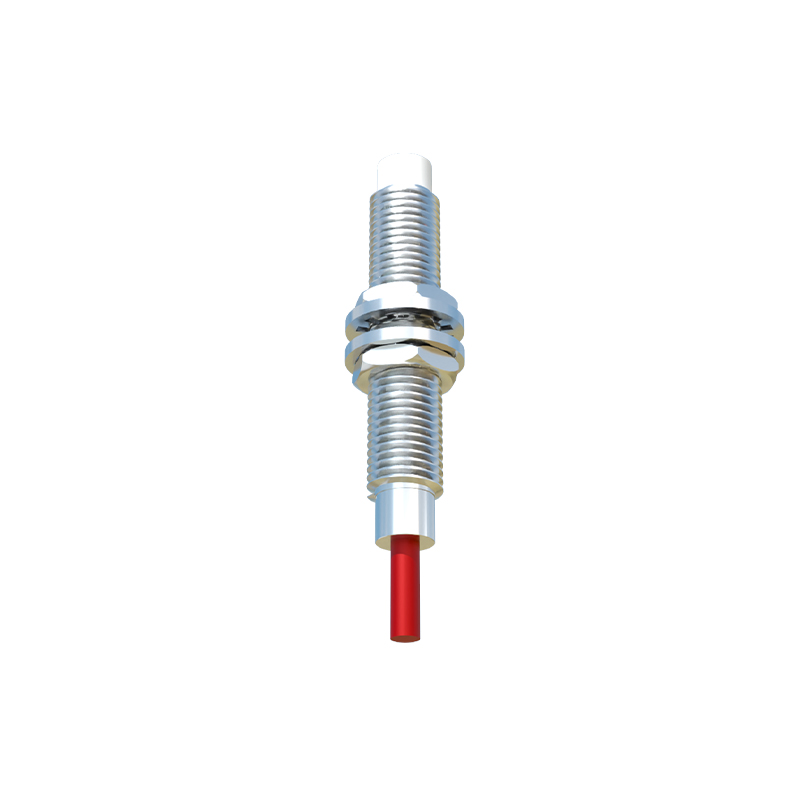
Bracket design varies significantly based on the sensor type (e.g., cylindrical barrel sensors, rectangular block sensors) and the mounting scenario. Common configurations include:
L-Shaped (Angle) Brackets: The most versatile type. They allow for mounting on a vertical surface with the sensor projecting horizontally, or vice-versa. Adjustable versions with slotted holes provide flexibility for fine-tuning the sensor's position during installation and alignment.
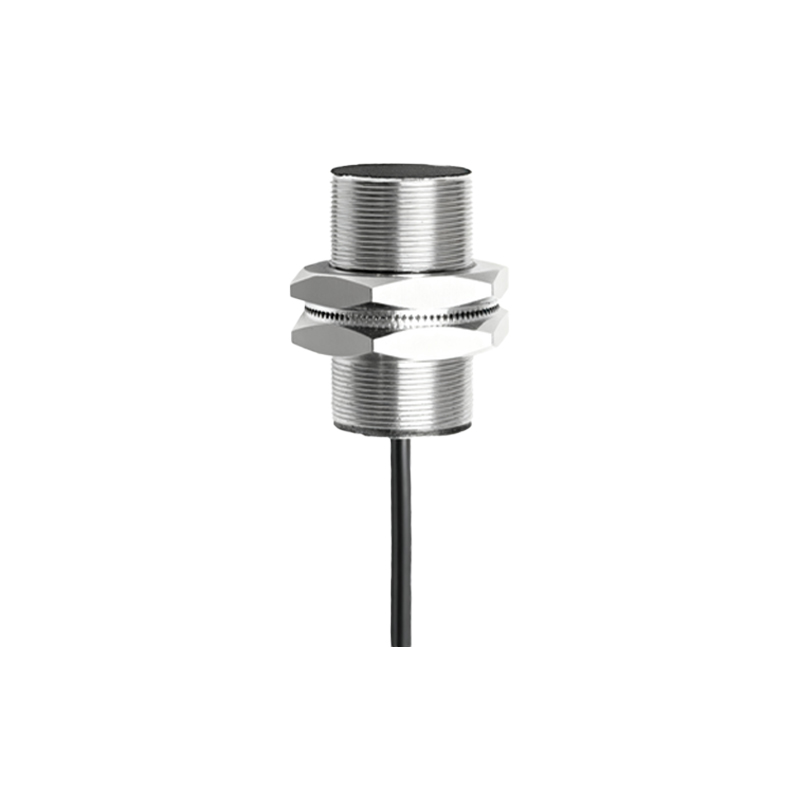
Straight (Bar) Brackets: Used for inline mounting or for creating distance between the sensor and the mounting surface. They are essential when the sensor needs to reach into a confined space or clear an obstruction.
Swivel or Pivot Brackets: These incorporate a ball joint or a pivoting mechanism, allowing multi-axis adjustment. Once the perfect sensing angle and position are achieved, a locking nut secures the orientation. This is invaluable for complex alignment tasks.
Channel Mount Brackets: Designed to clip onto standard T-slot aluminum framing, commonly used in machine guarding, workstations, and modular automation systems.
Specialized Brackets: These include brackets with integrated cable management clamps, vibration-damping elastomers, or custom geometries for OEM machine integration.
Installation and alignment are critical phases. The bracket must be mounted on a flat, rigid surface. When fastening, use lock washers or thread-locking compounds to prevent bolts from loosening due to vibration. The sensing distance of a proximity switch is specified for a clean, flat metal target. The bracket must position the sensor so that the target approaches the active face perpendicularly and within the stated nominal sensing range (Sn). A common mistake is mounting the sensor too close, risking physical collision, or too far, reducing the operational margin. For sensing small or irregular targets, precision-adjustable brackets are highly recommended to "dial in" the exact position.
Maintenance considerations are often designed into the bracket. A well-chosen bracket should allow for easy sensor replacement without requiring complete disassembly of the bracket itself. Quick-release designs or brackets that hold the sensor via a single clamping screw facilitate faster maintenance cycles, minimizing machine downtime.
In conclusion, dismissing the proximity sensor mounting bracket as a mere accessory is a significant engineering oversight. It is a fundamental component that directly influences sensing accuracy, system reliability, and operational safety. Investing time in selecting the correct bracket—considering material, design, adjustability, and environmental factors—pays substantial dividends in reduced downtime, fewer false readings, and extended sensor life. For any automation project, specifying the appropriate mounting hardware should be as deliberate as selecting the sensor itself.