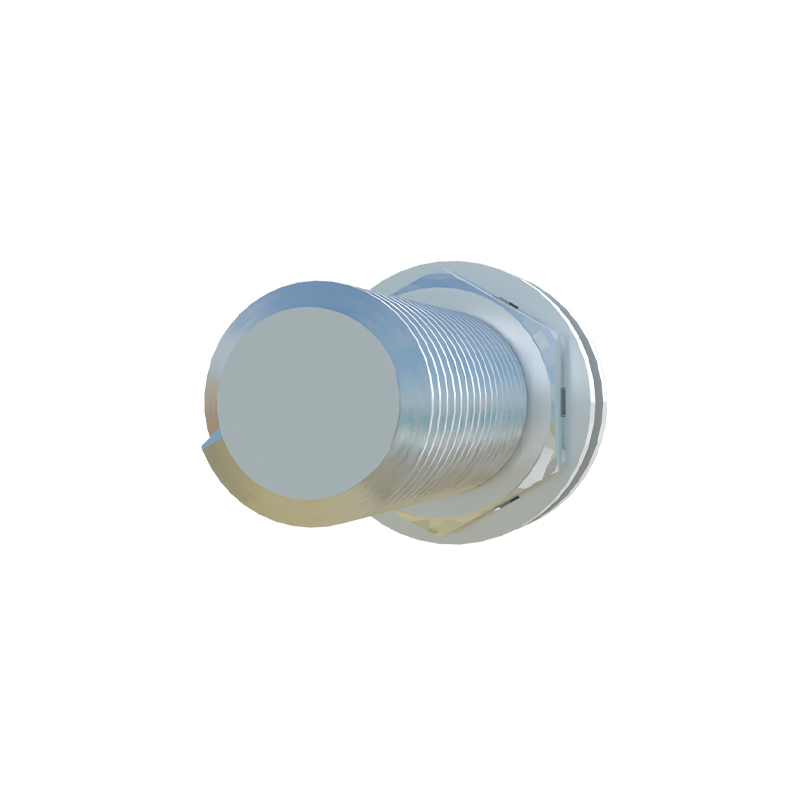
In industrial environments where extreme temperatures are a constant challenge, the reliability and performance of sensing technology become critical. High-temperature proximity sensors have emerged as indispensable tools across various sectors, enabling precise detection and monitoring in conditions that would render conventional sensors ineffective. These specialized devices are engineered to withstand temperatures often exceeding 200°C, with some models capable of operating in environments up to 500°C or higher. Their robust construction typically involves materials such as stainless steel, ceramics, and advanced polymers that resist thermal degradation, ensuring longevity and accuracy under duress.
One of the primary applications of high-temperature proximity sensors is in the metal processing industry. In steel mills and foundries, these sensors are deployed to monitor the position of molten metal in continuous casting lines, detect the presence of red-hot billets on conveyor systems, and ensure proper alignment in rolling mills. The ability to function reliably near furnaces and kilns, where ambient temperatures can soar, prevents production delays and enhances safety by reducing the need for manual inspections. Similarly, in glass manufacturing, proximity sensors play a vital role in monitoring forming processes and controlling robotic arms that handle heated glass products, maintaining precision while minimizing breakage.
The automotive and aerospace sectors also heavily rely on high-temperature proximity sensors for testing and manufacturing. During engine testing, sensors are used to monitor components like turbochargers and exhaust systems, where temperatures can rapidly fluctuate. In aerospace, they assist in the inspection of jet engine parts and the monitoring of thermal protection systems, contributing to both performance optimization and safety compliance. Additionally, the energy industry utilizes these sensors in power generation plants, particularly in coal-fired and nuclear facilities, to track equipment status in high-heat zones such as boiler rooms and turbine halls. This real-time data helps prevent overheating and supports predictive maintenance strategies.
Another growing application is in the field of additive manufacturing or 3D printing, especially with metals and advanced composites. High-temperature proximity sensors ensure precise layer-by-layer deposition by monitoring the print bed and extruder positions, even in enclosed build chambers that maintain elevated temperatures to prevent material warping. This capability is crucial for producing high-integrity components used in demanding industries like defense and medical implants.
When selecting a high-temperature proximity sensor, engineers must consider factors such as sensing range, output type (e.g., analog or digital), and environmental resistance to contaminants like dust, oil, and moisture. Inductive, capacitive, and ultrasonic sensor variants each offer distinct advantages depending on the target material and installation context. Regular calibration and adherence to manufacturer guidelines are essential to maintain sensor accuracy over time, as prolonged exposure to heat can gradually affect performance.
Looking ahead, advancements in materials science and IoT integration are set to expand the capabilities of high-temperature proximity sensors. Innovations like wireless connectivity and embedded diagnostics will enable smarter monitoring systems that provide real-time alerts and data analytics, further boosting efficiency in harsh industrial settings. As industries continue to push the boundaries of operational temperatures, these sensors will remain at the forefront, ensuring that automation and safety go hand in hand even in the most extreme conditions.