In the realm of industrial automation and control engineering, proximity sensors are fundamental components that play a critical role in enhancing efficiency, safety, and precision. A common question among professionals and students alike is: to which system do proximity sensors belong? The answer is not singular, as these devices are integral elements within broader industrial systems, primarily categorized under sensing systems, control systems, and safety systems.
Proximity sensors are specialized devices designed to detect the presence or absence of an object within a specific range without physical contact. They achieve this through various principles, including inductive, capacitive, ultrasonic, and magnetic sensing technologies. Inductive sensors, for instance, are ideal for detecting metallic objects, while capacitive sensors can handle both metallic and non-metallic materials. Ultrasonic sensors use sound waves for detection, and magnetic sensors respond to magnetic fields. This versatility allows them to be deployed across diverse applications, from manufacturing assembly lines and robotic arms to automotive engineering and packaging machinery.
Within the industrial hierarchy, proximity sensors are first and foremost a core part of the sensing system. This system is responsible for gathering real-time data about the environment or process. Sensors act as the "eyes and ears" of an automated setup, converting physical parameters—such as position, presence, or distance—into electrical signals. These signals are then transmitted to controllers for further processing. The sensing system's primary function is to provide accurate and reliable input, forming the foundation for any automated decision-making. Without precise sensing, subsequent control actions would be based on incomplete or erroneous information, leading to operational failures.
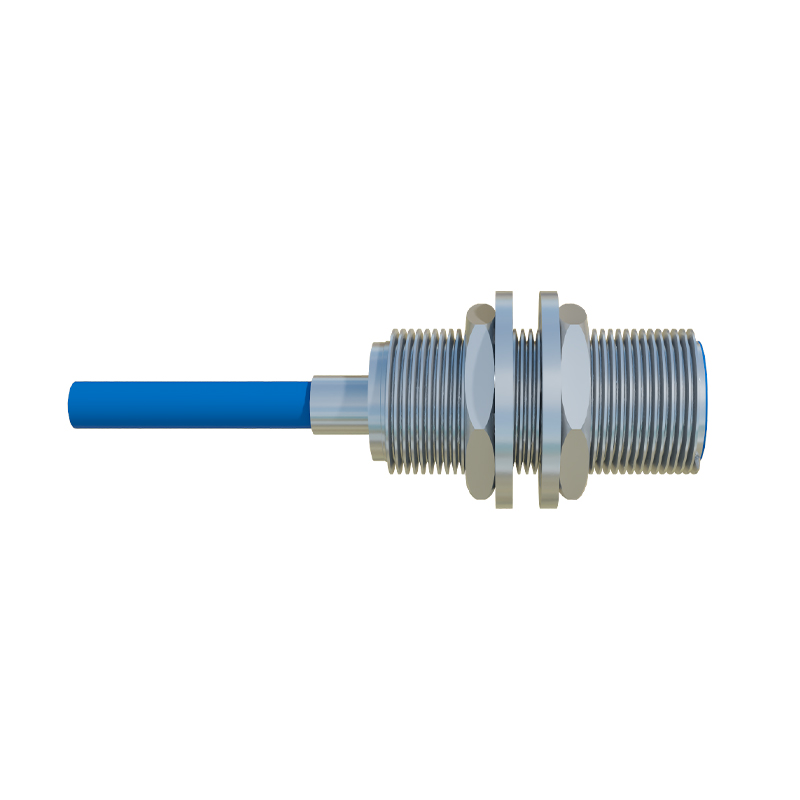
The output from proximity sensors is typically fed into a control system, which is the brain of the operation. In modern industrial settings, this often involves Programmable Logic Controllers (PLCs), Distributed Control Systems (DCS), or industrial PCs. The control system processes the sensor data according to predefined logic or algorithms. For example, if a proximity sensor detects a part on a conveyor belt, the control system might trigger a robotic arm to pick and place that part. This seamless integration between sensing and control enables automated sequences, reducing human intervention and minimizing errors. Proximity sensors thus serve as critical input devices that initiate, modify, or halt control actions, ensuring processes run smoothly and efficiently.
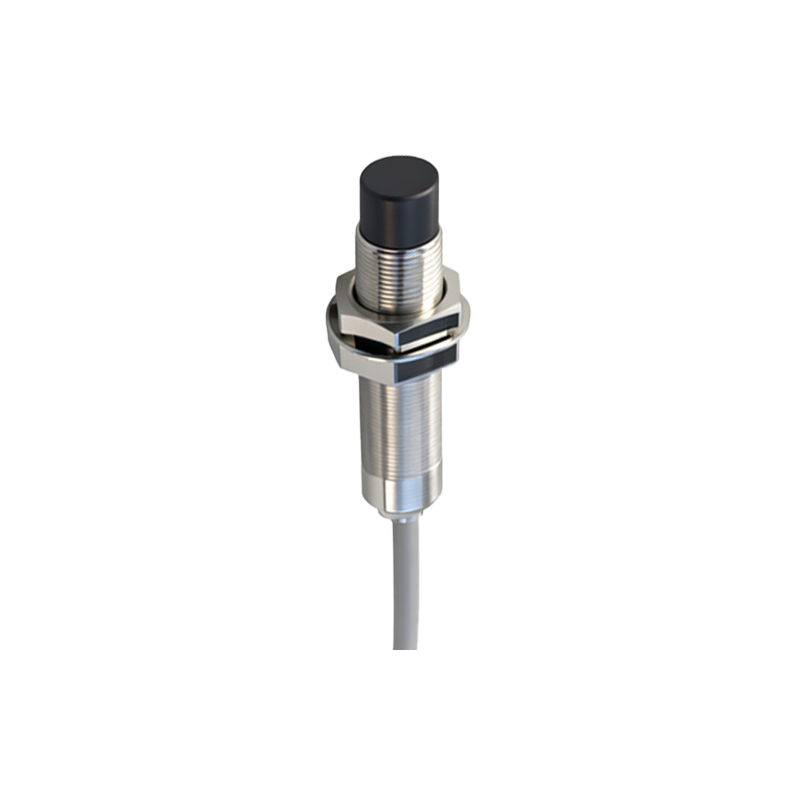
Furthermore, proximity sensors are vital components of safety systems in industrial environments. They contribute to machine safety by implementing functions like presence detection in hazardous zones. For instance, a magnetic proximity sensor might be used to confirm that a safety guard door is securely closed before a machine starts operation. If the sensor does not detect the door in the closed position, it sends a signal to the safety controller to prevent machine activation, thereby protecting personnel from potential injuries. In safety-rated applications, these sensors are often part of safety instrumented systems (SIS) that comply with international standards such as IEC 61508 and ISO 13849. Their fail-safe design and high reliability are crucial for risk reduction and compliance with occupational health and safety regulations.
The integration of proximity sensors extends into networked systems as well. With the advent of Industry 4.0 and the Industrial Internet of Things (IIoT), sensors are increasingly connected via industrial communication protocols like PROFINET, EtherNet/IP, or IO-Link. This connectivity allows for advanced functionalities such as remote monitoring, predictive maintenance, and data analytics. For example, an inductive proximity sensor with IO-Link capability can not only detect object presence but also transmit diagnostic information—like operating temperature or signal strength—to a supervisory system. This enables proactive maintenance, reducing downtime and optimizing overall equipment effectiveness (OEE).
In summary, proximity sensors are multifaceted components that belong to several interconnected systems within industrial automation. They are essential elements of sensing systems for data acquisition, control systems for process automation, and safety systems for personnel protection. Their role is further amplified in modern smart factories, where they contribute to digitalization and connectivity. Understanding this systemic belonging helps engineers design more robust, efficient, and safe automated solutions. As technology evolves, proximity sensors will continue to advance, offering higher precision, longer ranges, and smarter features, thereby reinforcing their indispensable status across industrial systems worldwide.