In the world of industrial automation and electrical engineering, proximity sensors are indispensable components for detecting the presence or absence of objects without physical contact. However, navigating the myriad of model numbers can be daunting. Each alphanumeric code is not arbitrary; it encapsulates critical information about the sensor's specifications, functionality, and compatibility. This guide decodes the typical structure and meaning behind these identifiers, empowering engineers to make informed selections.
Typically, a proximity sensor model number is segmented into several parts, each representing a key attribute. The prefix often denotes the sensor series or family, indicating the manufacturer's product line. For instance, "E2E" might signify a cylindrical inductive proximity sensor from a specific brand. Following this, numerical or letter codes specify the sensing distance, usually in millimeters. A model segment like "08" could indicate an 8mm range, while "18" denotes 18mm. It's crucial to consult datasheets as coding varies by manufacturer.
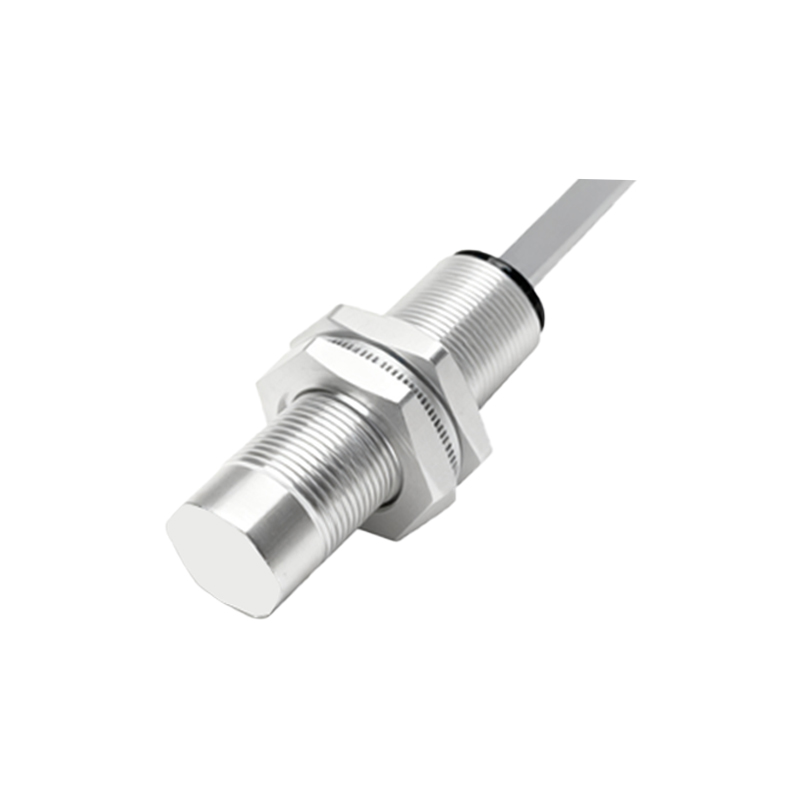
The next segment frequently defines the sensor's output type and electrical characteristics. Common codes include "N" for NPN (sinking) output, "P" for PNP (sourcing) output, and designations like "DC" for direct current operation. Voltage ratings might be embedded here, such as "12-24VDC." Additionally, output configurations—like normally open (NO) or normally closed (NC)—are often represented by letters like "A" or "B." For example, "N0" might combine NPN and normally open output.
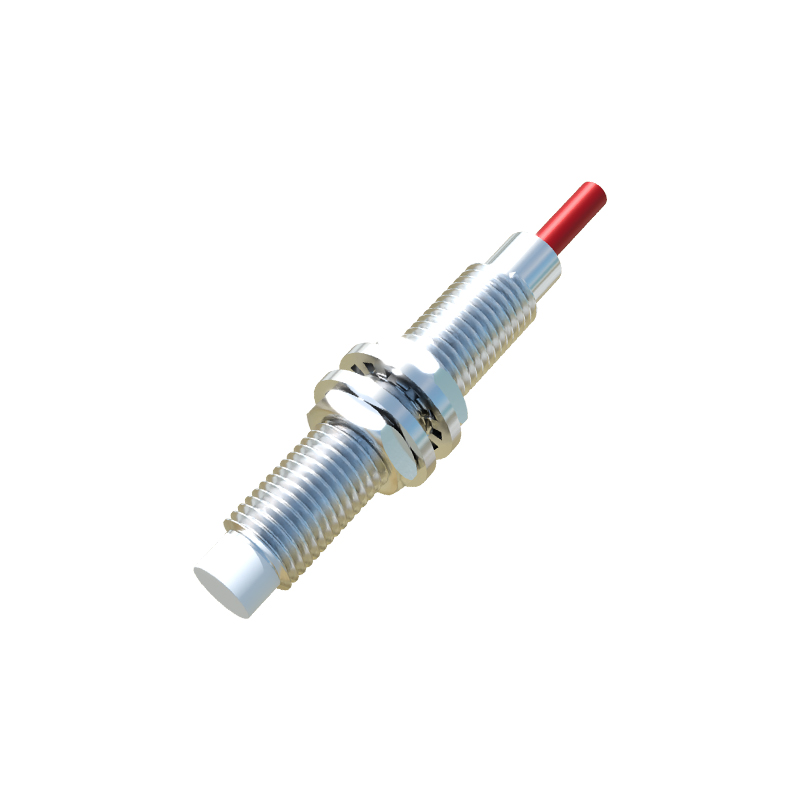
Another critical aspect is the housing style and size. Cylindrical sensors may include diameter codes (e.g., "M12" for a 12mm threaded barrel), while rectangular or block-style sensors use distinct identifiers. Material composition, such as stainless steel or brass, can also be implied through specific suffixes, especially in harsh environments where corrosion resistance is vital.
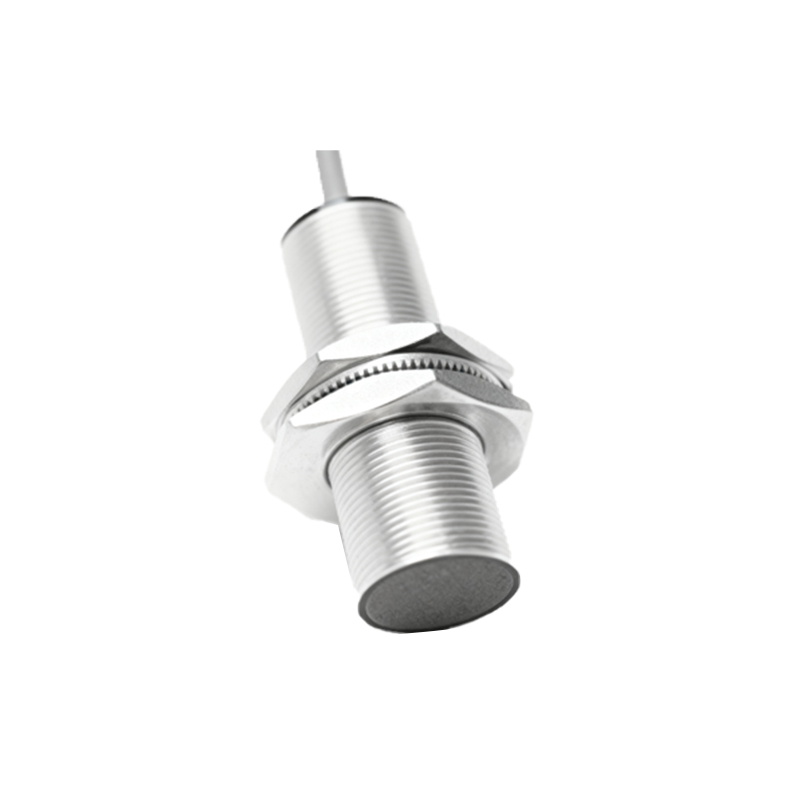
Environmental protection ratings, particularly IP (Ingress Protection) codes, are sometimes integrated. A suffix like "IP67" signifies dust-tight and waterproof capabilities, essential for washdown or outdoor applications. Temperature range indicators might follow, such as "-25°C to 70°C," though these are often detailed in supporting documentation rather than the model string itself.
Special features often have dedicated codes. This includes shielded vs. unshielded designs (shielded sensors can be flush-mounted), short-circuit protection, reverse polarity protection, and LED indicators. For instance, "F" might denote a flush-mountable version, while "L" indicates an integrated status light. In capacitive or ultrasonic proximity sensors, additional codes reflect sensing principles and target material compatibility.
Understanding these conventions streamlines procurement and system integration. Misinterpreting a single character can lead to mismatched voltage supplies, incorrect mounting, or inadequate sensing performance. Always cross-reference with official manufacturer catalogs, as proprietary naming systems differ. For example, one brand may use "XS" for extra-small sensors, while another employs "M5" for miniature types.
In practice, engineers should prioritize key parameters: sensing distance, output type, supply voltage, housing, and environmental robustness. Model numbers serve as a condensed technical summary, but they are not a substitute for thorough datasheet review. As technology evolves, new codes emerge for smart sensors with IO-Link connectivity or diagnostic functions, adding layers to the decoding process.
Ultimately, mastering model number interpretation enhances efficiency in design and maintenance. It reduces downtime by ensuring correct replacements and optimizes sensor selection for specific applications, from conveyor systems to robotic arms. By paying attention to these alphanumeric clues, electrical professionals can harness the full potential of proximity sensing technology, driving reliability and innovation in automated processes.