In the realm of industrial automation and process control, the 5255 cleaning laser sensor stands as a pivotal innovation, designed to address the persistent challenges of contamination and signal degradation in harsh environments. This advanced sensor integrates laser-based measurement with an automated cleaning mechanism, ensuring consistent accuracy and operational longevity. The core principle revolves around utilizing a focused laser beam to detect objects or measure distances, while the integrated cleaning system periodically removes dust, oil, mist, or other particulates that could obstruct the optical path. This dual functionality is critical in sectors such as manufacturing, automotive assembly, and food processing, where even minor deviations can lead to significant quality defects or production halts.
The 5255 model typically features a robust housing rated for IP67 or higher, making it resistant to water, dust, and mechanical impacts. Its laser emitter operates at a specific wavelength, often in the visible red or infrared spectrum, optimized for precise detection without interference from ambient light. The cleaning mechanism may employ compressed air jets, wiper blades, or ultrasonic vibrations, tailored to the application's contaminant profile. For instance, in a welding station, it might use air blasts to clear metal spatter, whereas in a bottling plant, a gentle wipe suffices for liquid residues. Calibration is streamlined through intuitive software interfaces, allowing engineers to set cleaning intervals based on environmental severity—ensuring maintenance is proactive rather than reactive.
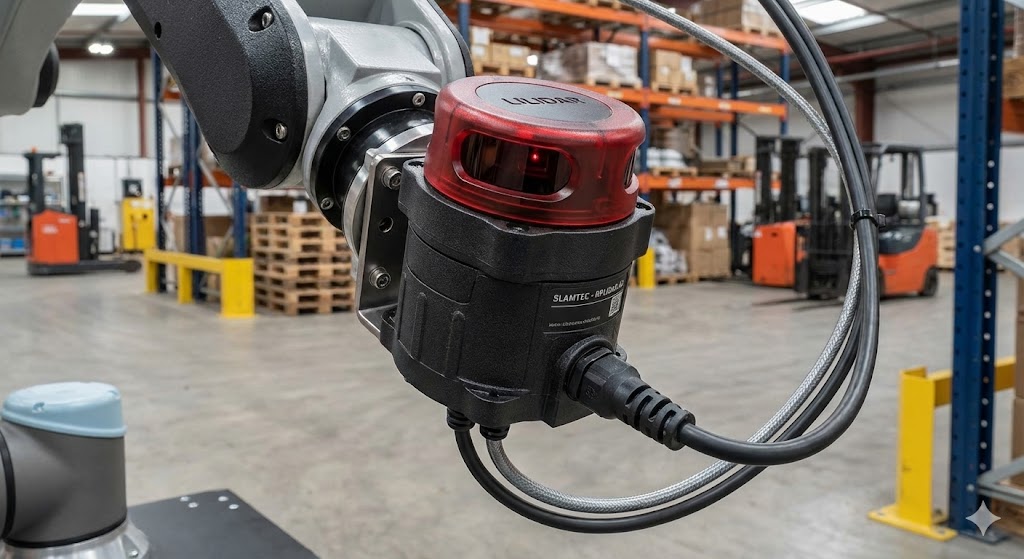
Performance metrics highlight its superiority: measurement resolutions down to micrometers, response times in milliseconds, and operational ranges extending several meters. These specifications enable tasks like edge detection on conveyor belts, fill-level monitoring in tanks, or positioning robotic arms with unparalleled fidelity. Field studies in automotive paint shops demonstrate a reduction in sensor-related downtime by over 60%, as the self-cleaning feature prevents gradual opacity buildup that traditionally required manual intervention. Similarly, in pharmaceutical packaging lines, the sensor maintains sterility by avoiding physical contact with products, aligning with Good Manufacturing Practice (GMP) standards.
However, implementing the 5255 cleaning laser sensor necessitates careful consideration. Factors like target material reflectivity, ambient temperature fluctuations, and chemical exposure must be evaluated to select the appropriate variant. Installation guidelines emphasize proper alignment and mounting stability, as vibrations can misalign the laser, negating the cleaning benefits. Regular diagnostics via built-in feedback loops—such as signal strength indicators—alert operators to potential issues before failures occur. Cost-benefit analyses often justify the initial investment through reduced maintenance labor, fewer production stoppages, and enhanced product consistency.
Looking ahead, advancements in smart sensor networks and Industry 4.0 integration are expanding its capabilities. The 5255 can now interface with IoT platforms, transmitting real-time data on performance metrics and contamination levels to centralized monitoring systems. Predictive algorithms analyze this data to optimize cleaning schedules dynamically, further minimizing wear and energy consumption. As industries increasingly prioritize automation resilience, the 5255 cleaning laser sensor exemplifies how targeted engineering solutions can overcome environmental adversities, paving the way for more reliable and efficient operations globally. Its adoption continues to grow, underscoring its role as a cornerstone in modern industrial sensing technology.
