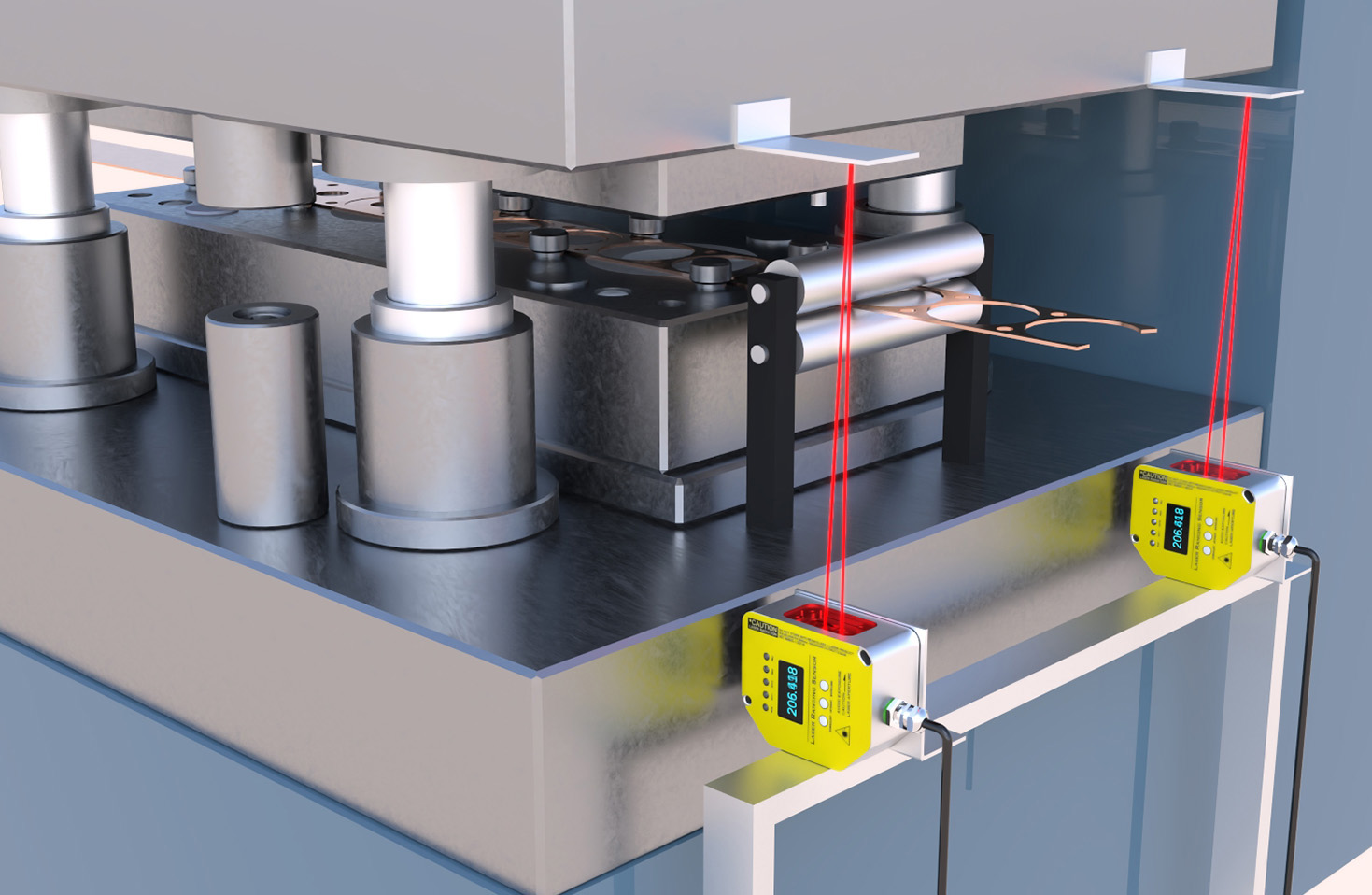
In industrial automation and precision measurement applications, laser distance sensors are critical components that ensure accuracy, reliability, and efficiency. Regular inspection and maintenance of these sensors are essential to prevent operational downtime, measurement errors, and potential safety hazards. This guide outlines a systematic approach to inspecting laser distance sensors, covering visual checks, performance verification, environmental considerations, and common troubleshooting steps.
Begin with a thorough visual inspection. Examine the sensor housing for any signs of physical damage, such as cracks, dents, or corrosion. Check the lens or optical window for dust, dirt, smudges, or scratches, as contaminants can scatter or absorb the laser beam, leading to inaccurate readings. Use a clean, lint-free cloth and approved optical cleaning solution to gently clean the lens if necessary. Ensure all electrical connections, including cables and connectors, are secure and free from wear or corrosion. Loose connections can cause intermittent faults or complete failure.
Next, verify the sensor's performance through functional testing. Power on the sensor and observe its indicator lights or display, if available, for normal operation signals. Perform a baseline accuracy test by measuring known distances within the sensor's specified range. Use calibrated reference targets or gauge blocks to compare the sensor's readings against expected values. Record any deviations and calculate the error margin. It is crucial to test at multiple points across the measurement range to identify nonlinearity or drift issues. Additionally, check the response time by moving the target and ensuring the sensor updates readings promptly without lag.

Environmental factors significantly impact laser sensor performance. Assess the operating environment for excessive vibration, temperature extremes, humidity, or ambient light interference. Laser sensors are sensitive to temperature fluctuations; verify that the ambient temperature remains within the manufacturer's specified operating range. High humidity or condensation can affect optical components and electronics, potentially causing short circuits or measurement errors. If the sensor is used in areas with strong ambient light, such as direct sunlight or bright industrial lighting, ensure that the sensor's design includes adequate filtering or shielding to prevent signal interference. Consider using protective enclosures or housings in harsh environments.
Inspect the alignment and mounting of the sensor. Misalignment is a common cause of inaccurate measurements. Ensure the sensor is securely mounted on a stable platform and correctly aligned perpendicular to the target surface. Use alignment tools, such as laser alignment fixtures or digital levels, to verify precision. For applications involving moving targets, confirm that the sensor's tracking or scanning capabilities are correctly configured and that the target remains within the sensor's field of view.
Common troubleshooting steps include checking power supply stability, reviewing configuration settings, and updating firmware. Unstable power can lead to erratic behavior; use a multimeter to verify that the voltage and current meet the sensor's requirements. Access the sensor's software interface or configuration module to review parameters such as measurement mode, output format, and filtering settings. Incorrect configurations often cause performance issues. If the sensor supports firmware updates, ensure you are running the latest version, as updates may include bug fixes or performance improvements.

Document all inspection findings, including test results, environmental conditions, and any corrective actions taken. Maintain a log for each sensor to track its performance over time, facilitating predictive maintenance and early fault detection. Regular inspections, combined with proper handling and calibration, extend the sensor's lifespan and ensure consistent, reliable operation in demanding industrial settings.
Finally, adhere to safety protocols during inspection. Laser sensors emit concentrated light beams that can be hazardous to eyesight. Always follow the manufacturer's safety guidelines, which may include wearing appropriate laser safety goggles and ensuring the laser is not directed toward people or reflective surfaces. Disconnect power before performing any physical maintenance to avoid electrical shocks. By implementing a comprehensive inspection routine, engineers can maximize the accuracy and longevity of laser distance sensors, supporting optimal system performance and productivity.