Waterproof proximity switch sensors are integral components in modern industrial automation, designed to detect the presence or absence of objects without physical contact, even in harsh, wet, or washdown environments. Their robust construction and reliable operation make them indispensable in sectors like food and beverage processing, marine applications, wastewater treatment, and outdoor machinery. Understanding their fundamental working principle is key to selecting and applying them effectively.
At its core, a waterproof proximity sensor operates on the same basic principles as a standard inductive or capacitive proximity switch but is encased in a sealed housing, typically rated IP67, IP68, or IP69K. This ingress protection rating ensures the internal electronics are shielded from water, dust, oils, and chemicals. The most common type is the inductive waterproof proximity sensor, used for detecting metallic objects.
The working principle of an inductive waterproof proximity switch is based on electromagnetic induction. The sensor's face contains a coil that is part of an oscillator circuit. When an alternating current is passed through this coil, it generates a high-frequency oscillating electromagnetic field. This field radiates from the active face of the sensor. In the absence of a target metal object, the oscillator continues to run at a specific amplitude.
When a conductive metal object enters this electromagnetic field, eddy currents are induced on the surface of the object. These eddy currents draw energy from the oscillator circuit, causing a reduction in the oscillation amplitude. An integrated evaluation circuit within the sensor continuously monitors this amplitude. Once the amplitude drop reaches a predetermined threshold—corresponding to the object being within the specified sensing range—the circuit triggers a state change. This change typically controls a solid-state switch (like a transistor) that alters the output signal. For a normally open (NO) sensor, the output turns ON (closes the circuit); for a normally closed (NC) sensor, the output turns OFF (opens the circuit).
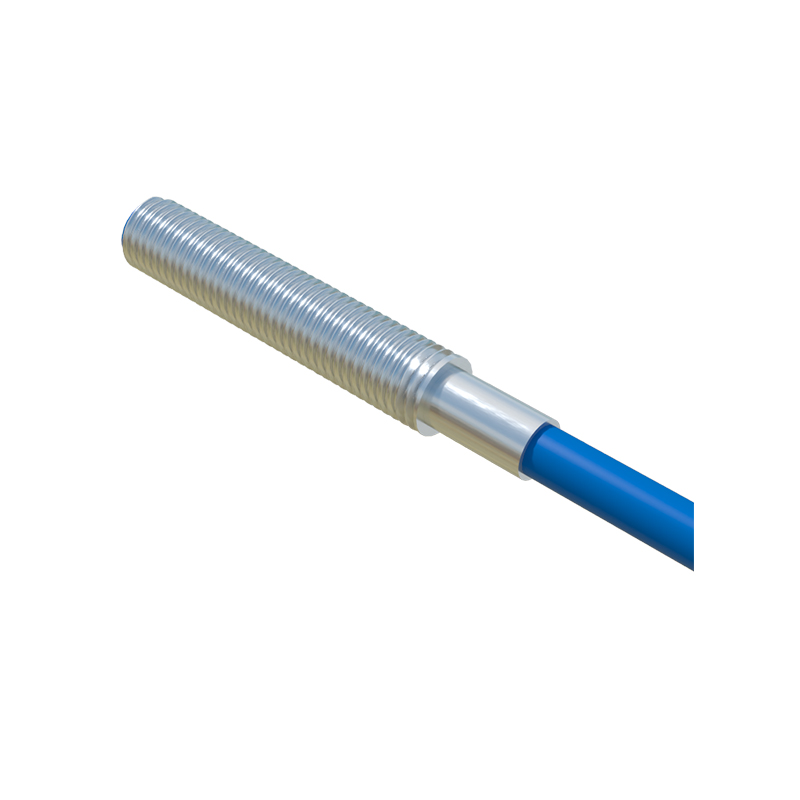
The capacitive waterproof proximity sensor follows a similar logic but is designed to detect both metallic and non-metallic materials (liquids, plastics, wood, etc.). It uses a capacitor formed by the sensor's face (one plate) and the target object (the other plate), with the environment as the dielectric. As a target object approaches, it changes the capacitance of this system. The sensor's internal circuit detects this change in capacitance and switches the output state accordingly. The waterproof sealing is equally critical here to prevent false triggers from moisture or contaminants affecting the dielectric constant.
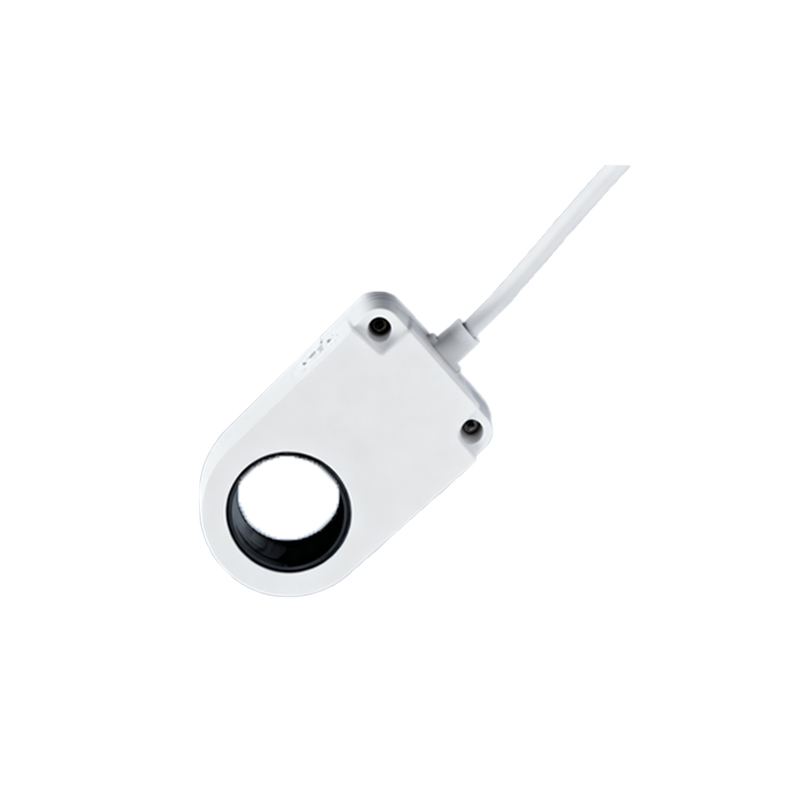
Key to the "waterproof" functionality is the hermetic sealing of the sensing face and the housing. Materials like PBT (polybutylene terephthalate) or stainless steel (often V4A/AISI 316L for corrosion resistance) are used for the housing. The sensing face is frequently made from a specialized, high-grade plastic (e.g., PPS) or ceramic that allows the electromagnetic or electrostatic field to pass through while forming a perfect seal with the metal body. Potting compounds seal the internal electronics, and high-quality O-rings or laser welding ensure the housing joints are impervious.
When implementing these sensors, several factors must be considered. The sensing distance, or "rated operating distance," is specified for a standard target (usually mild steel). This distance is reduced for non-ferrous metals in inductive sensors. The installation method—flush mountable or non-flush—affects the sensing characteristics and potential interference from surrounding metal. Flush-mountable sensors can be embedded in metal without affecting performance, thanks to their shielded design. Output types include DC 3-wire (PNP or NPN sourcing/sinking), 2-wire AC/DC, and analog or IO-Link variants for more advanced data communication. The choice depends on the controller's input card requirements.
Applications are vast. In bottling plants, waterproof inductive sensors count cans on wet conveyors. In maritime cranes, they provide position feedback for winches exposed to salt spray. In agricultural equipment, they monitor seed or fertilizer levels. Capacitive waterproof sensors excel at detecting fill levels of liquids (water, chemicals, beverages) inside tanks or pipes through non-metallic walls.
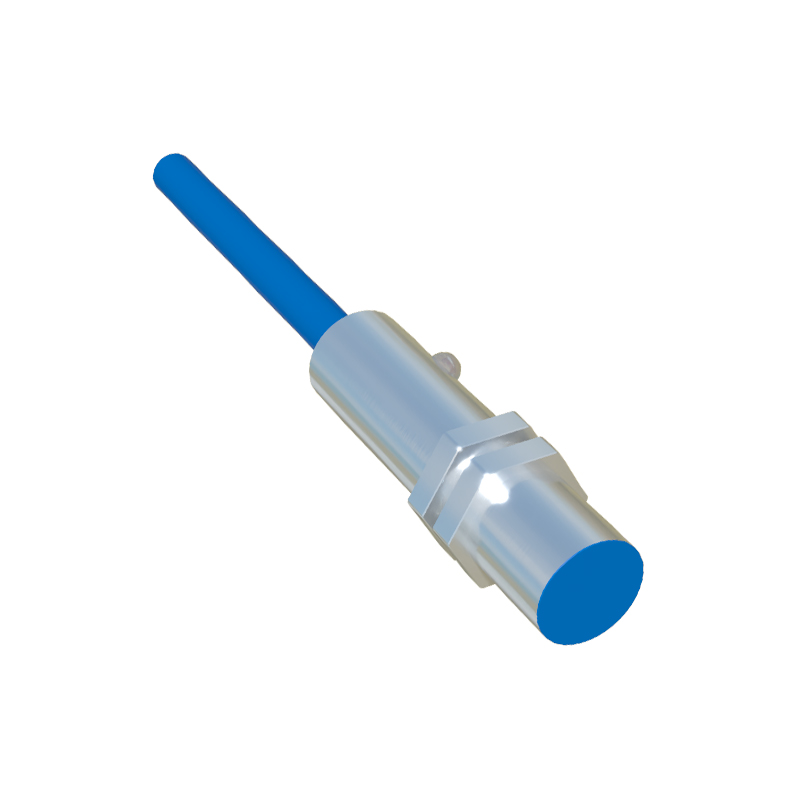
Maintenance involves periodic checks for physical damage to the housing or cable gland, cleaning the sensing face of stubborn residues that might dampen the field, and verifying the electrical connections for corrosion. Their solid-state nature means no moving parts to wear out, leading to exceptionally long service life when selected appropriately for the environment.
In conclusion, the waterproof proximity switch sensor is a marvel of practical engineering. By combining non-contact sensing technology—through electromagnetic induction or capacitance change—with advanced sealing techniques, it delivers unwavering reliability where it is needed most. Its principle is elegantly simple, yet its impact on ensuring safety, efficiency, and continuity in challenging industrial processes is profound. Proper selection based on the target material, required sensing distance, environmental rating, and electrical interface is crucial to harnessing its full