Proximity sensors are indispensable components in modern industrial automation, robotics, and safety systems. Their ability to detect the presence or absence of objects without physical contact relies heavily on the precise selection and processing of raw materials. This article delves into the core materials used in manufacturing various types of proximity sensors, examining their properties, applications, and the engineering considerations behind their selection.
The fundamental operating principles of proximity sensors—inductive, capacitive, ultrasonic, and photoelectric—dictate distinct material requirements. For inductive proximity sensors, which detect metallic objects, the sensing coil is paramount. This coil is typically wound from high-purity copper or silver-plated copper wire to ensure excellent electrical conductivity and minimal signal loss. The coil is then encapsulated within a housing made from materials like nickel-plated brass, stainless steel (often grades 304 or 316 for corrosion resistance), or engineering plastics such as PBT (Polybutylene Terephthalate) for non-metallic sensing faces. The core of the coil may utilize ferrite materials to concentrate the electromagnetic field, enhancing sensitivity and range.
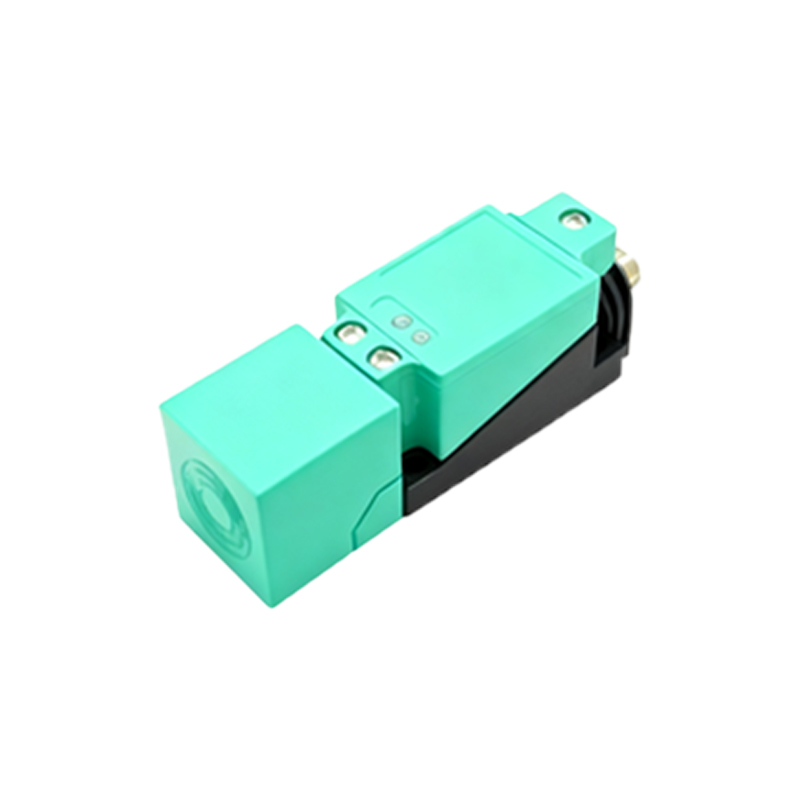
Capacitive proximity sensors, capable of detecting both metallic and non-metallic materials, require a different material set. The active sensing surface is usually a metal plate, commonly made from corrosion-resistant alloys or coated with a conductive layer. The housing must provide electrical shielding and is frequently constructed from materials like PTFE (Polytetrafluoroethylene) or POM (Polyoxymethylene) for their stable dielectric properties and resistance to environmental contaminants. The oscillator and amplifier circuits within these sensors rely on high-grade semiconductor materials, primarily silicon, for integrated circuits, and precise resistors/capacitors using materials like tantalum or ceramic dielectrics.
Photoelectric sensors present a unique material challenge, combining optics and electronics. The light source, typically an LED (Light Emitting Diode) or laser diode, is fabricated from semiconductor compounds like Gallium Arsenide (GaAs) or Gallium Aluminum Arsenide (GaAlAs) for infrared types, or Indium Gallium Nitride (InGaN) for visible light variants. The receiver is a phototransistor or photodiode made from silicon or germanium. The lens protecting these elements is critical; it is manufactured from optical-grade plastics (e.g., polycarbonate or acrylic) or glass (often borosilicate) to ensure high transmittance, scratch resistance, and minimal distortion. The housing must be opaque to prevent stray light interference, leading to the use of carbon-filled PBT or ABS (Accylonitrile Butadiene Styrene).
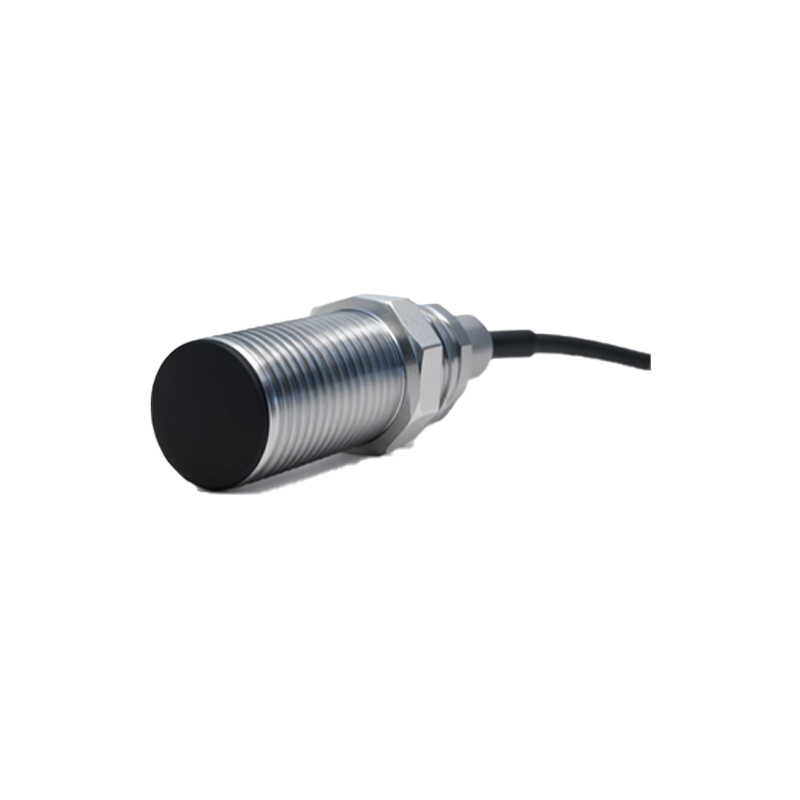
Ultrasonic sensors depend on piezoelectric materials for both generating and receiving sound waves. The piezoelectric element is the heart of the sensor, commonly made from lead zirconate titanate (PZT) ceramics or, increasingly, lead-free alternatives like potassium sodium niobate due to environmental regulations. This crystal must be precisely cut and polarized. The housing and the acoustic lens, which shapes the sound beam, are designed from materials that minimally attenuate ultrasonic waves, such as specific grades of epoxy resin or specialized plastics. Moisture and dust resistance are critical, often necessitating seals made from silicone or fluorocarbon elastomers.
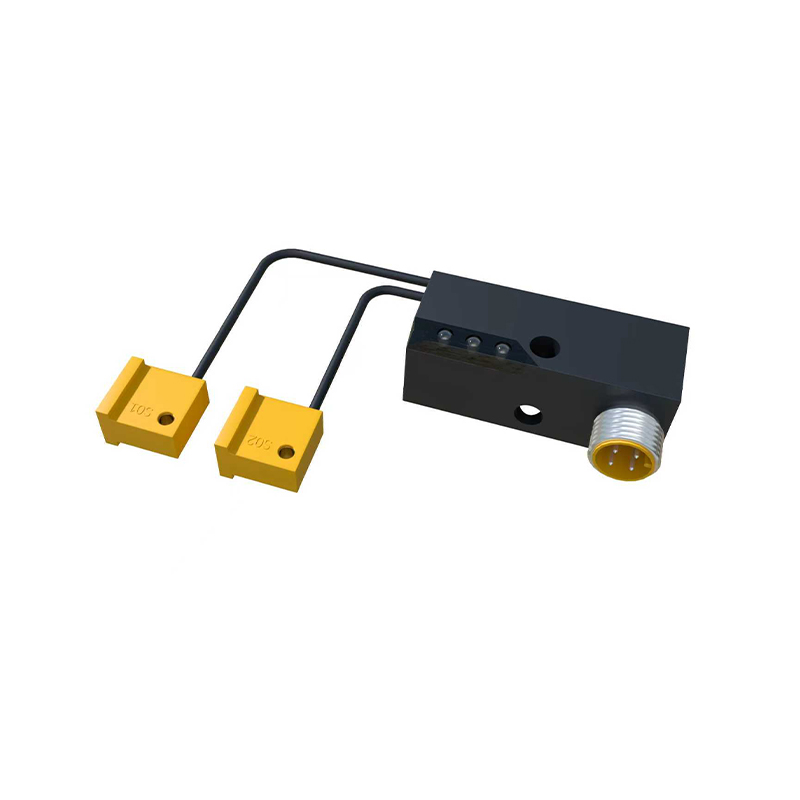
Beyond the active sensing elements, the overall sensor construction involves several critical ancillary materials. Potting compounds, usually epoxy or silicone-based, are used to protect sensitive electronic components from vibration, moisture, and thermal cycling. Connectors and cabling require high-flexibility, shielded cables with conductors of tinned copper and insulation from PVC, PUR (Polyurethane), or TPE (Thermoplastic Elastomer), chosen based on the required resistance to oils, chemicals, or extreme temperatures. For sensors used in hazardous environments, encapsulation in stainless steel housings with explosion-proof seals is mandatory.
The manufacturing process itself imposes stringent demands on material quality. Consistency in the electrical properties of metals and the dielectric constants of plastics is non-negotiable for maintaining sensor performance across production batches. Engineers must also consider the coefficient of thermal expansion (CTE) of all materials to prevent internal stress, cracking, or performance drift over a wide operating temperature range. Furthermore, compliance with global regulations such as RoHS (Restriction of Hazardous Substances) and REACH drives the selection of halogen-free, lead-free, and environmentally sustainable materials wherever possible.
In conclusion, the performance, reliability, and longevity of a proximity sensor are fundamentally rooted in its material composition. From the conductive metals in its coils to the specialized ceramics in its transducers and the engineered polymers in its housing, each material is selected through a rigorous engineering analysis of electrical, mechanical, thermal, and environmental factors. As sensor technology advances towards miniaturization and higher intelligence, the development of novel nanomaterials and advanced composites will continue to push the boundaries of what proximity sensors can achieve.