In the rapidly evolving landscape of industrial automation, the demand for precision, reliability, and adaptability in sensing technology has never been greater. Among the myriad of sensing solutions, laser proximity sensors stand out for their exceptional accuracy, long-range detection capabilities, and minimal sensitivity to environmental factors like dust, color, or surface texture. However, off-the-shelf sensors often fall short when faced with unique application challenges. This is where the critical importance of custom laser proximity sensor development comes into play, offering tailored solutions that bridge the gap between standard technology and specific operational needs.
Customization begins with a thorough analysis of the application environment and requirements. Key parameters such as sensing range, response time, output type (e.g., analog, digital, IO-Link), and housing material must be meticulously defined. For instance, in high-temperature foundries, sensors require specialized housings and optics capable of withstanding extreme heat and particulate contamination. In contrast, applications in cleanroom semiconductor manufacturing demand sensors with non-outgassing materials and ultra-precise measurement capabilities to detect minute component displacements. The core of a laser proximity sensor—typically employing time-of-flight (ToF) or triangulation principles—can be adjusted. Custom optics, such as lenses with specific focal lengths or filters for particular light wavelengths, enable precise control over the laser beam's spot size and shape, optimizing it for detecting small objects or operating in highly reflective environments.
Electrical and communication interfaces are another vital aspect of customization. Modern industrial networks necessitate sensors that can integrate seamlessly into existing control architectures. Custom sensors can be engineered with specific communication protocols like PROFINET, EtherCAT, or Modbus TCP, ensuring plug-and-play compatibility. Power supply requirements, including voltage ranges and current consumption, are also tailored to match the plant's electrical infrastructure, eliminating the need for additional converters or power conditioners. Furthermore, output logic (NPN/PNP) and switching functions can be customized to interface directly with PLCs or robotic controllers, simplifying system integration and reducing commissioning time.

The mechanical design of a custom sensor is equally crucial. Factors like housing size, shape, mounting options (e.g., bracket, threaded barrel), and ingress protection (IP) rating are tailored to fit spatial constraints and environmental conditions. In aggressive chemical processing plants, sensors may be housed in stainless steel or specially coated enclosures with IP69K ratings to resist high-pressure washdowns and corrosive agents. For applications involving constant vibration, such as on conveyor systems or robotic arms, internal components are secured with robust damping mechanisms to ensure long-term stability and measurement consistency. Custom cable lengths and connector types further enhance installation flexibility and reliability.
Software configurability adds another layer of customization. Advanced sensors often include programmable parameters such as teach-in functions for setting detection thresholds, temperature compensation algorithms, and diagnostic features like contamination warnings or signal strength indicators. Custom firmware can be developed to implement application-specific logic, such as multi-point averaging for uneven surfaces or adaptive filtering to ignore background interference. This software adaptability not only enhances performance but also extends the sensor's lifespan by allowing parameter adjustments as process conditions evolve.
The benefits of investing in custom laser proximity sensors are substantial. They lead to improved process efficiency by reducing false triggers and measurement errors, which in turn minimizes downtime and product waste. Enhanced durability under harsh conditions lowers maintenance costs and replacement frequency. Moreover, a sensor precisely engineered for its task contributes to higher overall system safety and quality control. While the initial development cost and timeline may be higher compared to standard models, the long-term return on investment—through optimized performance, reduced integration headaches, and increased productivity—often justifies the custom approach.
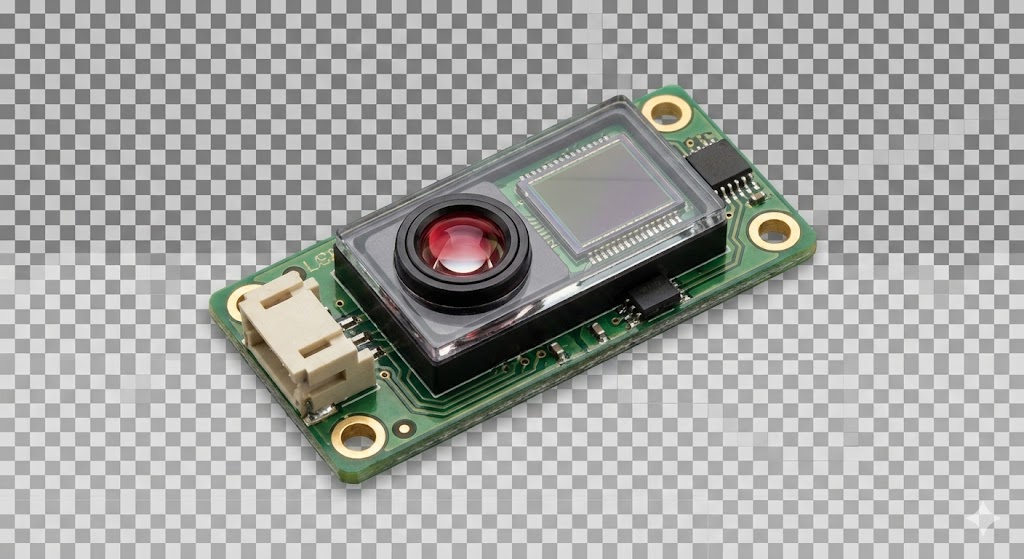
In conclusion, as industries push toward greater automation and smarter manufacturing, the one-size-fits-all approach to sensing becomes increasingly inadequate. Custom laser proximity sensors represent a strategic solution, empowering engineers to overcome unique challenges and unlock new levels of operational precision. By collaborating closely with specialized sensor manufacturers, companies can develop bespoke sensing systems that are not merely components but integral, high-performance elements of their automated processes, driving innovation and competitive advantage in the modern industrial arena.