In the dynamic landscape of industrial automation and robotics, obstacle proximity sensors stand as critical components for ensuring safety, precision, and operational efficiency. These devices, designed to detect the presence or absence of objects within a specified range without physical contact, are fundamental to modern manufacturing, material handling, and autonomous systems. This article delves into the core principles, primary technologies, and key application considerations for these indispensable sensors.
The fundamental operating principle of an obstacle proximity sensor is based on the emission of a field or beam and the analysis of changes in its return signal. When an object enters the sensor's detection field, it alters this signal—be it electromagnetic, acoustic, or optical. The sensor's internal circuitry processes this change and triggers an output signal, typically a switch closure or a change in voltage/current. This non-contact nature eliminates mechanical wear, ensures high reliability, and allows for rapid response times, often in the millisecond range.
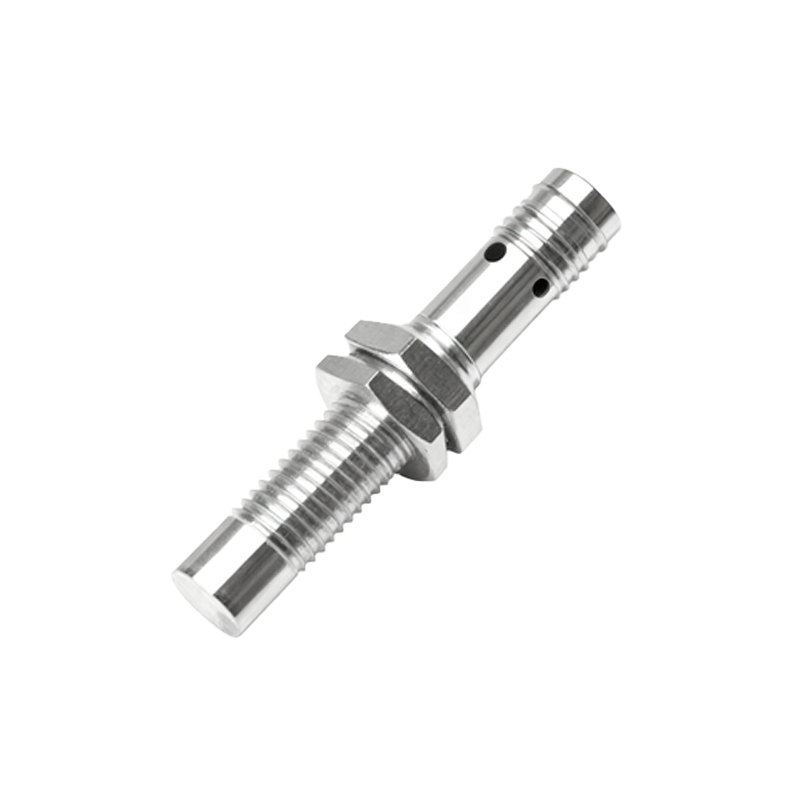
Several core technologies dominate the obstacle proximity sensor market, each with distinct advantages and optimal use cases. Inductive proximity sensors are the workhorses of metal detection. They generate an electromagnetic field and detect eddy current losses induced in conductive targets. Highly robust and resistant to environmental factors like dust, oil, and coolant, they are ideal for detecting metal parts in machinery, such as in CNC machines or assembly line position verification. However, their limitation is clear: they cannot detect non-metallic objects.
For applications requiring detection of all material types, capacitive proximity sensors are the preferred choice. They function by generating an electrostatic field and sensing changes in capacitance caused by any object, metallic or non-metallic (plastics, wood, liquids, granules). This makes them perfect for level detection in tanks (e.g., detecting liquid or powder levels through a container wall), material handling of non-metals, and presence detection of packaged goods. Their sensitivity can be adjusted but can also make them susceptible to environmental humidity.
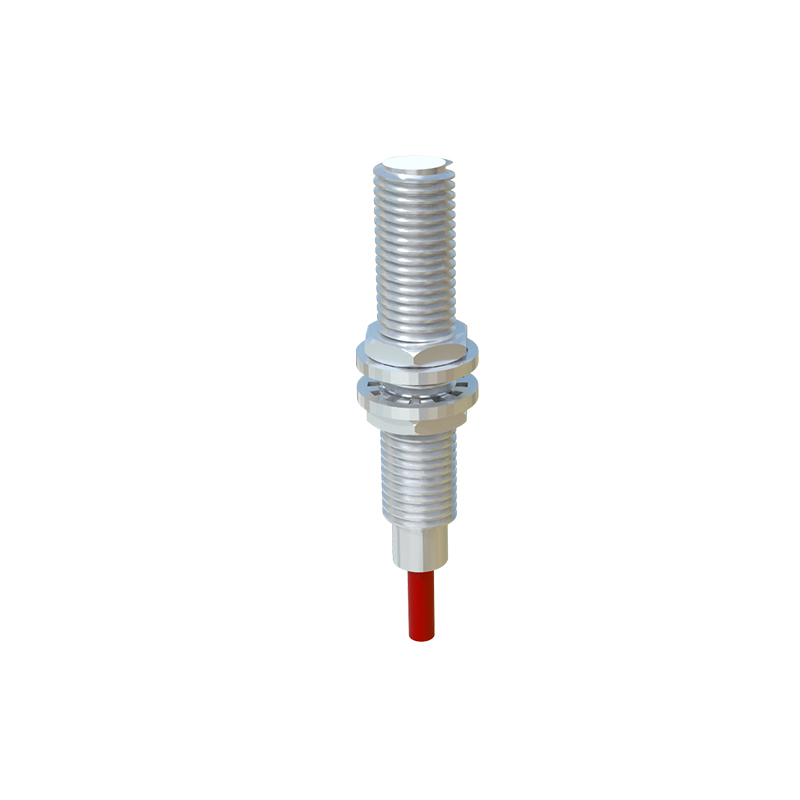
Optical proximity sensors, including through-beam, retro-reflective, and diffuse-reflective types, utilize light beams (usually infrared or laser). Through-beam sensors, with separate emitter and receiver units, offer the longest sensing ranges and highest reliability. Diffuse-reflective sensors house both emitter and receiver in one housing, detecting light reflected directly from the target object. These are widely used in packaging, robotics for object avoidance, and conveyor belt counting systems. Their performance can be affected by target color, reflectivity, and ambient light interference, though modern models feature background suppression and modulated light to mitigate these issues.
Ultrasonic proximity sensors operate by emitting high-frequency sound waves and measuring the time for the echo to return. They excel at detecting objects regardless of color, transparency, or material, and are effective for distance measurement and level sensing of liquids or bulk solids. Common in automotive assembly, warehouse automation (pallet detection), and tank level control, they can be influenced by temperature variations, wind, and highly absorbent surfaces.
Selecting the right sensor requires a meticulous analysis of the application parameters. Key factors include: the nature of the target material (metal, plastic, liquid); the required sensing distance or range; the required switching frequency or response speed; the environmental conditions (temperature, pressure, presence of contaminants like dust, oil, or steam); the electrical output type needed (PNP/NPN, analog, IO-Link); and the physical housing requirements (cylindrical, rectangular, with or without embedded mounting threads).
Proper installation and alignment are paramount. Sensors must be mounted securely to prevent vibration-induced errors. For inductive and capacitive sensors, ensuring the correct flush or non-flush mounting condition as per datasheet specifications is crucial for achieving the stated sensing range. For optical sensors, precise alignment of through-beam pairs is necessary, while diffuse sensors must be angled correctly to avoid false triggers from background objects. Environmental protection ratings, denoted by IP (Ingress Protection) codes, should be chosen to match the operational environment—for instance, IP67 for washdown areas in food and beverage plants.
In conclusion, obstacle proximity sensors are the silent guardians of industrial automation. From preventing collisions in autonomous mobile robots (AMRs) to ensuring precise part positioning in high-speed assembly, their role is irreplaceable. Understanding the strengths and limitations of inductive, capacitive, optical, and ultrasonic technologies allows engineers and system integrators to make informed decisions. As Industry 4.0 advances, these sensors are increasingly becoming intelligent nodes on networks, providing not just detection data but also diagnostic information, paving the way for predictive maintenance and smarter, safer, and more efficient industrial operations.