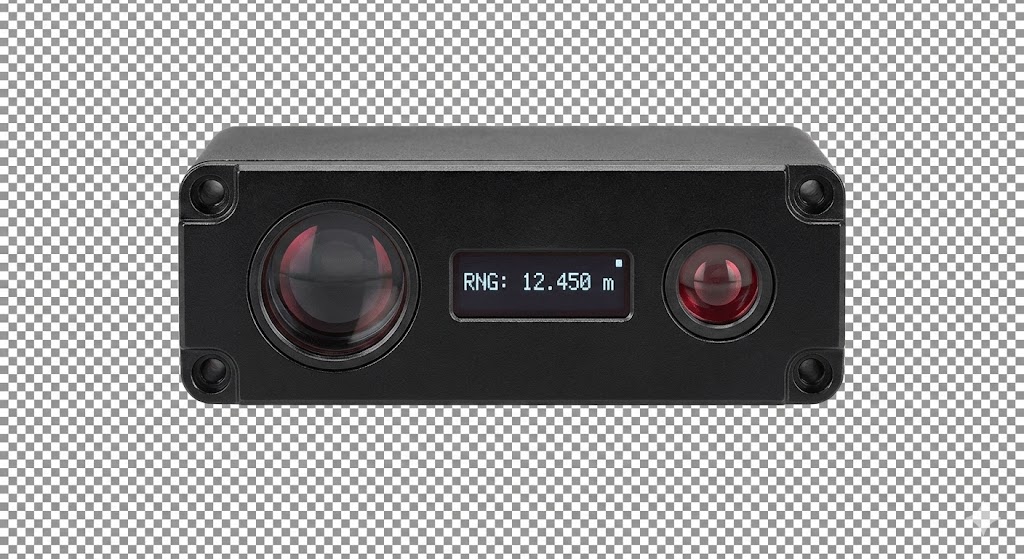
In the rapidly evolving landscape of automotive lighting, laser headlight sensor technology represents a significant leap forward, offering unparalleled precision, efficiency, and safety. Unlike traditional halogen or even LED systems, laser headlights utilize advanced sensors to control light emission with exceptional accuracy. These sensors are integral to the system's ability to adapt to driving conditions in real-time, enhancing visibility while minimizing glare for other road users.
The core of laser headlight technology lies in its sensor array, which typically includes ambient light sensors, cameras, and sometimes LiDAR components. These sensors continuously monitor the environment, detecting factors such as oncoming traffic, road curvature, speed, and weather conditions. For instance, when an oncoming vehicle is detected, the sensors signal the control unit to adjust the beam pattern, effectively dimming or redirecting light to prevent blinding the other driver. This adaptive functionality is crucial for night driving, where over 50% of fatal accidents occur according to global road safety studies.
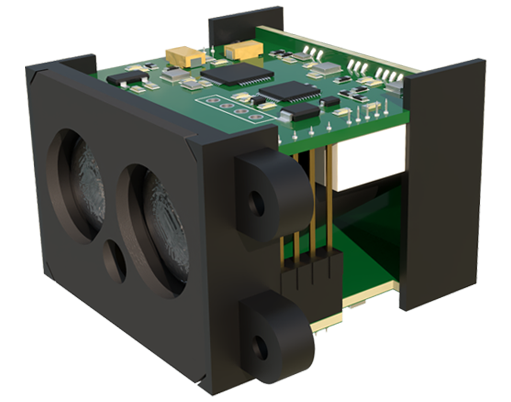
Laser diodes themselves are extremely efficient, producing light that is up to 1,000 times brighter than LEDs while consuming less energy. The sensors ensure this intense light is used judiciously. By precisely modulating the laser beams, the system can illuminate specific areas farther ahead—often up to 600 meters, compared to around 300 meters for high-end LEDs—without scattering excess light. This long-range illumination is particularly beneficial on highways, allowing drivers to identify obstacles earlier. Moreover, the sensors enable dynamic cornering lights; as the steering wheel turns, the beam direction shifts accordingly, lighting up curves and intersections more effectively.

From an engineering perspective, integrating these sensors requires robust software algorithms and hardware resilience. The sensors must operate reliably in diverse conditions, from extreme temperatures to vibrations. Automotive-grade components are designed to meet stringent standards like ISO 26262 for functional safety. Data from sensors is processed by electronic control units (ECUs) that execute complex lighting scenarios within milliseconds. This real-time processing is vital for maintaining road safety, as delays could impair response times.
However, challenges persist. Sensor accuracy can be affected by obstructions like dirt or snow, though many systems incorporate self-cleaning mechanisms. Additionally, the cost of laser headlight systems remains high, limiting their adoption to premium vehicle segments. Yet, as sensor technology advances—with improvements in machine learning for better object recognition and cheaper, more durable components—the scalability of laser headlights is expected to increase.
In conclusion, laser headlight sensors are transforming automotive lighting by making it smarter and safer. They exemplify how sensor-driven adaptability can enhance both performance and energy efficiency. As autonomous driving technology progresses, the integration of these sensors with other vehicle systems will likely become more seamless, paving the way for fully adaptive lighting environments that respond instantaneously to all road conditions. For industry professionals, staying abreast of these developments is key to innovating next-generation lighting solutions.