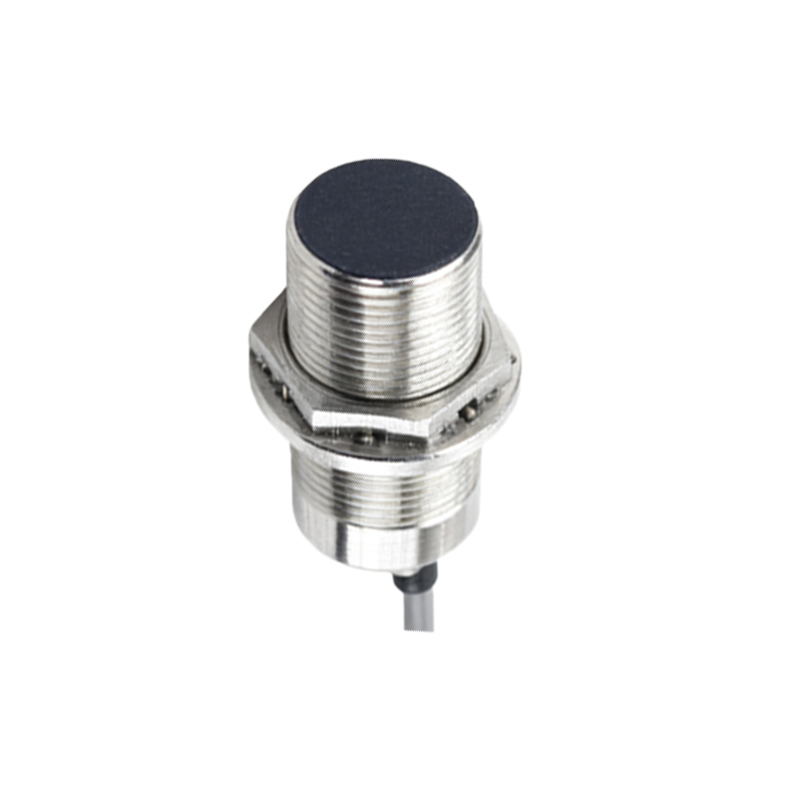
Proximity sensors are integral components in modern electronics, enabling devices to detect the presence or absence of nearby objects without physical contact. Among various types, optical proximity sensors are widely used due to their precision and reliability. The core of their operation lies in light emission principles, which fundamentally rely on the interaction between emitted light and the target object.
At the heart of an optical proximity sensor is a light source, typically an infrared (IR) light-emitting diode (LED). IR light is chosen because it is invisible to the human eye, reducing interference and allowing for discreet operation in devices like smartphones, automatic faucets, and industrial machinery. The LED emits a beam of infrared light outward from the sensor. This emission is controlled by an internal circuit that modulates the light, often pulsing it at specific frequencies to enhance accuracy and minimize the impact of ambient light conditions.
When the IR light strikes an object within the sensor's detection range, it reflects off the surface. The amount and pattern of reflection depend on factors such as the object's distance, size, shape, and material properties. For instance, dark or absorbent materials may reflect less light, while shiny surfaces can cause more intense reflections. A photodetector, usually a photodiode or phototransistor, is positioned adjacent to the LED to capture the reflected light. This component converts the incoming light into an electrical signal, with the signal strength proportional to the intensity of the reflected light.
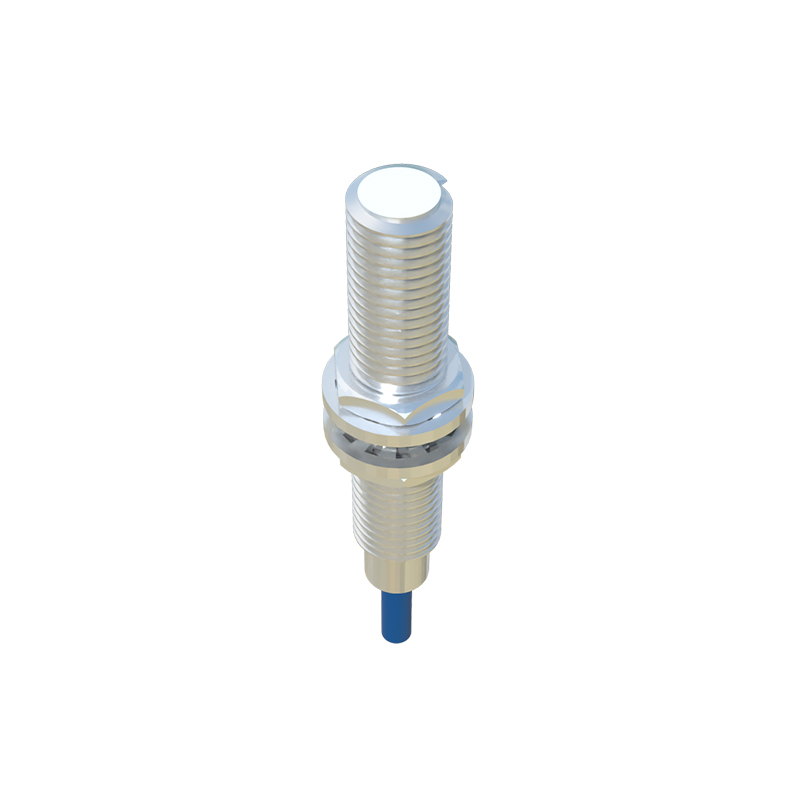
The sensor's processing unit then analyzes this electrical signal to determine the object's proximity. By comparing the emitted light's characteristics—such as its timing and intensity—with the reflected signal, the sensor calculates the distance based on the time-of-flight (ToF) principle or the triangulation method. In ToF sensors, the time delay between emission and reception is measured directly, allowing for precise distance calculations. Alternatively, triangulation-based sensors use the angle of the reflected light to estimate distance, often employed in shorter-range applications.
Key to the emission principle is the modulation of light. By pulsing the IR LED at high frequencies, sensors can filter out background noise from natural or artificial light sources, ensuring reliable detection. This modulation also enables the sensor to operate in various environments, from bright outdoor settings to dim indoor spaces. Additionally, some advanced sensors incorporate multiple LEDs or wavelength variations to improve detection accuracy for different materials and reduce errors caused by environmental factors like dust or humidity.
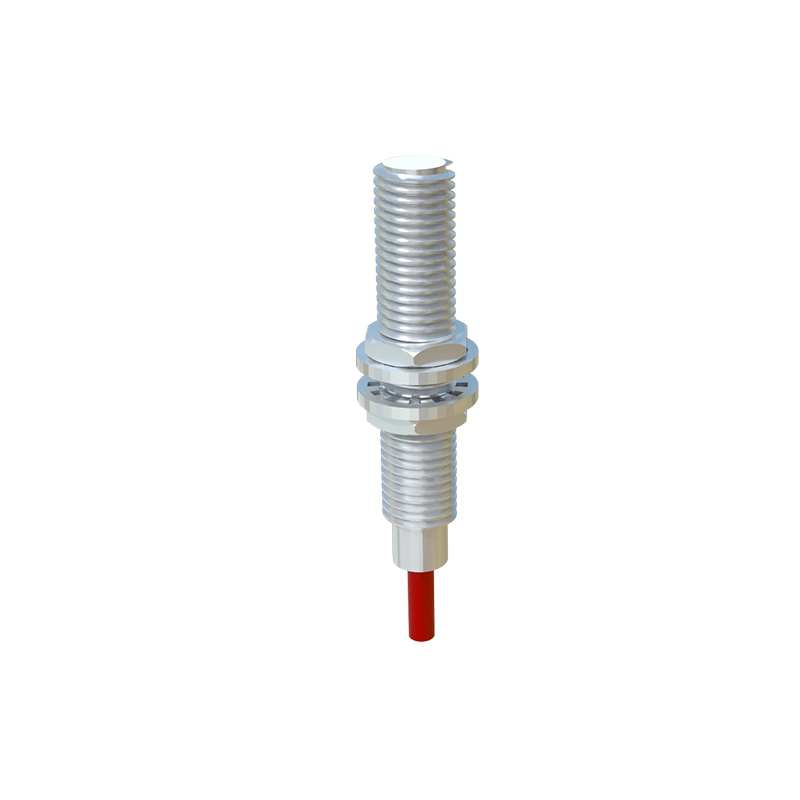
In practice, the light emission principle must balance power consumption and performance. For battery-powered devices, such as smartphones or wearables, sensors are designed to emit light only when necessary, often in brief bursts, to conserve energy. This efficiency is achieved through sophisticated algorithms that trigger emission based on contextual cues, like device movement or user interaction.
Overall, the light emission principle in proximity sensors exemplifies how simple optical phenomena can be harnessed for complex applications. By emitting controlled infrared light and analyzing its reflections, these sensors provide non-contact detection that enhances user experience and automation across industries. As technology evolves, innovations in light sources, such as vertical-cavity surface-emitting lasers (VCSELs), promise even greater precision and efficiency, paving the way for smarter and more responsive systems in the future.