In modern industrial automation, proximity sensor switches play a pivotal role in detecting the presence or absence of objects without physical contact. Among the various innovations in this field, detachable proximity sensor switches have emerged as a significant advancement, offering unparalleled flexibility and maintenance efficiency. These switches are engineered with modular components that allow for easy separation of the sensing head, cable, and amplifier units. This design not only simplifies installation and replacement but also reduces downtime during troubleshooting.
The core principle of detachable proximity sensors lies in their ability to maintain reliable detection while enabling quick disassembly. Typically, these sensors utilize inductive, capacitive, or magnetic sensing technologies, tailored to specific industrial environments such as manufacturing lines, packaging systems, or robotic arms. The detachable feature is particularly beneficial in harsh conditions where sensors are exposed to dust, moisture, or mechanical stress. For instance, in automotive assembly plants, a damaged sensing head can be swiftly replaced without rewiring the entire system, saving both time and labor costs.
From an engineering perspective, the design of detachable proximity switches emphasizes robust connectivity and signal integrity. Manufacturers often incorporate secure locking mechanisms and sealed connectors to prevent accidental disconnections and ensure resistance to environmental factors. This enhances the sensor's durability and extends its operational lifespan. Additionally, the modularity supports scalability; users can easily upgrade individual components, such as switching to a longer-range sensing head, without investing in a completely new sensor unit.
Maintenance protocols for these switches are streamlined due to their detachable nature. Technicians can perform routine checks or calibrations by isolating specific parts, minimizing disruption to production processes. Moreover, many detachable proximity sensors come with diagnostic indicators, such as LED status lights, that facilitate real-time monitoring and fault detection. This proactive approach to maintenance aligns with Industry 4.0 trends, where smart sensors contribute to predictive analytics and overall equipment effectiveness (OEE) improvements.
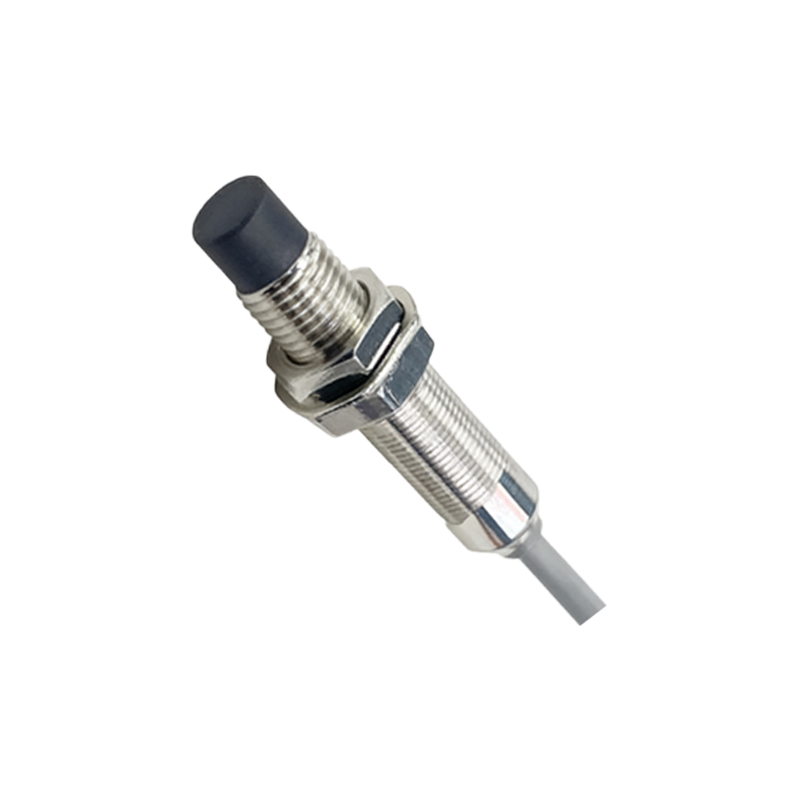
In terms of applications, detachable proximity sensor switches are versatile across diverse sectors. In the food and beverage industry, for example, stainless steel variants with detachable designs allow for easy cleaning and sanitation compliance. In logistics and warehousing, they enable precise object detection on conveyor belts, with quick adjustments for varying package sizes. The adaptability of these sensors also supports custom configurations, where users can mix and match components based on specific operational needs, such as high-temperature resistance or enhanced sensitivity.
Despite their advantages, it is crucial to select detachable proximity switches based on technical specifications like sensing distance, output type (e.g., NPN or PNP), and environmental ratings. Proper installation and regular inspection of connectors are essential to prevent signal loss or misalignment. As industries increasingly prioritize efficiency and sustainability, the demand for modular sensor solutions is expected to grow, driving further innovations in detachable designs.
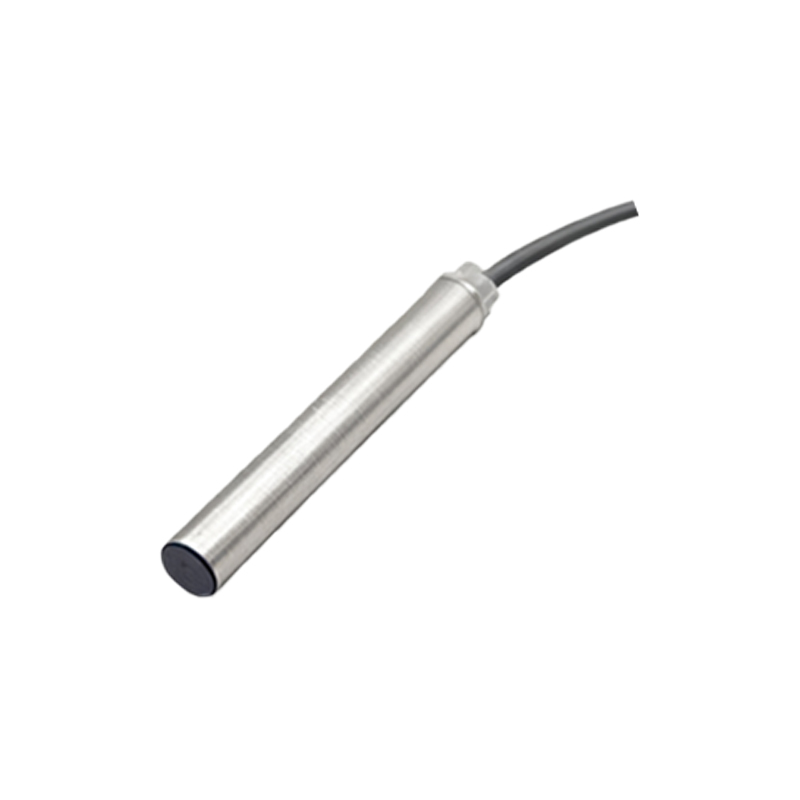
Overall, detachable proximity sensor switches represent a forward-thinking solution in industrial automation, balancing performance with practicality. By enabling easier maintenance, reducing costs, and enhancing system adaptability, they empower engineers to build more resilient and flexible automation setups. As technology evolves, these switches will likely integrate more smart features, solidifying their role in the future of connected industrial ecosystems.