In the dynamic landscape of industrial automation and smart manufacturing, the demand for precise, reliable, and application-specific sensing solutions is paramount. Among these, proximity sensors, particularly those designed for distance measurement, are critical components. While off-the-shelf sensors serve many purposes, there is a growing and compelling case for the bulk customization of these devices. This article delves into the technical considerations, benefits, and strategic implementation of ordering custom proximity sensors in large quantities.
The primary driver for bulk customization is the need for perfect alignment with a specific operational environment and task. Standard sensors are engineered for general use, but industrial applications often present unique challenges. These can include extreme temperatures, high-pressure washdowns, exposure to corrosive chemicals, intense electromagnetic interference (EMI), or the need to detect non-standard materials. A custom-designed proximity sensor can be built with specialized housings—from stainless steel to specialized polymers—and sealed to specific IP (Ingress Protection) or NEMA ratings to withstand these harsh conditions. Furthermore, the sensing technology itself—whether inductive, capacitive, ultrasonic, or photoelectric—can be fine-tuned. For instance, the sensing range, response time, output signal type (PNP/NPN, analog, IO-Link), and even the connector type can be specified to integrate seamlessly into existing machinery and control systems, reducing installation complexity and potential points of failure.
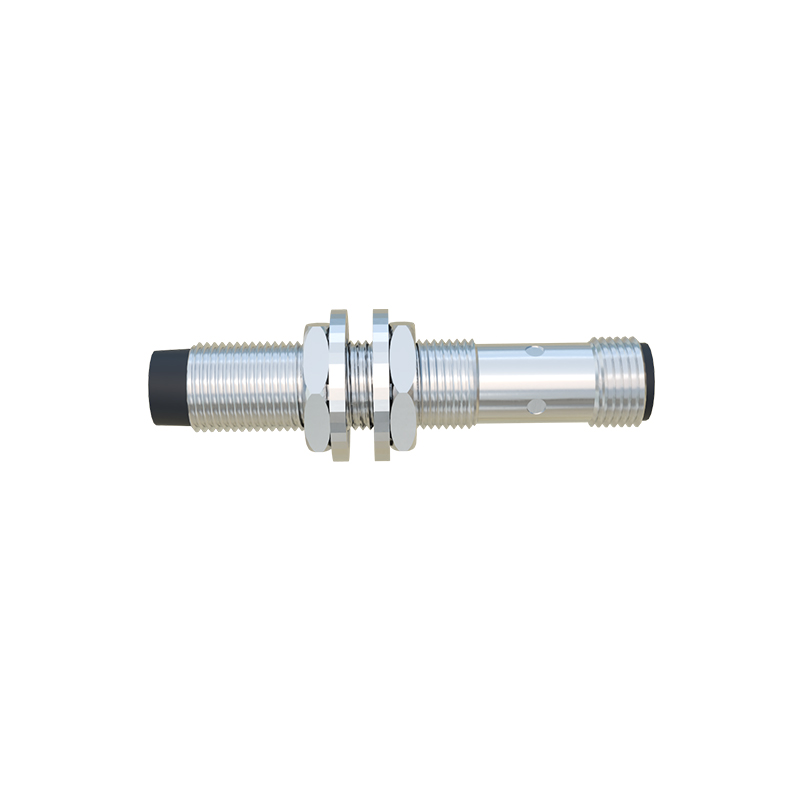
From an economic and operational standpoint, bulk customization offers significant advantages beyond mere suitability. Ordering in large volumes typically results in substantial unit cost reductions due to economies of scale in manufacturing. More importantly, it leads to long-term savings by enhancing system reliability. A sensor that is precisely matched to its application will have a lower failure rate, reducing costly downtime, maintenance interventions, and replacement part inventories. It also optimizes performance; a sensor with an exactly calibrated range for a specific distance measurement task improves process accuracy, reduces waste, and ensures consistent product quality. This level of integration is a key step towards building more efficient and resilient production lines.
The process of successful bulk customization is collaborative and iterative. It begins with a clear, detailed specification document from the client. This document should outline not just the electrical and mechanical requirements, but also the complete application context: the target object material, size, and required detection distance; the environmental conditions (temperature, humidity, contaminants); the required mounting configuration; and the expected lifecycle. Reputable sensor manufacturers employ teams of application engineers who work closely with clients to review these specifications, suggest optimizations, and often provide prototypes for testing and validation. This phase is crucial to iron out any unforeseen issues before full-scale production commits.
Another critical aspect often addressed in customization is supply chain security. By establishing a long-term partnership with a manufacturer for a custom part, companies can secure a stable supply of a critical component. This mitigates the risk associated with the discontinuation of standard parts or global supply chain disruptions. The manufacturer can schedule production runs to align with the client's forecasted needs, ensuring just-in-time delivery and smoother inventory management.
In conclusion, the move towards bulk customization of distance-measuring proximity sensors is a strategic decision that aligns with the broader trends of Industry 4.0 and tailored automation solutions. It transcends a simple procurement exercise, becoming an investment in operational excellence. By collaborating with an experienced engineering partner to develop sensors that are not just purchased but specifically engineered for the task, industries can achieve higher levels of precision, durability, and cost-efficiency. In a competitive market, the reliability of every component matters, and a custom sensor is a powerful tool to build that foundational reliability directly into the hardware of your operation.