Laser sensors are critical components in modern industrial automation, providing precise, non-contact measurement and detection. However, wire breakage remains a common and disruptive failure mode that can lead to costly downtime and compromised system integrity. This article delves into the technical aspects of laser sensor wire breakage, exploring its root causes, methods for detection and diagnosis, and best practices for prevention.
The primary causes of wire breakage in laser sensor cabling are multifaceted, often stemming from mechanical stress, environmental factors, and installation errors. Continuous flexing, vibration, and tension are leading mechanical culprits. In dynamic applications, such as on robotic arms or moving gantries, cables are subjected to repetitive bending and twisting. Over time, this cyclic stress fatigues the copper conductors and insulation, eventually leading to fracture. Improper strain relief at cable entry points accelerates this process, concentrating stress on a small section of the wire. Environmental exposure is another significant factor. Extreme temperatures can cause insulation to become brittle and crack, while exposure to oils, coolants, or corrosive chemicals can degrade both insulation and conductor materials. Furthermore, physical damage from crushing, pinching, or abrasion against sharp edges or other equipment can immediately sever or gradually wear through the cable.
Detecting a wire break is not always straightforward. The symptoms can range from complete signal loss to intermittent, erratic sensor behavior. A complete break in the power or ground lines will typically cause the sensor to shut down entirely, indicated by a loss of indicator lights. A break in the signal output line, however, may result in a frozen or default output signal that does not change regardless of the target's presence. Intermittent breaks are particularly troublesome, causing sporadic faults that are difficult to replicate and diagnose. These often manifest as flickering outputs or unexplained error codes.
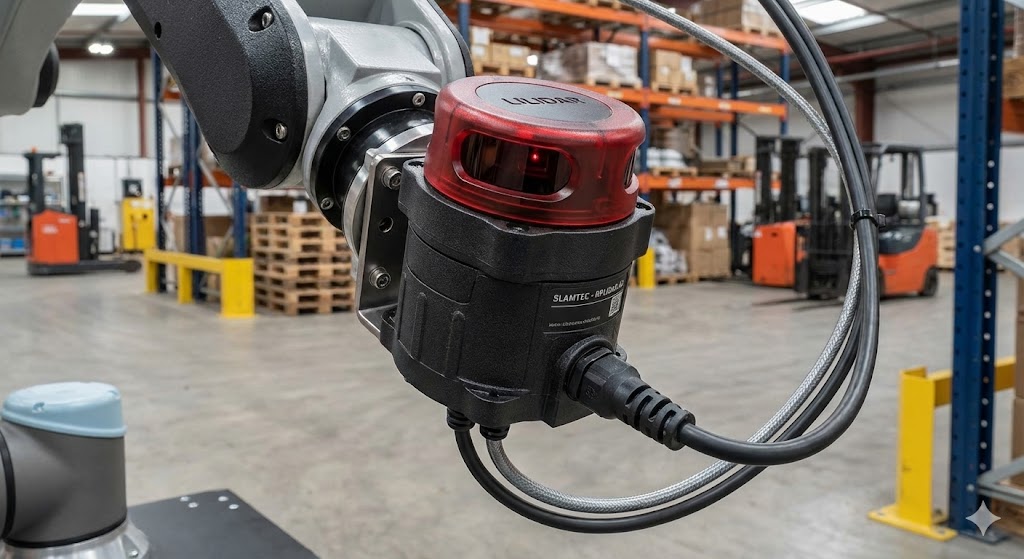
Effective diagnosis requires a systematic approach. Initial troubleshooting should involve a visual inspection of the entire cable length, connectors, and strain reliefs for obvious damage, kinks, or exposed wires. Next, using a digital multimeter, technicians can perform continuity tests on each wire within the cable harness. Resistance should be very low (near zero ohms) for a continuous conductor; an open circuit (infinite resistance) confirms a break. For intermittent faults, gently flexing the cable along its length while monitoring resistance can help localize the break point. More advanced diagnostic tools include Time-Domain Reflectometers (TDR), which send a pulse down the cable and analyze the reflected signal to pinpoint the exact distance to a break or impedance discontinuity.
Prevention is undoubtedly the most cost-effective strategy. It begins with proper cable selection. Choose cables specifically rated for continuous flexing if used in dynamic applications; these feature finely stranded conductors and specialized insulation. For harsh environments, specify cables with robust jacketing materials like polyurethane (PUR) or thermoplastic elastomer (TPE) that offer resistance to oils, chemicals, and abrasion. Correct installation is paramount. Adhere strictly to the sensor manufacturer's specified minimum bending radius—never bend cables tighter than this radius, as it crushes internal components. Implement adequate strain relief using clamps or cable glands to absorb mechanical forces before they reach the electrical terminations. Use cable carriers (e.g., drag chains) to guide and protect cables in high-motion axes, ensuring smooth, controlled bending. Route cables away from heat sources, sharp edges, and moving parts. Finally, implementing a routine preventive maintenance schedule to inspect cables for early signs of wear, such as cracking insulation or stiffening, can allow for replacement before a catastrophic failure occurs.
In conclusion, while laser sensor wire breakage is a prevalent issue, a deep understanding of its causes coupled with rigorous diagnostic procedures and proactive prevention measures can significantly enhance system reliability. By investing in high-quality cabling, adhering to sound installation practices, and performing regular inspections, engineers and maintenance personnel can minimize unplanned downtime and ensure the long-term, accurate operation of these vital sensing systems.