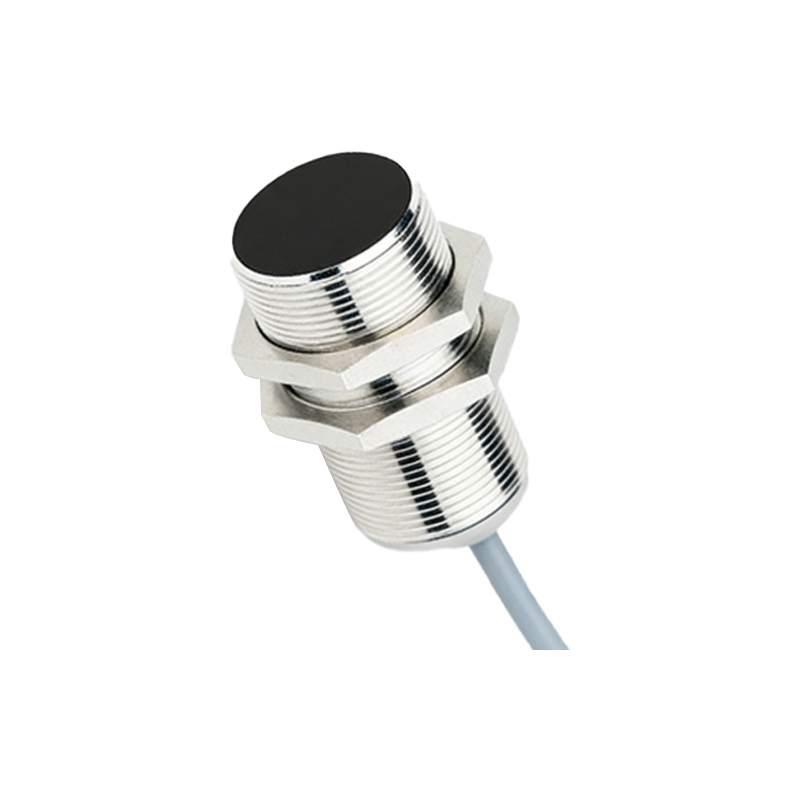
In the realm of industrial automation and control systems, proximity sensors are indispensable components for non-contact detection of objects. Hemo, as a reputable manufacturer in the sensor technology field, offers a comprehensive range of proximity sensor models designed to meet diverse application demands. This article provides an in-depth look at Hemo's proximity sensor lineup, focusing on key models, their technical specifications, and practical application scenarios.
Hemo proximity sensors are primarily categorized based on their sensing principles: inductive, capacitive, and magnetic. Inductive sensors, such as the Hemo IPS series, are engineered to detect metallic objects. They operate by generating an electromagnetic field. When a metal target enters this field, it induces eddy currents, causing a change in the oscillator's amplitude. This change is detected by the sensor's circuitry, triggering an output signal. The IPS series is renowned for its high switching frequency and robustness in harsh industrial environments, making it ideal for applications like position sensing in conveyor systems, machine tool automation, and robotic end-effector control.
For non-metallic material detection, Hemo's capacitive proximity sensors, like the Hemo CPS series, are the preferred choice. These sensors can detect a wide variety of materials including liquids, plastics, wood, and granular substances. They function by measuring changes in capacitance between the sensor's active surface and the target object. The CPS models often feature adjustable sensitivity, allowing users to fine-tune the sensing range to avoid false triggers from background materials. Common applications include level detection in tanks or silos, presence detection of plastic or glass bottles on packaging lines, and moisture content monitoring.
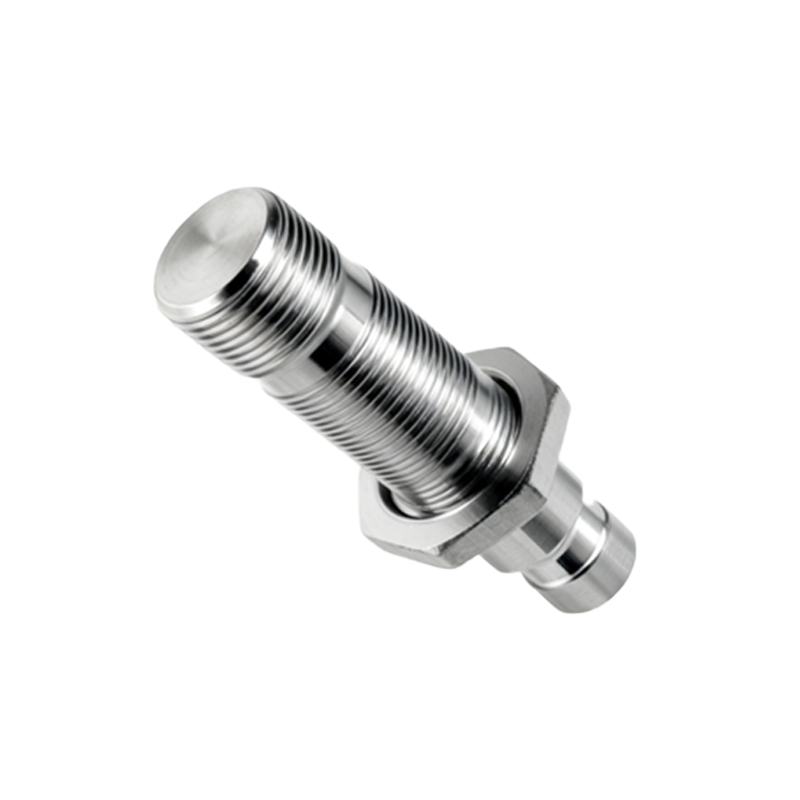
In environments requiring precise position feedback of moving parts, especially in hydraulic or pneumatic cylinders, Hemo's magnetic proximity sensors (e.g., the Hemo MPS series) excel. These sensors detect the presence of a permanent magnet, typically embedded in a cylinder's piston. They offer exceptional reliability and long operational life due to their wear-free, non-contact operation. Key features include short-circuit and reverse polarity protection, making them suitable for mobile hydraulics, factory automation, and valve position feedback.
When selecting a Hemo proximity sensor, several critical parameters must be considered. The sensing distance, or nominal range, is fundamental and varies between models. Environmental factors are equally crucial; many Hemo sensors boast high IP (Ingress Protection) ratings (e.g., IP67, IP69K), ensuring resistance to dust, water jets, and washdowns, which is vital for food processing or pharmaceutical applications. The housing material, typically nickel-plated brass, stainless steel, or PBT plastic, is selected for chemical resistance and mechanical durability. Output configurations include NPN, PNP, analog, or IO-Link versions, providing flexibility for integration with different PLC (Programmable Logic Controller) systems.
Electrical characteristics such as supply voltage range (commonly 10-30V DC), output current, and switching frequency directly impact system performance. For high-speed applications, such as counting small parts on a high-velocity conveyor, a sensor with a high switching frequency (e.g., 5 kHz) from the Hemo HPS (High-Performance Series) is necessary to ensure no pulses are missed.
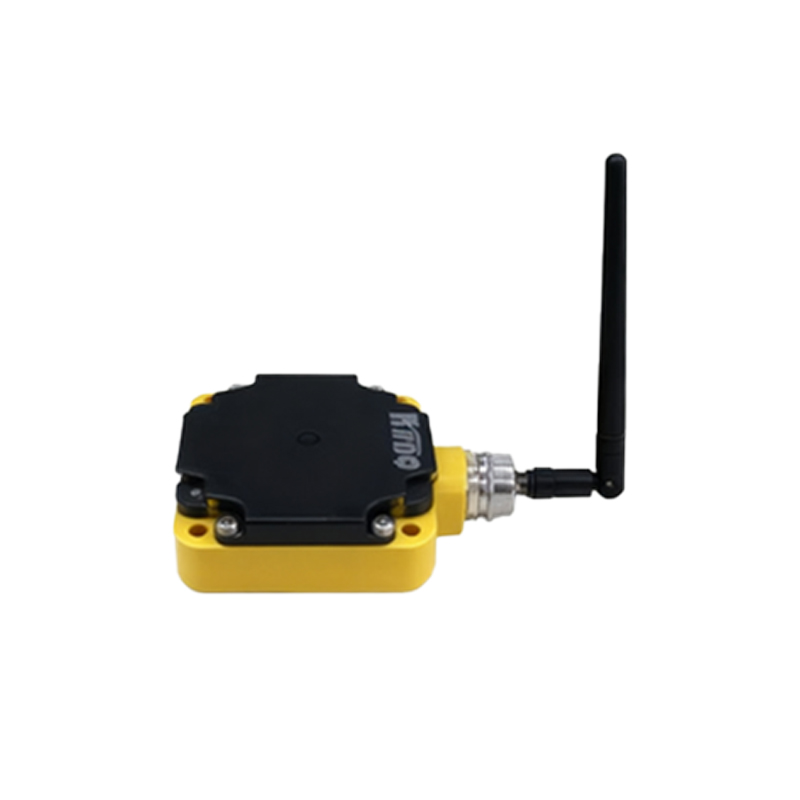
Installation and wiring are straightforward with Hemo sensors. Most models feature LED status indicators for easy diagnostics. Proper mounting is essential to achieve the stated sensing distance; flush-mounted sensors can be installed without a lateral clearance, whereas non-flush models require space around the sensing face. Users must also account for temperature operating ranges, especially in extreme conditions like foundries or cold storage facilities.
In conclusion, Hemo's portfolio of proximity sensors provides reliable and precise solutions for countless automation challenges. From the rugged IPS inductive sensors for metal detection to the versatile CPS capacitive models and the specialized MPS magnetic sensors, engineers can find a tailored solution. Understanding the specific requirements of the application—target material, required sensing distance, environmental conditions, and electrical interface—is key to selecting the optimal Hemo sensor model, thereby ensuring enhanced system efficiency, safety, and longevity.