In the realm of industrial automation and control systems, proximity switches and speed sensors stand as fundamental components that drive efficiency, safety, and precision. These devices, though often operating behind the scenes, are critical for monitoring and controlling machinery in diverse sectors such as manufacturing, automotive, aerospace, and robotics. Understanding their principles, types, and applications can help engineers optimize system performance and ensure reliable operations.
Proximity switches, also known as proximity sensors, are non-contact devices that detect the presence or absence of an object within a specified range without physical contact. They work based on various physical principles, including electromagnetic, capacitive, and inductive technologies. Inductive proximity switches, for instance, generate an electromagnetic field to detect metallic objects, making them ideal for harsh environments where dust, oil, or moisture is present. Capacitive variants can sense both metallic and non-metallic materials by measuring changes in capacitance, often used in liquid level detection or plastic handling. These switches offer advantages like high durability, fast response times, and minimal maintenance, reducing downtime in production lines. Common applications include position sensing in conveyor systems, object counting in packaging, and safety interlocks to prevent machine accidents.
Speed sensors, on the other hand, are designed to measure the rotational or linear speed of moving parts, providing real-time data for control and monitoring. They come in various forms, such as tachometers, encoders, and Hall-effect sensors. Magnetic speed sensors, for example, use a magnet and coil to generate a voltage proportional to speed, suitable for automotive crankshaft or wheel speed detection. Optical encoders employ light beams to track movement with high resolution, commonly found in CNC machines and robotics for precise positioning. By integrating with control systems like PLCs (Programmable Logic Controllers), speed sensors enable functions like speed regulation, overspeed protection, and synchronization of multiple drives. This is crucial in applications ranging from motor control in industrial fans to monitoring conveyor belt speeds in logistics.
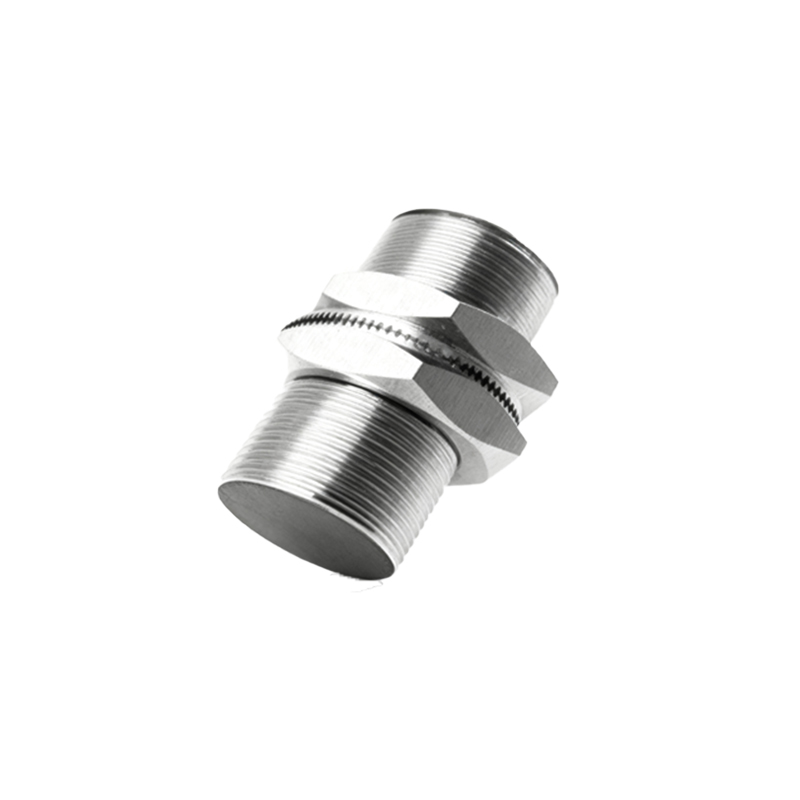
The synergy between proximity switches and speed sensors enhances automation systems significantly. In a typical assembly line, proximity switches might detect the arrival of a component, triggering a speed sensor to measure the conveyor's velocity and adjust it for optimal processing. This integration supports Industry 4.0 initiatives, facilitating data collection for predictive maintenance and IoT (Internet of Things) connectivity. For instance, in automotive manufacturing, these sensors work together to ensure robotic arms place parts accurately while monitoring engine speeds during testing phases.
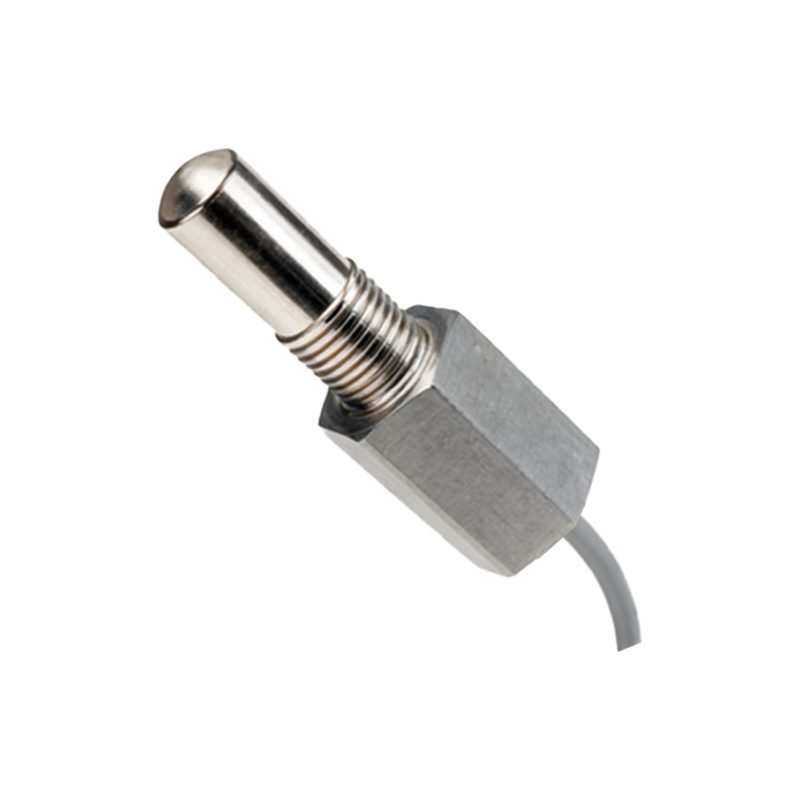
Selecting the right sensor depends on factors like environmental conditions, material properties, required accuracy, and cost. Engineers must consider operating temperatures, exposure to contaminants, and response frequency. For example, in high-vibration settings, ruggedized proximity switches with robust housings are preferred, while in clean rooms, non-invasive optical speed sensors might be chosen. Regular calibration and maintenance are essential to sustain performance, as sensor drift or contamination can lead to errors.
Innovations in sensor technology continue to evolve, with trends toward miniaturization, wireless communication, and smart sensors with embedded diagnostics. These advancements promise greater integration, reduced wiring, and enhanced data analytics capabilities. As industries push for higher automation and efficiency, proximity switches and speed sensors will remain indispensable, forming the backbone of modern control systems.
In summary, proximity switches and speed sensors are vital tools in industrial automation, offering non-contact detection and precise speed measurement. Their applications span from simple presence sensing to complex motion control, contributing to safer, more productive operations. By leveraging these technologies, engineers can build resilient systems that meet the demands of today's dynamic industrial landscape.