In the intricate world of industrial automation and machine safety, the local proximity sensor factory stands as a critical hub of innovation and precision manufacturing. These facilities, often strategically located near key industrial clusters, are dedicated to the design, production, and testing of non-contact sensing devices that form the nervous system of modern machinery. Unlike generic electronics assembly, a specialized proximity sensor plant operates at the intersection of electromagnetism, materials science, and robust industrial design.
The core manufacturing process begins with the meticulous design of the oscillator circuit and sensing coil, the heart of inductive proximity sensors. High-grade ferrite cores are wound with precision copper wire in clean-room environments to ensure consistent electromagnetic characteristics. For capacitive variants, the electrode plating and dielectric material selection are paramount, handled in controlled atmospheres to prevent contamination. The assembly lines are a symphony of automated pick-and-place machines populating printed circuit boards with surface-mount components, followed by selective soldering processes that must adhere to stringent thermal profiles to avoid damaging sensitive semiconductors.
Encapsulation is where durability is forged. Sensor housings, typically machined from stainless steel (e.g., 303, 304, or 316 grades) or nickel-plated brass, are engineered to withstand extreme pressures, temperatures, and chemical exposures. The critical front face, or "sensing face," is often made of a specialized polymer that allows magnetic or electrostatic fields to pass through while providing a hermetic seal. Potting compounds, usually epoxy-based, are injected to protect the internal electronics from shock, vibration, and moisture, creating a solid, resilient block. This process requires precise control of viscosity, cure time, and void elimination.
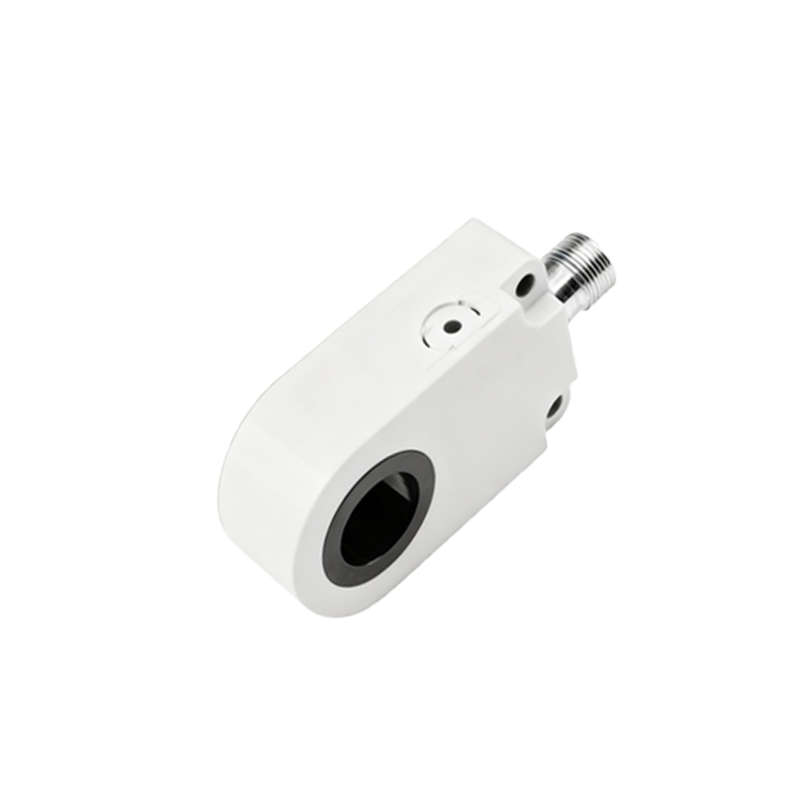
Quality assurance is not a phase but a continuous thread woven throughout production. Every sensor undergoes a battery of tests. Key performance indicators like switching frequency, repeat accuracy, and hysteresis are measured on automated test benches. Environmental stress screening, including thermal cycling from -25°C to 70°C and IP67/IP69K ingress protection tests involving high-pressure water jets and dust chambers, validates the product's ruggedness. Finally, functional testing with standardized target materials (e.g., mild steel for inductive sensors) ensures the rated sensing distance is consistently achieved.
The strategic advantage of a local factory extends beyond mere geography. It enables just-in-time manufacturing and reduces supply chain vulnerabilities. For OEMs and system integrators, local presence facilitates closer collaboration. Engineers from client companies can visit the factory floor to discuss customizations—be it a unique housing shape, a specific cable length and connector, an unusual output configuration (PNP/NPN, NO/NC, analog, or IO-Link), or a requirement for weld-field immunity. This agility allows the factory to produce tailored solutions for niche applications, from food-grade sensors with FDA-compliant seals to heavy-duty models for mining and forestry equipment.
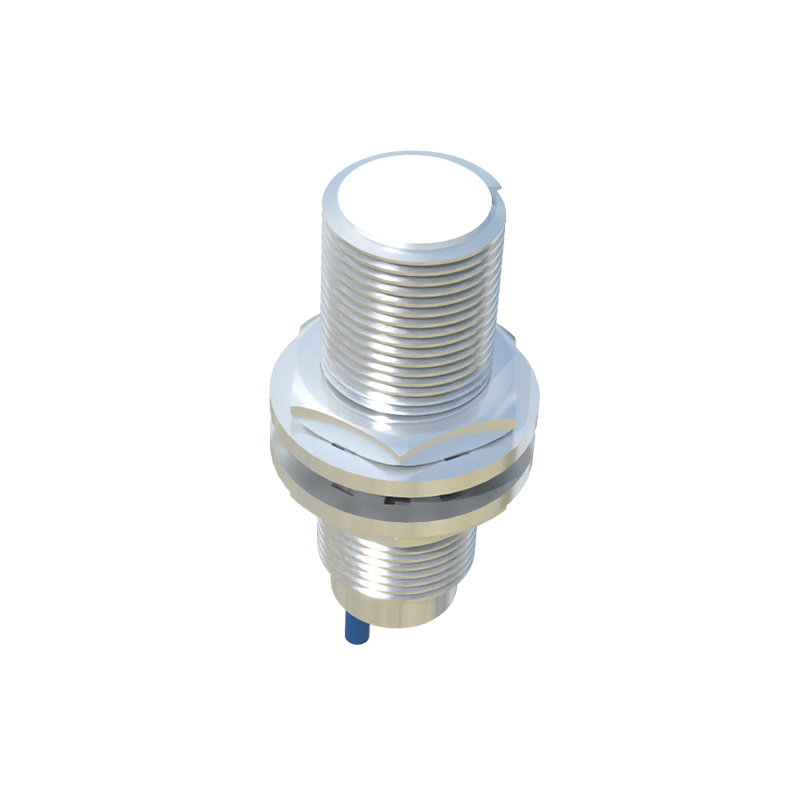
The applications emanating from such a factory are vast. In automotive assembly lines, inductive sensors count gears and detect piston positions with micron-level precision. In packaging machinery, capacitive sensors detect levels of liquids or powders through non-metallic container walls. In material handling, ultrasonic proximity sensors manage pallet stacking heights. The advent of Industry 4.0 has further integrated these devices, with smart sensors featuring embedded diagnostics and digital communication protocols providing predictive maintenance data directly to control systems.
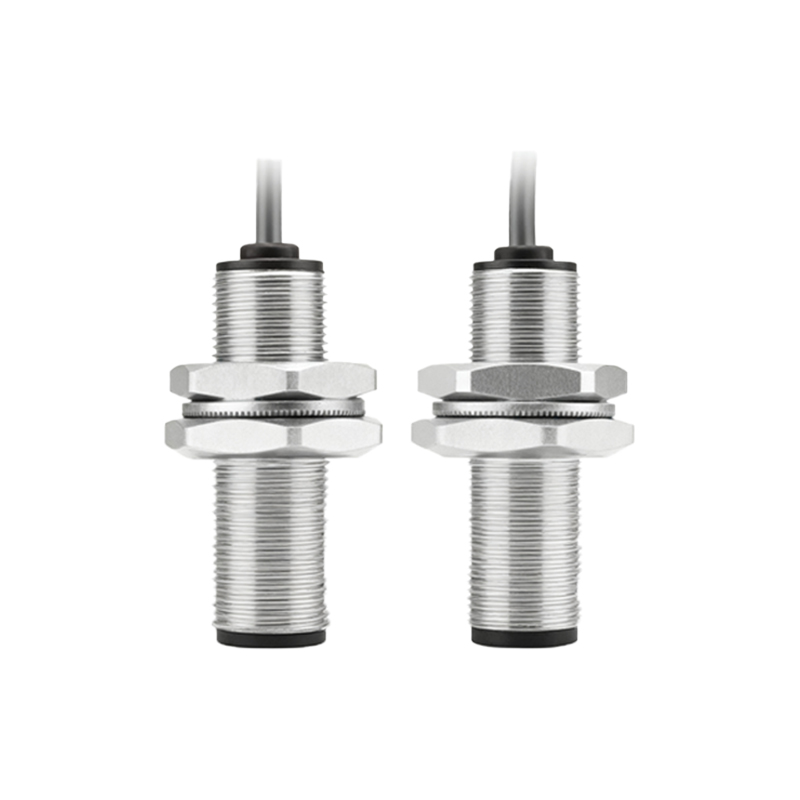
Ultimately, a local proximity sensor factory is more than a production site; it is a center of competency. It combines advanced manufacturing technology with deep application knowledge to produce reliable, high-performance components that enable automation, enhance safety, and drive efficiency across countless industries. Its success hinges on a relentless focus on quality, adaptability to market needs, and a deep understanding of the electromagnetic principles that allow machines to "see" and "feel" their environment without physical contact.