The construction industry has witnessed a transformative shift with the integration of advanced measurement technologies, among which laser distance sensors have emerged as a cornerstone tool. These devices, utilizing laser beams to calculate distances with exceptional precision, are redefining accuracy, efficiency, and safety standards on job sites globally. Unlike traditional tape measures or ultrasonic sensors, laser distance sensors offer non-contact measurement capabilities, delivering rapid and reliable data even in challenging environments characterized by dust, varying light conditions, or complex geometries.
Fundamentally, laser distance sensors operate on the principle of time-of-flight or phase-shift measurement. In the time-of-flight method, the sensor emits a laser pulse towards a target surface and calculates the distance based on the time taken for the reflected light to return. This method is highly effective for long-range measurements, often exceeding hundreds of meters, making it ideal for large-scale civil engineering projects such as bridge construction, tunnel alignment, and topographic surveying. Conversely, phase-shift sensors modulate the laser beam's intensity and measure the phase difference between the emitted and reflected signals. This technique provides superior accuracy at shorter ranges, typically within a few millimeters, which is crucial for interior finishing, installation of building components, and precision machining in prefabrication facilities.
In practical construction applications, the versatility of laser distance sensors is unparalleled. During the initial layout and site preparation phase, these sensors enable surveyors to quickly map terrain, establish grade levels, and verify boundary lines with minimal human error. For structural erection, whether for steel frames or concrete formwork, laser sensors ensure components are positioned correctly according to design specifications, thereby preventing costly rework and structural compromises. In building information modeling (BIM) workflows, laser scanners—which employ arrays of distance sensors—create detailed as-built point clouds. These digital twins facilitate clash detection, progress monitoring, and renovation planning by providing an accurate, three-dimensional representation of the structure.
Moreover, laser distance sensors enhance operational safety by reducing the need for personnel to access hazardous areas for manual measurements. For instance, in excavation sites or unstable structures, workers can assess distances, monitor deformations, or calculate volumes from a safe vantage point. The integration of these sensors with robotic total stations and automated machinery further propels the industry toward automation. Robotic excavators and bricklaying machines, guided by real-time laser measurement data, can perform repetitive tasks with consistent precision, accelerating project timelines and mitigating labor shortages.
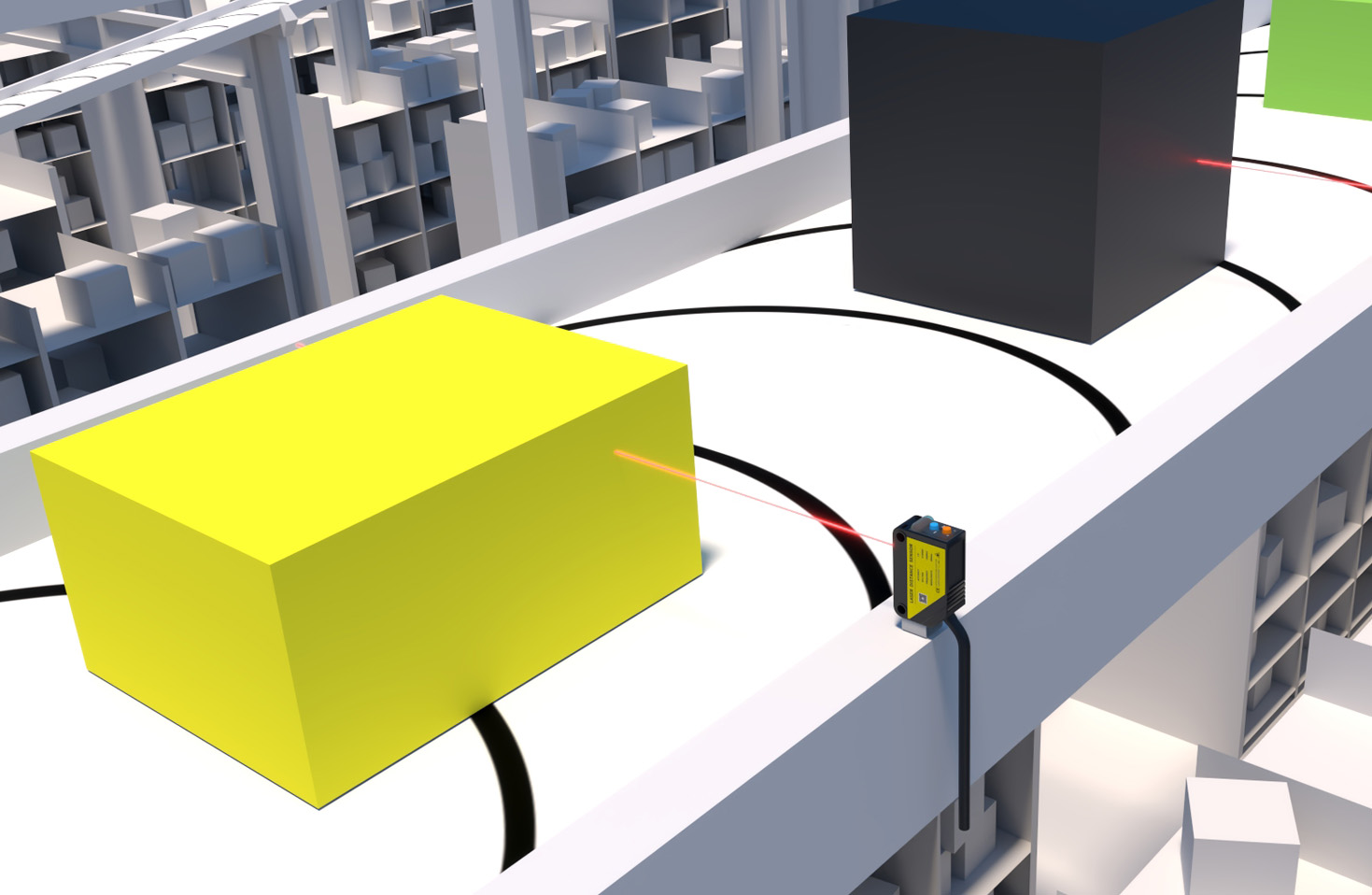
Despite their advantages, the deployment of laser distance sensors in construction is not without challenges. Environmental factors such as heavy rain, fog, or highly reflective surfaces can occasionally interfere with laser signals, necessitating complementary technologies or operational adjustments. Additionally, the initial investment in high-end laser equipment and the training required for proficient use can be barriers for smaller firms. However, the long-term benefits—including reduced material waste, enhanced quality control, and improved documentation—often justify the costs, leading to a compelling return on investment.
Looking ahead, the evolution of laser distance sensing technology is poised to integrate more deeply with the Internet of Things (IoT) and artificial intelligence (AI). Smart sensors equipped with wireless connectivity can transmit measurement data directly to cloud-based platforms, where AI algorithms analyze trends, predict potential issues, and optimize construction processes autonomously. This convergence will likely give rise to fully intelligent construction sites, where laser measurement systems continuously monitor structural health, track inventory, and guide autonomous vehicles in real time.
In conclusion, laser distance sensors have become indispensable instruments in modern construction, driving advancements in precision, productivity, and safety. As technology continues to advance, their role will expand, further bridging the gap between digital design and physical execution. For industry professionals, embracing these tools is not merely an option but a strategic imperative to remain competitive in an era where accuracy and efficiency are paramount. The future of construction is being measured, quite literally, by the beam of a laser.