In the realm of industrial automation and precision machining, proximity sensors have emerged as indispensable components, particularly within cutting machine systems. These non-contact sensing devices play a pivotal role in ensuring operational accuracy, enhancing safety protocols, and optimizing production efficiency. This article delves into the technical intricacies, applications, and selection criteria for proximity sensors in cutting machinery, tailored for electrical engineers and industry professionals.
Proximity sensors are electronic devices designed to detect the presence or absence of an object within a specific range without physical contact. In cutting machines—such as laser cutters, plasma cutters, waterjet cutters, and CNC milling machines—they are primarily utilized for position sensing, object detection, and limit switching. The fundamental principle involves generating an electromagnetic field or a beam of radiation; when a target object intrudes this field, it causes a change in the sensor's output signal. Common types employed in cutting applications include inductive sensors (for detecting metallic objects), capacitive sensors (for non-metallic materials), and photoelectric sensors (for precise distance measurement).
The integration of proximity sensors into cutting machines significantly elevates precision. For instance, in CNC routing, sensors provide real-time feedback on tool position, enabling automatic tool length measurement and compensation for wear. This minimizes dimensional inaccuracies and reduces material waste. In laser cutting systems, sensors can detect the exact height of the workpiece surface, allowing dynamic focal point adjustment to maintain optimal cutting quality across uneven materials. Such capabilities are crucial for industries demanding high tolerances, such as aerospace, automotive, and medical device manufacturing.
Safety is another paramount concern addressed by these sensors. Cutting machines operate at high speeds and involve hazardous processes. Proximity sensors contribute to safeguarding operators and equipment by implementing features like collision avoidance, door interlocking, and emergency stop triggering. For example, a capacitive sensor can detect human proximity to a dangerous zone and halt machine operation instantly, preventing potential injuries. Additionally, sensors monitor critical parameters like coolant levels or belt tension, alerting operators to malfunctions before they escalate into costly breakdowns or accidents.
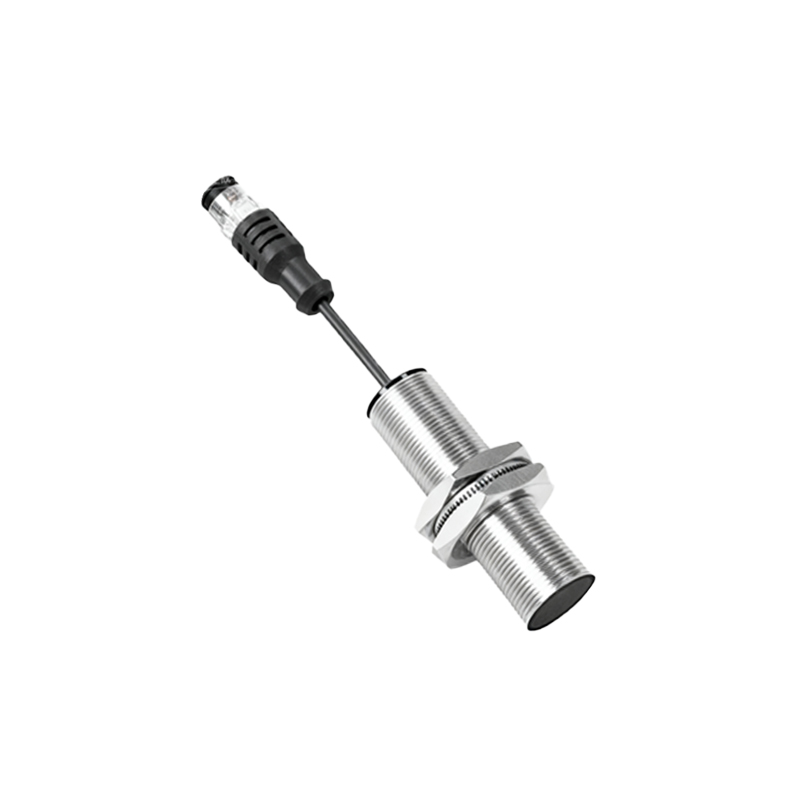
When selecting a proximity sensor for a cutting machine, several technical factors must be considered. Sensing range, response time, environmental robustness, and output type are key determinants. In harsh industrial environments typical of cutting operations—filled with dust, coolant mist, metal shavings, and electromagnetic interference—sensors with high ingress protection (IP) ratings (e.g., IP67 or IP69K) and robust housing (often stainless steel) are essential. Response time must be swift enough to keep pace with high-speed cutting cycles; modern sensors offer response frequencies up to several kilohertz. Output configurations, including NPN/PNP transistors or analog outputs (4-20 mA, 0-10 V), should align with the machine's control system, typically a PLC or dedicated CNC controller.
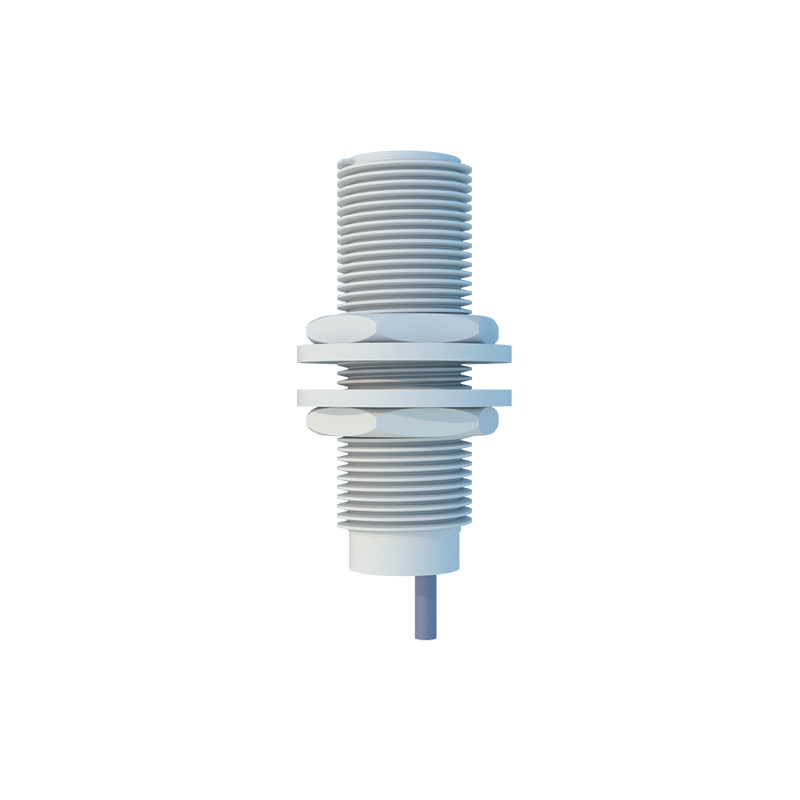
Installation and maintenance practices also influence sensor performance. Proper mounting, alignment, and shielding from adjacent metallic structures prevent false triggering. Regular calibration and cleaning of sensor faces ensure consistent detection reliability. With the advent of Industry 4.0, smart sensors equipped with IO-Link or Ethernet connectivity enable predictive maintenance by transmitting diagnostic data, such as operating hours or signal strength deviations, to supervisory systems, thereby minimizing unplanned downtime.
In conclusion, proximity sensors are vital for the modern cutting machine, driving advancements in precision, safety, and operational intelligence. As cutting technologies evolve toward greater automation and flexibility, the role of these sensors will only expand, incorporating more sophisticated features like multi-parameter sensing and AI-driven adaptive control. For engineers, staying abreast of sensor innovations and their integration methodologies is key to designing and maintaining cutting-edge, efficient, and safe industrial cutting systems.