In industrial automation and precision measurement systems, laser sensors play a critical role in ensuring accuracy, reliability, and efficiency. However, contamination such as dust, oil, grease, or debris on sensor surfaces can significantly degrade performance, leading to measurement errors, false triggers, or even system failures. Regular and proper cleaning is essential to maintain sensor functionality and extend its operational lifespan. This article outlines professional cleaning methods tailored for laser sensors, emphasizing safety, compatibility, and effectiveness.
Before initiating any cleaning procedure, always refer to the manufacturer’s guidelines. Power down the sensor and disconnect it from the electrical supply to prevent electrical hazards or accidental activation. Allow the sensor to cool if it has been operating in high-temperature environments. Wear appropriate personal protective equipment (PPE), such as gloves and safety glasses, especially when handling cleaning solvents.
The first step is dry cleaning, suitable for removing loose particulate matter like dust or lint. Use a clean, dry, lint-free cloth or a specialized static-free wipe. Gently wipe the sensor lens and housing surfaces. Compressed air can be employed to blow away loose debris, but ensure the air source is clean, dry, and oil-free to avoid introducing new contaminants. Hold the air nozzle at a safe distance to prevent physical damage from high pressure. Avoid using abrasive materials or excessive force that could scratch optical components.

For stubborn contaminants like oil, fingerprints, or adhesive residues, a wet cleaning method is necessary. Isopropyl alcohol (IPA) with a concentration of 70% or higher is widely recommended due to its effective cleaning properties, rapid evaporation, and minimal residue. Alternatively, specialized lens cleaning solutions designed for optical surfaces can be used. Apply a small amount of the solvent to a lint-free cloth or a pre-moistened optical wipe—never spray directly onto the sensor. Gently wipe the lens in a circular motion from the center outward. Use a fresh section of the cloth for each pass to avoid redistributing dirt. For recessed or hard-to-reach areas, cotton swabs lightly dampened with solvent can be effective. Ensure no liquid seeps into sensor housing seams or electrical ports.
After wet cleaning, allow the sensor to air-dry completely in a clean environment before re-energizing. Any residual moisture can cause short circuits or attract dust. For sensors in harsh environments with heavy contamination, more frequent cleaning schedules may be required. In such cases, consider installing protective accessories like air purges or protective windows, but ensure they do not interfere with the laser beam’s path or intensity.
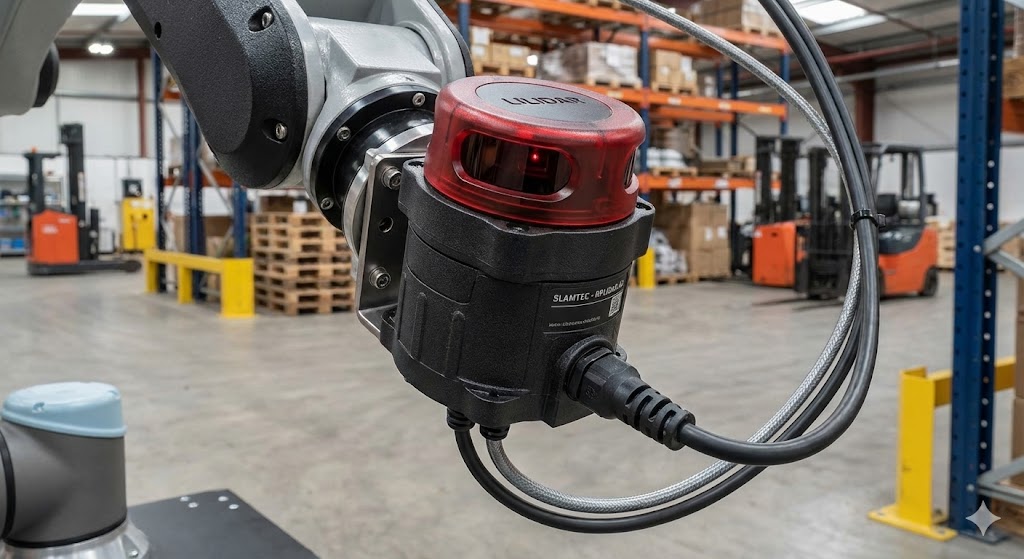
Regular inspection is as crucial as cleaning. Periodically check sensor alignment and output signals post-cleaning to verify performance restoration. Document cleaning activities and any observed issues for maintenance records. Avoid common mistakes such as using household cleaners, paper towels (which can scratch), or acetone (which may damage coatings).
In summary, maintaining laser sensors through systematic cleaning—combining dry and wet techniques with appropriate materials—preserves measurement precision and system integrity. Adhering to safety protocols and manufacturer instructions ensures both equipment longevity and personnel safety, supporting uninterrupted industrial operations.