Proximity sensors are critical components in industrial automation, robotics, and safety systems, providing non-contact detection of objects. However, their accuracy and reliability heavily depend on proper calibration. Calibration ensures that the sensor's output corresponds correctly to the actual distance or presence of a target, minimizing errors and enhancing system performance. This guide outlines the essential steps, methods, and best practices for calibrating proximity sensors effectively.
Understanding the need for calibration is fundamental. Over time, factors like environmental changes, mechanical wear, electrical drift, or material buildup can alter a sensor's response. Without regular calibration, a sensor might trigger too early, too late, or not at all, leading to process inefficiencies, product defects, or even safety hazards. Calibration verifies and adjusts the sensor to maintain its specified sensing range, hysteresis, and repeatability.
Before starting calibration, gather necessary tools: a set of calibration standards (e.g., precision gauge blocks or certified reference targets), a stable mounting fixture, a multimeter or oscilloscope for output measurement, and the sensor's datasheet. Ensure the environment is controlled, minimizing vibrations, temperature fluctuations, and electromagnetic interference. Always follow the manufacturer's instructions, as procedures can vary by sensor type—inductive, capacitive, ultrasonic, or photoelectric.
The basic calibration process typically involves these steps. First, securely mount the sensor and the calibration target. Position the target at the known maximum sensing distance (far point) and record the sensor's output signal (e.g., voltage, current, or digital state). Then, move the target to the minimum sensing distance (near point) and record the output again. Adjust the sensor's potentiometers or settings via software to match these output values to the expected range. Some advanced sensors allow programming of switching points or linearization curves. Repeat the measurements several times to check repeatability, ensuring the sensor consistently detects the target at the same distances.
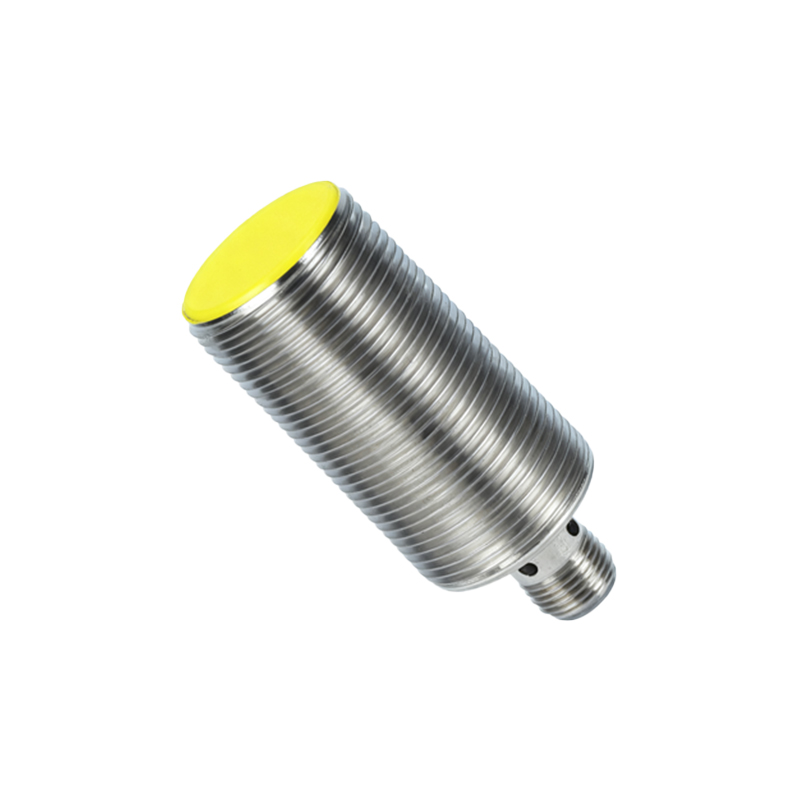
For analog output sensors, calibration often involves mapping the output signal to a precise distance scale. Use multiple calibration points across the sensing range to create a linear or curve-fitted relationship. Digital sensors may require setting threshold levels for ON/OFF states. Always validate the calibration by testing with intermediate distances and different target materials if applicable, as material properties can affect sensing characteristics.
Common challenges include hysteresis effects, where the switch-on and switch-off points differ, and temperature sensitivity. Compensate for hysteresis by calibrating both approaching and retreating target movements. For temperature drift, perform calibration at the typical operating temperature or use sensors with built-in temperature compensation. Document all calibration data—date, environmental conditions, settings, and results—for traceability and maintenance schedules.

Regular recalibration is advised, with frequency depending on usage intensity and environmental stress. Implement a preventive maintenance plan to schedule calibrations, reducing unexpected downtime. Properly calibrated proximity sensors enhance system accuracy, reduce waste, and improve safety, offering a high return on investment through reliable operation.
In summary, proximity sensor calibration is not a one-time task but a vital ongoing process. By following systematic procedures, using appropriate tools, and adhering to maintenance schedules, engineers can ensure their sensing systems operate at peak performance, supporting efficient and safe industrial operations.