In the world of industrial automation and machinery control, precision and reliability are paramount. Among the myriad of components that ensure these qualities, proximity limit switch sensors stand out as fundamental elements. These devices are engineered to detect the presence or absence of an object without any physical contact, triggering a control action when the object reaches a predetermined position—the "limit." Their non-contact nature makes them exceptionally durable, reducing wear and tear and minimizing maintenance needs compared to traditional mechanical limit switches.
At their core, proximity limit switch sensors operate by generating an electromagnetic field or a beam of radiation. When a target object enters this field, it causes a change in the sensor's output state. This change is then converted into an electrical signal that can be used to stop, start, or alter a machine's operation. The primary technologies underpinning these sensors include inductive, capacitive, ultrasonic, and photoelectric principles.
Inductive proximity sensors are perhaps the most common type used for metallic targets. They generate an oscillating electromagnetic field. When a ferrous or non-ferrous metal object enters this field, it induces eddy currents, which dampen the oscillation and trigger the sensor's switch. These sensors are highly reliable for detecting metals and are widely used in applications like CNC machine tool positioning, robotic arm end-stops, and conveyor belt systems.
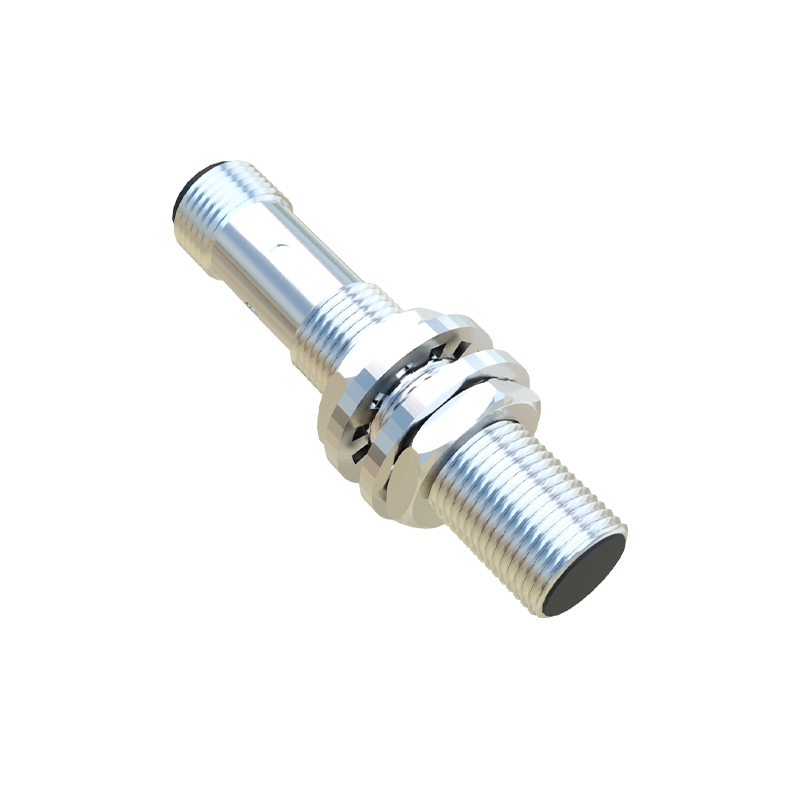
Capacitive proximity sensors, on the other hand, can detect both metallic and non-metallic materials, including liquids, plastics, and wood. They function by measuring changes in capacitance between the sensor and the target. When an object approaches, it alters the dielectric constant of the space between them, changing the capacitance and activating the switch. This makes them ideal for level detection in tanks, material handling of non-metallic goods, and packaging machinery.
Ultrasonic sensors use sound waves beyond the human hearing range. They emit ultrasonic pulses and measure the time it takes for the echo to return from a target object. By calculating this time-of-flight, they can determine the object's presence and distance. These sensors are excellent for challenging environments with dust, smoke, or varying light conditions, and are often employed in automated guided vehicles (AGVs), stack height measurement, and liquid level control.
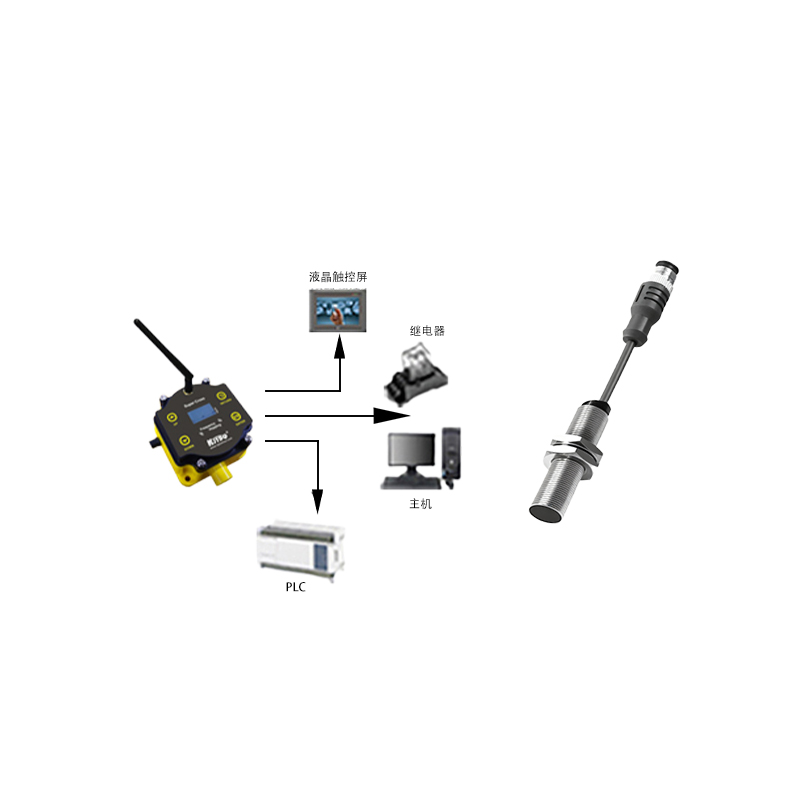
Photoelectric sensors utilize light beams, typically infrared, visible, or laser. A photoelectric proximity limit switch often works on the through-beam or retro-reflective principle, where the presence of an object interrupts the light beam, causing the switch to activate. They offer long sensing ranges and high precision, making them suitable for applications requiring fine detection, such as in semiconductor manufacturing, bottling lines, and automated assembly systems.
Selecting the right proximity limit switch sensor requires careful consideration of several factors. First, identify the target material—metal, plastic, liquid, etc.—as this dictates whether an inductive, capacitive, or other type is needed. Next, consider the sensing distance required; this is the maximum range at which the sensor can reliably detect the object. Environmental conditions are critical; factors like temperature extremes, humidity, dust, oil, or chemical exposure will influence the sensor's housing material and ingress protection (IP) rating. The output type is another key decision; sensors typically provide digital outputs like NPN, PNP, or analog signals, which must be compatible with the existing control system (e.g., PLC). Finally, the mounting style and physical size must fit the mechanical constraints of the application.
Installation and alignment are crucial for optimal performance. Sensors must be securely mounted to avoid vibration-induced errors. For photoelectric and ultrasonic types, ensuring a clear line of sight and proper alignment is essential. Electrical wiring should follow manufacturer guidelines to prevent noise interference, especially in environments with heavy machinery. Regular maintenance, though minimal, involves keeping the sensing face clean and periodically checking for proper operation to prevent unexpected downtime.
The applications of proximity limit switch sensors are vast and integral to modern industry. In automotive manufacturing, they ensure robotic welders and painters operate within safe and precise limits. In packaging, they control the filling levels and position products accurately on conveyor belts. In material handling, they prevent over-travel of cranes and elevators, enhancing safety. Their role in enabling Industry 4.0 and smart factories is growing, as they provide essential data for predictive maintenance and process optimization.
In conclusion, proximity limit switch sensors are indispensable components that bridge the physical and control worlds of automation. By understanding their operating principles, types, and selection criteria, engineers and technicians can implement robust and efficient systems. Their non-contact operation ensures longevity and reliability, making them a smart investment for any application demanding precise positional control and operational safety. As technology advances, these sensors continue to evolve, offering greater intelligence, connectivity, and adaptability to meet the ever-increasing demands of industrial automation.
SEO描述