Small proximity sensors are essential components in modern industrial automation, offering non-contact detection of objects within a specific range. These compact devices are designed to operate reliably in harsh environments, providing precise sensing capabilities without physical contact. The primary types of small proximity sensors include inductive, capacitive, ultrasonic, and magnetic sensors, each with distinct operating principles and applications.
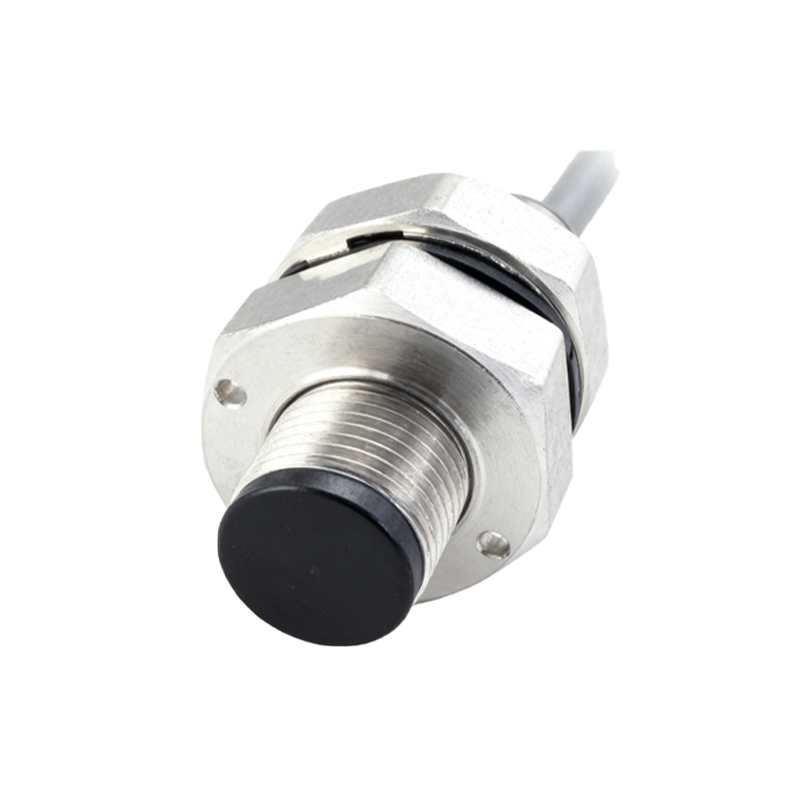
Inductive proximity sensors are widely used for detecting metallic objects. They generate an electromagnetic field and sense changes when a metal target enters the field. These sensors are ideal for applications in machinery, automotive assembly, and metal processing due to their durability and resistance to environmental factors like dust and moisture. Common models include cylindrical and rectangular designs, with sensing distances ranging from a few millimeters to several centimeters.
Capacitive proximity sensors can detect both metallic and non-metallic materials, such as plastics, liquids, or wood. They work by measuring changes in capacitance caused by the presence of an object. This versatility makes them suitable for level detection in tanks, material handling, and packaging industries. Their compact size allows for easy integration into tight spaces, enhancing system flexibility.
Ultrasonic proximity sensors use sound waves to detect objects, regardless of material composition. They emit high-frequency pulses and measure the time taken for echoes to return, calculating distance accurately. These sensors are effective in challenging conditions, including transparent or irregularly shaped objects, and are commonly applied in robotics, conveyor systems, and liquid level monitoring.
Magnetic proximity sensors, including reed switches and Hall effect sensors, respond to magnetic fields. They are often used for position sensing in cylinders, door switches, or safety interlocks. Their small form factor and low power consumption make them ideal for battery-operated devices and precision instrumentation.
When selecting a small proximity sensor, key factors to consider include sensing distance, environmental conditions (e.g., temperature, humidity), output type (e.g., PNP, NPN, analog), and housing material. Proper installation and alignment are crucial for optimal performance, as misplacement can lead to false triggers or reduced accuracy. Regular maintenance, such as cleaning sensing surfaces and checking electrical connections, ensures long-term reliability.
In summary, small proximity sensors play a vital role in enhancing efficiency and safety across various industries. By understanding their types and applications, engineers can implement effective solutions for automation challenges, driving innovation in smart manufacturing and beyond.