Proximity sensors are integral components in modern industrial automation, offering non-contact detection of metallic and non-metallic objects. Among the leading manufacturers, HANGFA has established a reputation for producing reliable and high-performance proximity sensors tailored to diverse industrial needs. This article delves into the technical specifications, operational principles, and practical applications of HANGFA proximity sensors, providing insights for engineers and industry professionals.
HANGFA proximity sensors primarily utilize inductive, capacitive, and magnetic sensing technologies. Inductive sensors are designed to detect metallic objects without physical contact, operating on the principle of electromagnetic induction. When a metal target enters the sensor's electromagnetic field, it induces eddy currents, causing a change in oscillation amplitude. This alteration triggers the sensor's output switch, enabling precise detection. These sensors are ideal for harsh environments, as they are resistant to dust, moisture, and vibrations. Common models include shielded and unshielded types, with sensing ranges varying from a few millimeters to several centimeters.
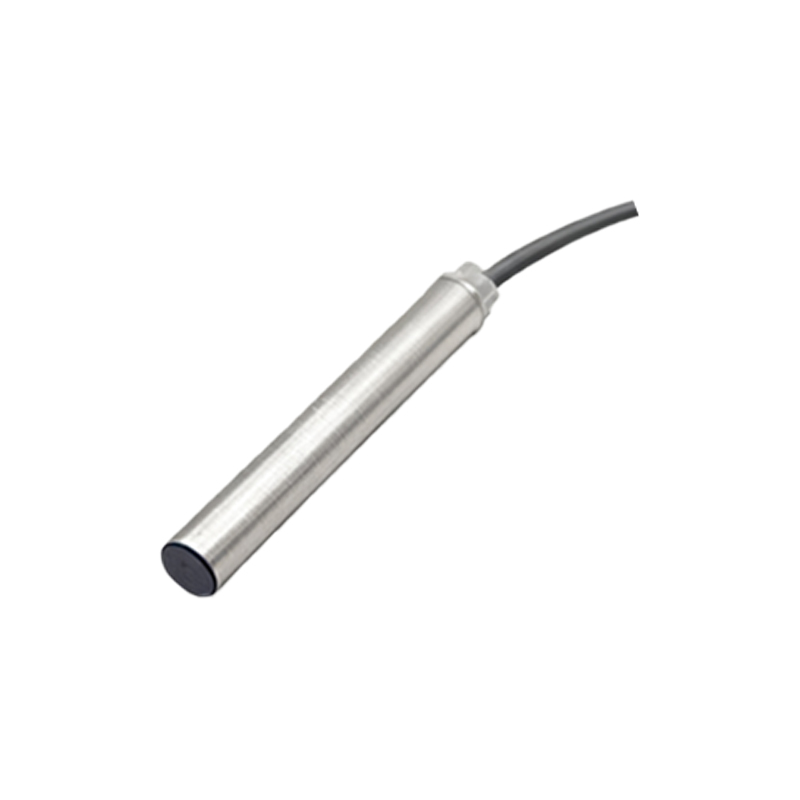
Capacitive proximity sensors from HANGFA can detect both metallic and non-metallic materials, such as liquids, plastics, and wood. They function by measuring changes in capacitance between the sensor and the target object. When an object approaches, the capacitance increases, activating the output. These sensors are particularly useful in applications involving level detection, material handling, and packaging industries. HANGFA's capacitive sensors often feature adjustable sensitivity, allowing customization based on material properties and environmental conditions.
Magnetic proximity sensors, another variant in HANGFA's portfolio, are employed to detect permanent magnets. They rely on reed switches or Hall effect technology, providing robust performance in extreme temperatures and corrosive settings. These sensors are commonly used in automotive, aerospace, and machinery sectors for position sensing and safety interlocks.
Key features of HANGFA proximity sensors include high switching frequency, long operational life, and immunity to electrical noise. Many models comply with international standards like IEC 60947-5-2, ensuring safety and compatibility in global markets. The sensors are constructed with durable materials such as stainless steel or PBT housing, enhancing resistance to mechanical stress and chemical exposure. Additionally, HANGFA offers sensors with various output configurations, including NPN, PNP, and analog outputs, facilitating integration into different control systems like PLCs and microcontrollers.
In industrial applications, HANGFA proximity sensors play a critical role in automation processes. For instance, in conveyor systems, they detect product presence, count items, and monitor speed. In manufacturing lines, they ensure precise positioning of robotic arms and assembly components. The automotive industry relies on these sensors for brake monitoring, gear detection, and engine control. Furthermore, in food and beverage production, HANGFA's washdown-resistant sensors maintain hygiene standards by withstanding frequent cleaning cycles.
Installation and maintenance of HANGFA proximity sensors are straightforward, but best practices should be followed to optimize performance. Engineers should consider factors like sensing distance, target material, and environmental interferences during selection. Regular calibration and inspection help prevent downtime and extend sensor lifespan. HANGFA provides detailed datasheets and technical support to assist with integration challenges.
Looking ahead, advancements in smart sensor technology are influencing HANGFA's product development. Future models may incorporate IoT connectivity for real-time monitoring and predictive maintenance, aligning with Industry 4.0 trends. By combining reliability with innovation, HANGFA continues to support industrial efficiency and safety worldwide.
In summary, HANGFA proximity sensors offer versatile solutions for automated systems, characterized by durability, accuracy, and adaptability. Understanding their technical aspects enables engineers to leverage these tools effectively, driving productivity across sectors from manufacturing to logistics.